Phenolic Laminated Sheets | Grades, Applications & CNC Machining
Explore phenolic laminated sheet grades, NEMA classifications, applications and CNC machining. Find the right phenolic material for industrial insulation.
Classification and Applications of Phenolic Laminated Sheets
Phenolic Laminated Sheets, commonly known as Bakelite, are thermosetting composite materials manufactured by impregnating reinforcing base materials such as paper, cotton fabric, or glass cloth with phenolic resin, followed by curing under high heat and pressure. They feature excellent mechanical strength, outstanding electrical insulation, and superior wear and chemical resistance.
I. Industrial Standards and Fine Classifications (NEMA Standards)
In the global industrial sector, phenolic laminates are classified according to the National Electrical Manufacturers Association (NEMA) standards based on their reinforcing substrates.
1. Paper-Based Phenolic Laminates
Grade X / XX / XXX:
Mechanical and general-purpose grades. Grade X offers high mechanical strength with moderate electrical properties; Grade XX provides a balanced combination of mechanical and electrical properties; Grade XXX offers very low water absorption and excellent electrical insulation performance.
Grade XP / XPC / XXP:
Punching grades optimized for improved workability. These materials are suitable for punching and forming insulation components, including washers and other complex shapes, with reduced risk of cracking.
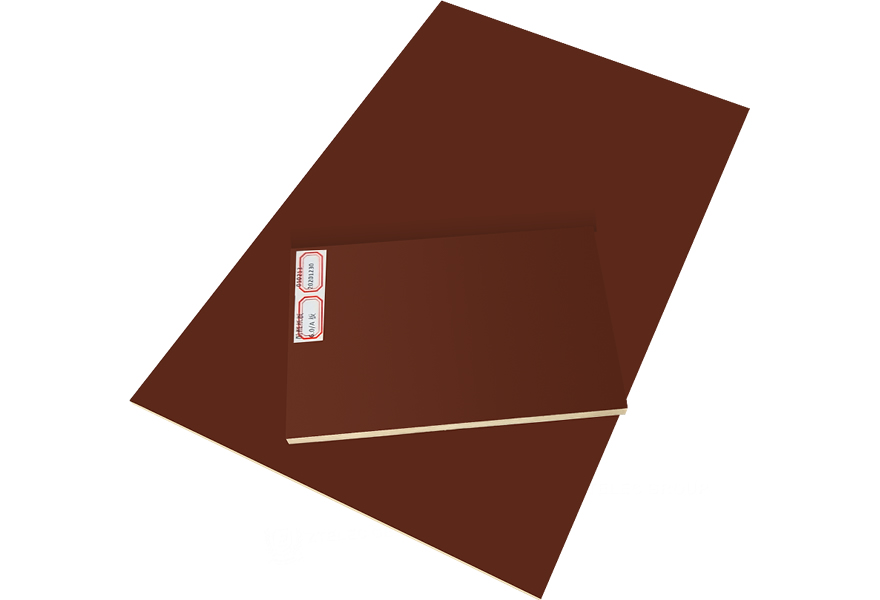
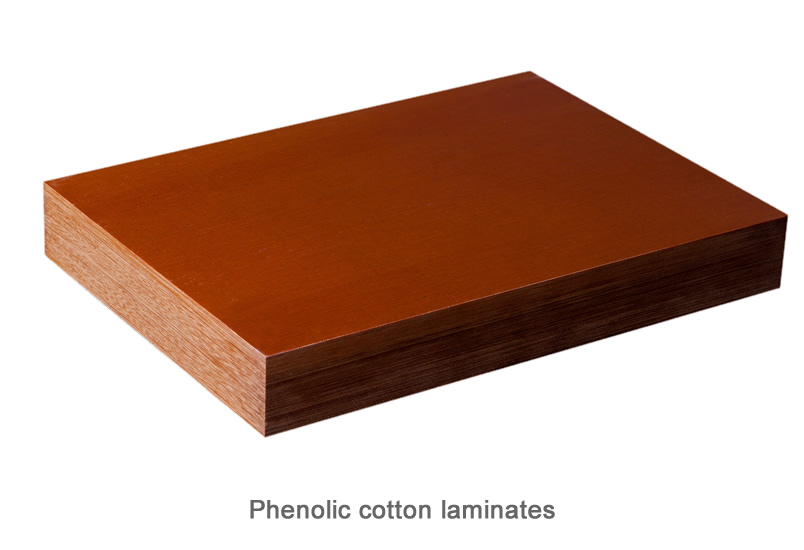
2. Fabric-Based Phenolic Cotton Laminates
Grade C / CE:
Manufactured using coarse-weave cotton fabric. These grades provide excellent toughness, impact resistance, and wear resistance, making them suitable for machining mechanical components. Grade CE is additionally designed for electrical insulation applications.
Grade L / LE:
Manufactured using finer-weave cotton fabric. These grades provide good mechanical strength, dimensional stability, and machinability, making them suitable for precision mechanical components, gears, bushings, and other wear-resistant parts.
3. Glass-Based Phenolic Laminates
Grade G-3:
Manufactured using woven glass cloth as the reinforcing substrate. G-3 provides high mechanical strength, dimensional stability, heat resistance, and creep resistance. However, the presence of glass fibers can result in greater tool wear during machining.
II. Core Properties Comparison
For quick material selection, the three primary types of phenolic laminated sheets can be compared as follows:
| Property | Paper-Based (X, XX, XP) |
Cotton-Based (C, L, CE) |
Glass-Based (G-3) |
|---|---|---|---|
| Mechanical Strength | Moderate | High; excellent toughness and wear resistance | Very high tensile and flexural strength |
| Electrical Insulation | Excellent, depending on grade | Good, depending on grade | Good dielectric strength |
| Machinability | Excellent; suitable for punching, cutting, and machining | Good; suitable for turning, milling, and drilling | More difficult due to glass-fiber reinforcement and increased tool wear |
| Cost | Generally economical | Moderate | Generally higher |
III. In-Depth Application Scenarios
1. Electrical & High-Voltage Power Distribution Systems
Transformers and Motors:
Phenolic laminates can be used in electrical and mechanical insulation components, including insulation strips, washers, terminal boards, coil support components, and other custom-machined parts.
Switchgear and Distribution Panels:
Their electrical insulation properties and mechanical strength make phenolic laminates suitable for insulation barriers, support components, terminal boards, and busbar clamping components.
2. Precision Electronics Manufacturing (Fixtures & Jigs)
ICT/FCT Test Fixtures:
Because of their electrical non-conductivity, dimensional stability, and machinability, phenolic laminates can be used as base materials for test fixtures, electronic assembly fixtures, and component testing equipment.
PCB Drilling Backup Boards:
Phenolic laminated sheets can be used as backup materials in PCB drilling applications to support the workpiece and help reduce burr formation on the underside of the PCB.
3. Heavy-Duty & High-Wear Mechanical Industries
Gears and Bushings:
Cotton-based phenolic laminates are suitable for gears, bushings, rollers, and other mechanical components where toughness, wear resistance, low weight, and good machinability are required.
Slitting and Shearing Machine Components:
Phenolic laminated materials can be machined into friction components, spacer rings, pressure pads, and other wear-resistant parts used in industrial machinery.
4. Chemical & Harsh Environment Industries
Insulating Gaskets:
Phenolic resin provides resistance to many chemicals and solvents. Phenolic laminated sheets can therefore be used for selected insulating gaskets, flange components, and other electrical isolation parts, depending on the specific chemical environment.
IV. Machining Processes & Operational Advice
Although phenolic laminated sheets generally offer good machinability, their laminated structure and resin composition require appropriate machining methods and process control.
Preventing Delamination and Edge Chipping:
During milling, drilling, and turning, excessive cutting forces can cause edge chipping or delamination. Use sharp tools, appropriate cutting parameters, and carbide or suitable high-speed steel tools. Supporting the workpiece with a backing board can also help reduce edge damage during drilling.
Dust Protection:
Machining phenolic laminates generates fine dust containing resin and reinforcement particles. A suitable local exhaust or dust extraction system should be used, and operators should wear appropriate respiratory and personal protective equipment.
Thermal Control:
Phenolic laminates are thermosetting materials and do not melt during machining. However, excessive cutting heat can cause localized burning, carbonization, discoloration, or dimensional changes. Use appropriate cutting speeds, feeds, sharp tools, and air cooling or other suitable cooling methods where permitted.
V. How to Choose the Right Phenolic Laminated Sheet
The appropriate phenolic laminated sheet should be selected according to the application’s mechanical, electrical, thermal, environmental, and machining requirements.
For general electrical insulation: Paper-based phenolic laminates are often an economical choice.
For punched insulation components: Punching grades such as XP or XPC may be considered where applicable.
For gears, bushings, and wear-resistant components: Cotton-based phenolic laminates are commonly selected for their toughness and machinability.
For high mechanical strength and dimensional stability: Glass-cloth phenolic laminates such as G-3 may be suitable.
For CNC-machined insulation components: Material selection should consider thickness, reinforcement type, dimensional tolerance, cutting method, operating temperature, and required electrical properties.
Conclusion
Phenolic laminated sheets are versatile thermosetting materials available in paper-based, cotton-based, and glass-cloth-based grades. Each reinforcement type provides a different balance of mechanical strength, electrical insulation, wear resistance, machinability, and cost.
Understanding the differences between phenolic laminate grades is essential when selecting materials for transformers, motors, switchgear, electrical insulation components, gears, bushings, test fixtures, and CNC-machined industrial parts.
For custom applications, the material grade should be selected according to the required electrical, mechanical, thermal, chemical, and machining performance.
Leave us a message to get quotation and sample!
If you are interested in our products,, please send us a message and we will contact you as soon as we receive it. Email: info@ztaero.com whatsApp: +8616650273778
Releated News
- 10-23 2026G10, FR4 & G11 Epoxy Sheets: Standard Sizes & Max Thickness
- 10-22 2026Epoxy Fiberglass Winding Tubes in Composite-Housed Metal Oxide Surge Arresters
- 10-20 2026FR4 Insulation Barriers: Applications in Electrical Equipment
- 10-16 2026Epoxy Fiberglass Laminates in Europe: Trends & Applications
- 10-13 2026How to Choose DDP Insulation Paper for Oil-Immersed Transformers?
- 10-12 2026FR4 Epoxy Fiberglass Sheets for CNC Machining Factories