Epoxy Fiberglass Laminates in Europe: Trends & Applications
Trends and Industrial Applications of Epoxy Fiberglass […]
Trends and Industrial Applications of Epoxy Fiberglass Laminates in Europe
Industry: Electrical Insulation Materials, Power Equipment, and Industrial Manufacturing
Evolving Market Demand for Epoxy Fiberglass Laminates in Europe
Epoxy fiberglass laminates are important engineering materials widely used in electrical insulation, industrial machinery, power distribution equipment, and precision-machined components. Combining excellent electrical insulation properties, mechanical strength, dimensional stability, and heat resistance, these materials help ensure reliable equipment performance in demanding industrial environments.
According to the European Commission’s electrification action plan published in 2026, the EU aims to increase the share of electricity in final energy consumption from approximately 23% today to 46% by 2040. Meanwhile, the expansion and modernization of Europe’s electricity grids will require sustained investment. The European Commission has previously estimated that approximately €477 billion in transmission network investment and €730 billion in distribution network investment will be needed by 2040. These policy objectives and infrastructure investment plans highlight the long-term demand for expanded and upgraded power equipment, together with the insulation materials required to support it.
As electrification accelerates, power infrastructure is modernized, industrial automation advances, and demand for advanced electrical equipment grows, manufacturers and suppliers of high-performance insulation materials are presented with new market opportunities.
Key Industry Trends for Epoxy Fiberglass Laminates in Europe
1. Increasing Requirements for Reliable Electrical Insulation
Manufacturers of transformers, switchgear, electric motors, generators, and power conversion equipment across Europe continue to require insulation materials with dependable electrical and mechanical performance.
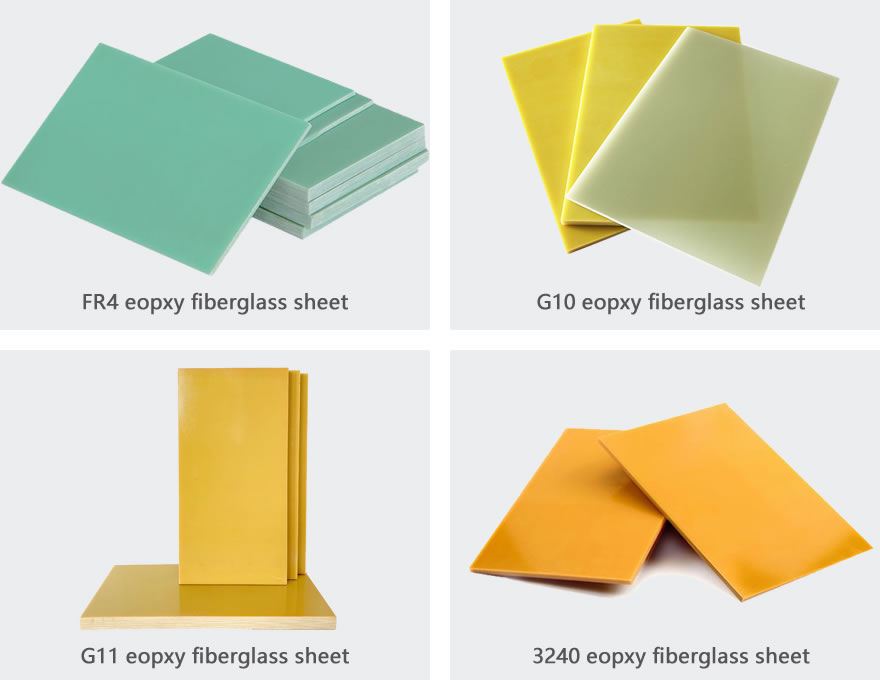
FR4 and G10 epoxy fiberglass laminates are widely used in electrical insulation structures, insulating supports, mounting plates, barrier panels, and machined components. For applications involving higher operating temperatures, G11 and other suitable heat-resistant laminate grades may be considered, depending on the specific requirements.
Material selection should take into account operating temperature, voltage level, dielectric properties, mechanical loads, service environment, and the technical specifications of the equipment.
2. Power Infrastructure Modernization Creates New Market Opportunities
Grid expansion, renewable energy integration, and the replacement of aging electrical equipment are important factors supporting demand for reliable insulation materials in Europe.
Epoxy fiberglass laminates can be used in insulating components for certain types of switchgear, circuit breakers, busbar support systems, power converters, and renewable energy equipment. Their rigidity, electrical insulation properties, and machinability make them suitable for many applications requiring electrical isolation where conventional metal components alone cannot meet insulation requirements.
As wind power, solar energy, energy storage systems, and associated power electronics continue to develop, industrial-grade insulation materials and their machined components are expected to benefit from additional application opportunities.
3. Growing Demand for CNC-Machined Insulation Components
European equipment manufacturers are increasingly extending their procurement requirements beyond standard laminate sheets to include custom-machined components manufactured according to engineering drawings.
CNC-machined epoxy fiberglass laminates can be used to produce insulating spacers, support blocks, mounting plates, electrical barriers, sleeves, and other custom-shaped structural components.
For procurement teams, working with a supplier that can provide both laminate sheets and precision machining services can simplify sourcing, improve dimensional control, and enhance production coordination.
Key procurement considerations include dimensional tolerances, thickness consistency, edge quality, hole positioning accuracy, surface condition, and inspection documentation.
4. Increasingly Specialized Material Selection
Different industrial applications require different laminate properties. Selecting materials based solely on designations such as FR4, G10, or G11 may not be sufficient, as actual performance can vary depending on the manufacturer, specific grade, and applicable technical specifications.
FR4 Epoxy Fiberglass Laminates: Suitable for many conventional electrical insulation and mechanical support applications, subject to the relevant technical requirements.
G10 Epoxy Fiberglass Laminates: Commonly used in rigid electrical insulation components requiring good mechanical strength and dimensional stability.
G11 Epoxy Fiberglass Laminates: Generally considered for applications requiring greater heat resistance than standard G10 materials.
GPO-3 Polyester Fiberglass Laminates: Suitable for certain electrical insulation applications requiring arc resistance and resistance to tracking, depending on the material grade and applicable testing requirements.
Before approving materials for production, European buyers may request technical data sheets, dielectric strength test results, thermal classification, flame-retardancy information, and relevant compliance documentation.
Major Industrial Applications of Epoxy Fiberglass Laminates
Epoxy fiberglass laminate materials play an important role across several industrial sectors in Europe.
Power Equipment: Used in insulating plates, spacers, mounting plates, structural supports, and barrier panels for selected transformers, switchgear, and power distribution equipment.
Electric Motors and Generators: Used in insulating supports, terminal boards, structural components, and custom-machined parts, depending on equipment design and thermal requirements.
Renewable Energy and Power Electronics: Used in insulating components for inverters, converters, energy storage systems, and related electrical equipment.
Industrial Automation: Used in electrical isolation panels, equipment supports, mounting assemblies, and precision-machined components in automated production systems.
CNC Machining and Industrial Component Manufacturing: Standard epoxy fiberglass laminate sheets can be machined into a wide variety of custom components according to engineering drawings, dimensional specifications, and application requirements.
Key Supplier Requirements Among European Buyers
For European industrial buyers, supplier selection depends not only on the initial purchase price but also on product consistency, technical suitability, quality traceability, and delivery reliability.
Key supplier evaluation criteria include:
Consistent Material Quality: Stable thickness, flatness, surface condition, and mechanical properties across production batches.
Verified Technical Performance: Electrical, thermal, and mechanical property data appropriate for the intended application.
Custom Machining Capabilities: CNC machining, drilling, milling, cutting, and dimensional inspection services tailored to customer requirements.
Technical Documentation and Compliance Support: Relevant test reports, technical data sheets, and documentation required by applicable regulations or specified by customers.
Flexible Supply Capabilities: Availability of standard sheet sizes, custom dimensions, repeat orders, and volume production.
Reliable Delivery Services: Clearly defined lead times, protective packaging, and timely communication throughout order fulfillment.
For applications subject to stringent certification and quality audit requirements, buyers should verify before production that the proposed materials comply with the relevant drawings, technical standards, and customer approval requirements.
Xujue Electrical: Supplier of Epoxy Fiberglass Laminates and Custom Insulation Components
Xujue Electrical is a manufacturer of electrical insulation materials specializing in insulation solutions for transformers, electric motors, generators, and other electrical equipment.
To meet the procurement needs of European industrial customers, Xujue Electrical can supply FR4, G10, G11, and other suitable epoxy fiberglass laminate grades and custom insulation components according to project specifications.
Supply options include standard laminate sheets and CNC-precision-machined components manufactured according to customer drawings or samples. This integrated supply approach enables equipment manufacturers and industrial component producers to coordinate material selection and component machining through a single supplier, helping improve procurement efficiency and production coordination.
To obtain an accurate quotation, customers are encouraged to provide the following information:
Material grade and applicable standards
Sheet thickness and dimensions
Required order quantity and estimated annual demand
Operating temperature and electrical performance requirements
Engineering drawings or samples of machined components
Required test reports or compliance documentation
Based on this information, the supplier can evaluate material suitability, manufacturing and machining feasibility, and provide an appropriate quotation.
Industry Outlook: Quality, Customization, and Supply Reliability Will Be Key Competitive Factors
The European epoxy fiberglass laminate industry is being shaped by the combined demand for reliable electrical insulation, industrial equipment modernization, and precision-manufactured components.
For material suppliers, market opportunities extend beyond the sale of standard laminate sheets. Custom dimensions, CNC precision machining, comprehensive technical documentation, and consistent batch quality are equally important in meeting the evolving procurement needs of European equipment manufacturers.
As electrical and industrial applications demand increasingly specialized material performance, suppliers that combine strong manufacturing capabilities with responsive technical support will be better positioned to establish long-term, stable partnerships with European customers.
Leave us a message to get quotation and sample!
If you are interested in our products,, please send us a message and we will contact you as soon as we receive it. Email: info@ztaero.com whatsApp: +8616650273778
Releated News
- 10-16 2026Epoxy Fiberglass Laminates in Europe: Trends & Applications
- 10-13 2026How to Choose DDP Insulation Paper for Oil-Immersed Transformers?
- 10-12 2026FR4 Epoxy Fiberglass Sheets for CNC Machining Factories
- 10-10 2026Transformer Pressboard
- 10-09 2026Epoxy Fiberglass Filament-Wound Tubes for Transformer Core Winding Insulation
- 09-28 2026Transformer Kraft Paper vs. Thermally Upgraded Paper