How to Choose DDP Insulation Paper for Oil-Immersed Transformers?
how to select DDP dot bonded insulation paper for oil-immersed transformers. Explore thickness, bonding resin, heat resistance, oil compatibility, and purchasing requirements.
As power equipment continues to evolve toward higher reliability, longer service life, and more efficient manufacturing, the selection of transformer winding insulation materials has become increasingly important. DDP insulation paper is a specialized electrical insulation material used in certain oil-immersed transformer winding applications.
When selecting DDP insulation paper, manufacturers should consider thickness, grammage, adhesive bonding performance, heat resistance, compatibility with insulating liquids, and suitability for the winding manufacturing process.

1. What Is DDP Insulation Paper?
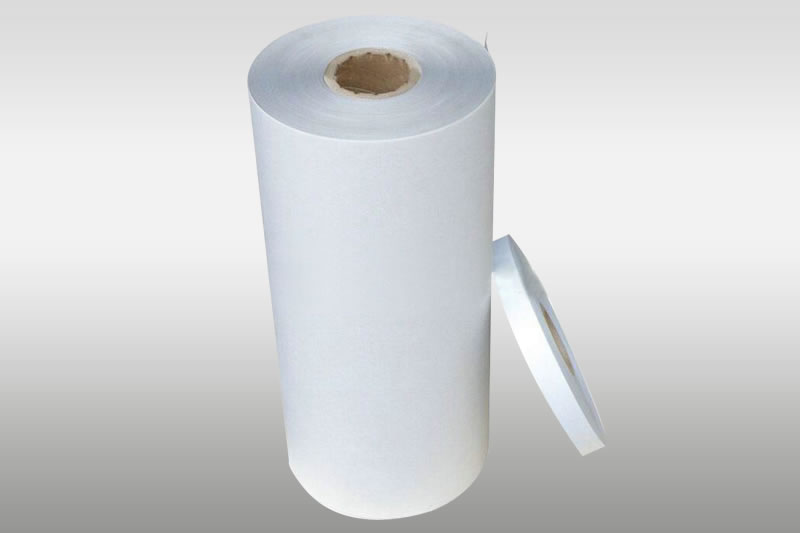
DDP stands for Diamond Dotted Paper . It generally refers to electrical insulation paper with regularly distributed adhesive resin dots on its surface. Under specified heating or curing conditions, these adhesive dots bond adjacent insulation layers or designated components together.
In oil-immersed transformers, DDP insulation paper can be used, depending on the design, for interlayer insulation, insulation layer fixation, and the formation of certain winding structures.
Compared with conventional unbonded insulation paper, DDP offers an additional bonding function. However, its actual performance depends on the base paper, resin system, dot pattern, and manufacturing process. Products from different manufacturers are not necessarily interchangeable.
2. Six Key Factors to Consider When Selecting DDP Insulation Paper
2.1 Base Paper, Thickness, and Grammage
The base paper material and thickness affect the dimensions of the insulation structure, electrical performance, and processing suitability. Specifications should be selected according to the winding design, conductor type, insulation distances, and technical requirements.
Base paper type and applicable technical standards
Paper thickness and thickness tolerance
Grammage (mass per unit area)
Paper uniformity, mechanical strength, and surface quality
Paper thickness should not be determined solely by the transformer’s voltage rating. The final specification should be based on transformer design documents, the manufacturing process, and relevant validation results.
2.2 Single-Sided or Double-Sided Dot Bonding
Depending on the winding structure and bonding requirements, DDP insulation paper can be manufactured with single-sided or double-sided adhesive dots. Single-sided dot bonding is suitable for applications requiring bonding on a designated surface, while double-sided dot bonding can be used where bonding on both sides is required.
Purchasers should confirm the number of coated sides, adhesive dot pattern, bonding interfaces, and compatibility with the winding process.
2.3 Adhesive Bonding Performance
Bonding performance depends on the resin type, heating temperature, heating time, pressure, and curing conditions. Manufacturers should confirm the resin system, recommended activation temperature, curing conditions, bonding strength, and corresponding test methods.
For mass production, consistent adhesive dot distribution and stable bonding performance between batches are also important.
2.4 Heat Resistance and Compatibility with Transformer Insulating Liquids
Insulation materials used in oil-immersed transformers must maintain stable performance under specified operating temperatures and insulating liquid conditions. Compatibility between the adhesive resin and the overall insulation system should be evaluated.
Applicable temperature range and relevant heat-resistance test results
Electrical and mechanical properties before and after oil immersion
Compatibility with mineral insulating oil or ester-based insulating liquids
Relevant thermal aging, oil immersion, and material compatibility test reports
The heat-resistance rating of the base paper does not necessarily represent the heat-resistance performance of the complete dot bonded insulation material. Selection should consider the base paper, adhesive resin, insulating liquid, and actual operating conditions.
2.5 Roll Dimensions and Processing Stability
Transformer manufacturers should confirm roll width, roll length, core dimensions, thickness tolerance, and slitting accuracy according to their winding equipment and winding dimensions.
For automated winding lines, additional considerations include paper flatness, edge quality, unwinding stability, and uniformity of adhesive dot distribution. For long-term bulk purchasing, establish clear technical specifications, batch inspection requirements, packaging standards, and storage conditions.
2.6 Suitability for Different Transformer Applications
Distribution transformers: Focus on paper specifications, interlayer positioning, bonding performance, and material cost while meeting design requirements.
Foil-wound transformers: Evaluate compatibility with the foil winding process, bonding performance, and conditions required for insulating liquid impregnation.
Large power transformers: Consider winding mechanical strength, thermal performance, long-term material stability, and relevant test results for the insulation system.
Automated winding production lines: Prioritize roll dimensional accuracy, unwinding performance, adhesive dot uniformity, and batch consistency.
These recommendations provide general selection guidance. Final material specifications should be confirmed by the transformer manufacturer based on the design, manufacturing process, and validation results.
3. What Documents Should You Request from a DDP Insulation Paper Supplier?
To reduce the risks associated with material selection and bulk purchasing, purchasers should provide clear technical requirements and request relevant documentation from suppliers.
Product Technical Data Sheet (TDS) and applicable standards.
Base paper material, thickness, grammage, and dimensional tolerances.
Dot bonding configuration, resin type, and recommended activation or curing conditions.
Bonding strength test reports and test methods.
Electrical performance, heat resistance, and insulating liquid compatibility data.
Product inspection reports, batch consistency requirements, and storage recommendations.
For first-time cooperation with a supplier, test samples under actual or simulated production conditions. Evaluate winding, bonding, drying, and oil immersion performance before finalizing specifications for bulk purchasing.
4. Xujue Electrical: Insulation Material Solutions for Transformer Manufacturers
Xujue Electrical, specializes in the development and production of electrical insulation materials for transformers, electric motors, generators, and other electrical equipment.
For transformer manufacturing applications, Xujue Electrical supplies a range of electrical insulation materials, including transformer insulation paper, transformer pressboard, pressboard strips, and related customized insulation products.
For specific requirements involving DDP insulation paper, customers are encouraged to confirm product availability, technical specifications, and supply capabilities according to their application requirements.
When inquiring about DDP insulation paper or other transformer winding insulation materials, customers are advised to provide the transformer type, voltage rating, required thickness, roll width, insulating liquid type, and estimated purchase quantity.
Conclusion
Selecting DDP insulation paper for oil-immersed transformers requires a comprehensive evaluation of the base paper, adhesive dot structure, bonding performance, heat resistance, insulating liquid compatibility, and processing stability.
For transformer manufacturers, clearly defined technical requirements, verified supplier documentation, and appropriate sample testing are essential steps in ensuring that the material meets winding process and insulation system requirements.
Choosing suitable DDP insulation paper can help improve winding manufacturing consistency and support the reliability and long-term performance of transformer insulation systems.
Contact Xujue Electrical to discuss electrical insulation materials and customized solutions for oil-immersed transformers.
Leave us a message to get quotation and sample!
If you are interested in our products,, please send us a message and we will contact you as soon as we receive it. Email: info@ztaero.com whatsApp: +8616650273778
Releated News
- 10-13 2026How to Choose DDP Insulation Paper for Oil-Immersed Transformers?
- 10-12 2026FR4 Epoxy Fiberglass Sheets for CNC Machining Factories
- 10-10 2026Transformer Pressboard
- 10-09 2026Epoxy Fiberglass Filament-Wound Tubes for Transformer Core Winding Insulation
- 09-28 2026Transformer Kraft Paper vs. Thermally Upgraded Paper
- 09-28 2026Xujue Electrical Exhibits at Data Centre World Singapore 2026