Transformer Crepe Paper Specifications and Selection Guide
how to select transformer crepe paper by thickness, width, elongation, tensile strength, moisture content, and dielectric properties. Contact Xujue Electrical for technical spec...
How to Select Transformer Crepe Paper: Specifications and Technical Parameters
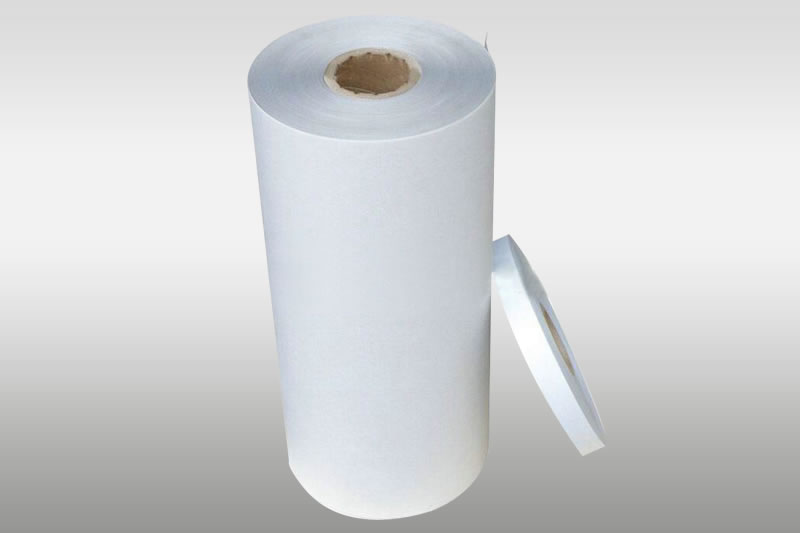
Transformer crepe paper is a cellulose-based electrical insulation material widely used in oil-immersed transformers. It is mainly applied to the insulation wrapping of transformer leads, conductor joints, bent sections, and other irregularly shaped conductive components.
When selecting transformer crepe paper, buyers should consider more than just thickness and width. Key factors include creping ratio, elongation, tensile strength, moisture content, electrical properties, oil compatibility, and roll specifications. Different application areas have different requirements for flexibility, mechanical performance, and electrical insulation.

1. Main Specifications of Transformer Crepe Paper
Transformer crepe paper is commonly supplied in rolls. The following specifications should be confirmed before purchasing. Actual available sizes and technical parameters should be verified against the manufacturer’s product datasheet and inspection results.
| Parameter | Description | Requirements to Confirm |
|---|---|---|
| Thickness | Nominal thickness | Nominal thickness and tolerance, in μm or mm |
| Width | Roll width | Standard or customized width, in mm |
| Roll Length | Length per roll | Required length, in meters |
| Creping Ratio | Degree of creping | Required creping ratio and measurement method |
| Elongation at Break | Stretching capability | Machine-direction and cross-direction elongation, % |
| Tensile Strength | Tensile performance | Tensile strength in the machine and cross directions |
| Moisture Content | Moisture level | Moisture content requirements at delivery |
| Grammage / Basis Weight | Mass per unit area | Required basis weight, in g/m² |
| Electrical Properties | Insulation performance | Dielectric properties tested according to specified methods |
| Roll Specifications | Roll dimensions | Core inner diameter, roll outer diameter, roll weight, and packaging |
Important: Creping ratio, elongation, and tensile strength are three different parameters. The creping ratio describes dimensional changes associated with the creping process. Elongation measures how far the paper can stretch under tension, while tensile strength indicates its ability to withstand a pulling force.
2. Common Thickness Specifications and Reference Parameters
Different manufacturers may use different base-paper thicknesses, creping processes, and finished-paper thickness standards. The following table provides illustrative reference specifications for purchasing and material selection. Actual specifications should be confirmed with the supplier.
| Base Paper Thickness | Reference Thickness After Creping | Reference Basis Weight | Typical Selection Considerations |
|---|---|---|---|
| 0.05 mm | 0.35 ± 0.05 mm | 60 ± 10% g/m² | Thin lead wrapping and localized insulation |
| 0.075 mm | 0.45–0.48 mm | 110 ± 10% g/m² | Wrapping applications requiring a thicker insulation layer |
| 0.08 mm | Approximately 0.60 mm | Approximately 110 g/m² | Applications requiring greater extensibility |
| 0.13 mm | 0.70–0.90 mm | Approximately 120–150 g/m² | Thicker local insulation and wrapping of complex shapes |
Note: These values are illustrative references from different product ranges, not a unified standard from one manufacturer. Base-paper thickness and thickness after creping are two different parameters and should not be used interchangeably. Actual specifications, tolerances, and basis weight must be confirmed in the relevant product datasheet.
3. Key Technical Parameters and Reference Ranges
The following values can serve as initial references for inquiries and technical evaluations. They should not be treated as universal acceptance criteria for all transformer crepe paper products.
| Technical Parameter | Illustrative Reference Value | Selection Significance |
|---|---|---|
| Moisture Content | ≤7–9%, depending on grade | Affects electrical performance and storage quality |
| Ash Content | ≤0.7–1.0% | Indicates the content of inorganic residues |
| pH of Water Extract | Approximately 6.0–8.0 | Helps evaluate the acidity or alkalinity of the paper |
| Creping Ratio | ≥50% for some products | Indicates the degree of creping |
| Elongation at Break | Grade-dependent; approximately 30–150% for some products | Affects wrapping flexibility and conformity to complex surfaces |
| Tensile Strength | Depends on thickness and test direction | Affects handling, wrapping, and resistance to tearing |
| AC Breakdown Voltage | Depends on specimen condition, thickness, and test method | Evaluates electrical insulation performance under specified test conditions |
| Oil Contamination | Below 0.1% for some products | Helps assess material cleanliness and suitability for oil-insulation systems |
These ranges are based on product information published by manufacturers. Actual values may vary according to paper grade, test method, and testing conditions.
4. How to Select Crepe Paper for Different Applications
4.1 Transformer Lead Wrapping
For transformer lead insulation, prioritize flexibility, elongation, uniform insulation thickness after wrapping, and tensile strength.
For leads with multiple bends, it is particularly important to verify that the paper can conform closely to the conductor without tearing during application.
4.2 Insulation of Joints and Irregular Components
For conductor joints and irregularly shaped components, prioritize extensibility, conformability, and finished thickness.
The material thickness and number of wrapping layers should be determined according to the dimensions of the connection, the required insulation distances, and the equipment’s insulation design.
4.3 High-Voltage Transformers and Instrument Transformers
For high-voltage applications, buyers should evaluate not only thickness and mechanical properties but also dielectric performance, moisture content, oil compatibility, and material cleanliness.
The suitability of the selected paper should be verified against the requirements of the complete insulation system.

5. Standards and Inspection Reports to Confirm
When purchasing electrical-grade transformer crepe paper, buyers may request the following documents:
Technical Data Sheet (TDS): Product specifications, physical properties, and recommended applications.
Certificate of Analysis (COA): Batch inspection results, including thickness, basis weight, moisture content, and mechanical properties.
Applicable product standards and test methods: For example, relevant documents in the IEC 60554 series, subject to confirmation of the applicable edition and product category.
Oil compatibility and electrical performance data: Where required for oil-immersed transformer applications.
Roll specifications and storage instructions: Including dimensions, packaging, and recommended storage conditions.
IEC 60554-3-3 is a historical standard document associated with creped electrical cellulose paper. Buyers should ask suppliers to confirm the applicable standard edition, scope, and test methods required by the purchase specification. A standard number alone is not sufficient unless the relevant acceptance criteria are clearly defined.
6. Transformer Crepe Paper Selection Recommendations from Xujue Electrical
For efficient product selection and quotation, we recommend confirming four key items first:
- Base paper thickness: For example, 0.05, 0.075, 0.08, or 0.13 mm, or another specified grade.
- Application: Transformer leads, conductor joints, bent conductors, or other insulation locations.
- Roll dimensions: Width, roll length, core inner diameter, and required quantity.
- Technical requirements: Finished thickness after creping, elongation, moisture content, tensile strength, and electrical properties.
If the buyer already has a sample or an existing technical datasheet, comparing the proposed product against the sample and specified requirements is generally more reliable than selecting the material based on thickness alone.
Contact Xujue Electrical for Transformer Crepe Paper
Xujue Electrical supplies electrical insulation materials for transformers, motors, generators, and other electrical equipment.Contact our team to discuss transformer crepe paper specifications, customized roll dimensions, and sourcing requirements.
Please provide your required thickness, width, application, quantity, and technical specifications so that we can evaluate your requirements and prepare a quotation.
Leave us a message to get quotation and sample!
If you are interested in our products,, please send us a message and we will contact you as soon as we receive it. Email: info@ztaero.com whatsApp: +8616650273778
Releated News
- 10-26 2026Transformer Crepe Paper Specifications and Selection Guide
- 10-23 2026G10, FR4 & G11 Epoxy Sheets: Standard Sizes & Max Thickness
- 10-22 2026Epoxy Fiberglass Winding Tubes in Composite-Housed Metal Oxide Surge Arresters
- 10-20 2026FR4 Insulation Barriers: Applications in Electrical Equipment
- 10-16 2026Epoxy Fiberglass Laminates in Europe: Trends & Applications
- 10-13 2026How to Choose DDP Insulation Paper for Oil-Immersed Transformers?