FR4 Epoxy Sheet for CNC Machining: Thickness Selection & Purchasing Guide
How Can CNC Machining Companies Quickly Select the Right FR4 Thickness,FR4 Epoxy Sheet for CNC Machining: Thickness Selection & Purchasing Guide.
FR4 Epoxy Sheet for CNC Machining: Thickness Selection and Applications
FR4 epoxy sheet is a high-performance electrical insulation laminate made from woven fiberglass cloth reinforced with epoxy resin. It offers excellent electrical insulation, mechanical strength, dimensional stability, and heat resistance.
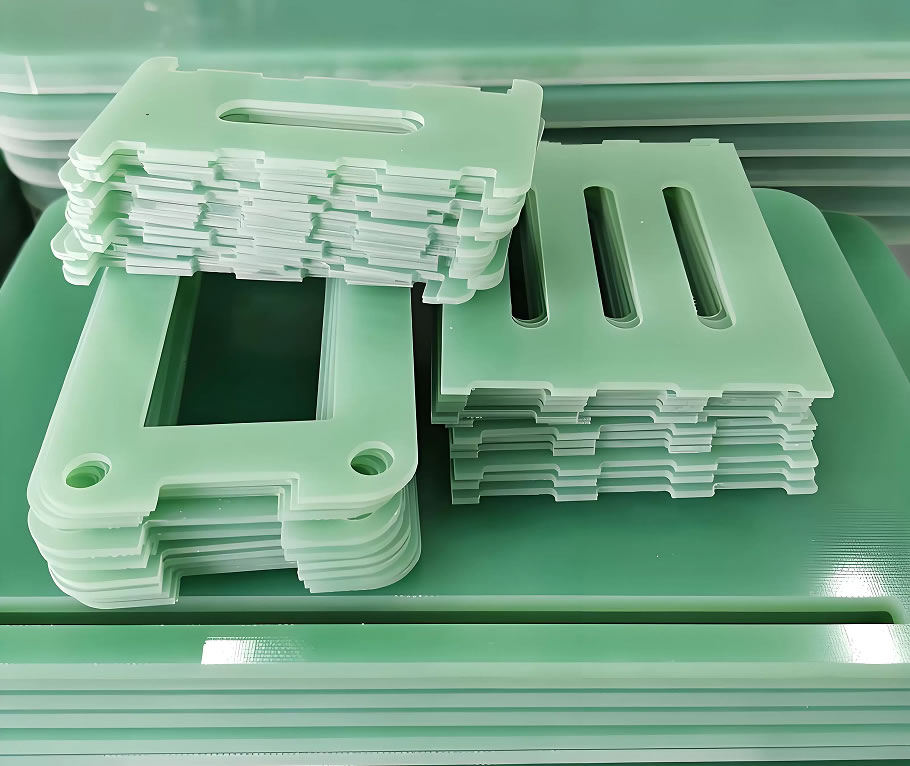
Because FR4 epoxy sheet has good machinability, it can be processed by CNC milling, drilling, cutting, engraving, slotting, chamfering, and custom profile machining to produce a wide range of insulation components.
FR4 epoxy sheet is widely used in transformers, motors, generators, switchgear, electrical equipment, and industrial machinery.
For CNC machining companies, purchasing FR4 epoxy sheet involves more than simply comparing price and sheet dimensions. Thickness selection, material grade, mechanical properties, electrical performance, and machinability are all important factors to consider.
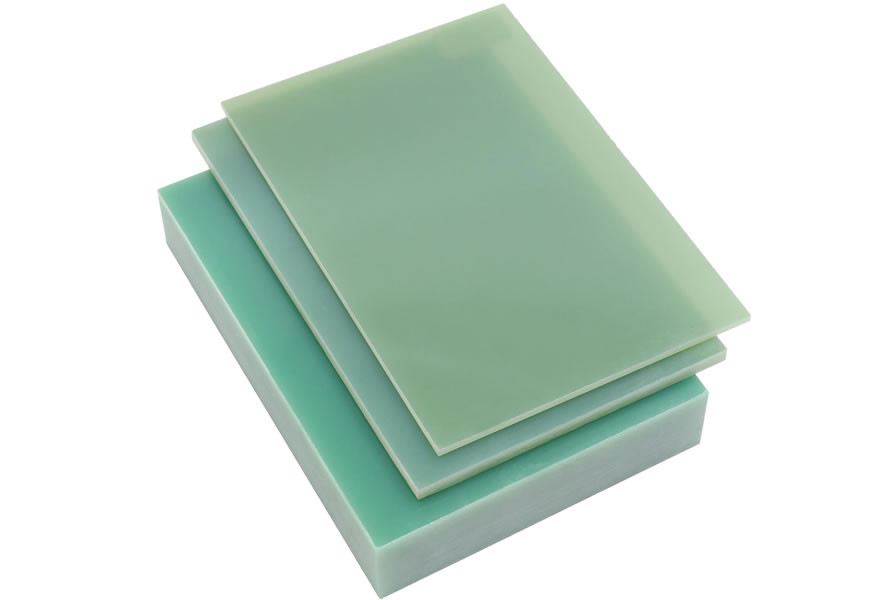
This guide explains the common applications of different FR4 sheet thicknesses and the key parameters that CNC machining companies should consider when purchasing FR4 epoxy fiberglass laminate.
1. Why Is FR4 Sheet Suitable for CNC Machining?
FR4 is a thermosetting fiberglass-reinforced epoxy laminate. Compared with conventional engineering plastics, FR4 offers several advantages, including:
High mechanical strength
High rigidity
Excellent electrical insulation
Good dimensional stability
Low water absorption
Flame-retardant properties
Good machinability for CNC milling, drilling, cutting, and slotting
FR4/G10 materials typically use woven fiberglass cloth as the reinforcement and epoxy resin as the matrix. This structure provides high rigidity and excellent electrical insulation, making FR4 suitable for machining insulating supports, barriers, spacers, gaskets, test fixtures, and structural components.
2. How to Choose the Right FR4 Epoxy Sheet Thickness?
FR4 epoxy sheets are available in a wide range of thicknesses.
When purchasing FR4 for CNC machining, the appropriate thickness should be selected according to the component’s dimensions, mechanical strength requirements, insulation distance, load-bearing requirements, mounting method, and machining depth.
The following table provides a general reference for common FR4 thicknesses and applications.
| FR4 Thickness | Common Applications |
|---|---|
| 0.5–1.0 mm | Thin insulation sheets, gaskets, insulation spacers |
| 1.5–2.0 mm | Insulation plates, barriers, spacers, electronic and electrical components |
| 2.5–3.0 mm | Transformer insulation parts, switchgear barriers, support components |
| 4–5 mm | Insulating support plates, mounting plates, busbar supports |
| 6–10 mm | High-strength insulation supports, structural components, industrial fixtures |
| 12–20 mm | Thick structural insulation parts, heavy-duty support components |
| Above 20 mm | Special structural components and custom CNC-machined parts |
The thickness ranges above are intended only as general application guidelines. The final thickness should be determined according to the component drawing and actual operating conditions.
3. 0.5–1.0 mm FR4 Epoxy Sheet
Thin FR4 epoxy sheet is suitable for components that require electrical insulation but do not require significant mechanical thickness.
Typical applications include:
Insulating gaskets
Thin insulation plates
Isolation sheets
Electronic insulation components
Precision washers
Thin insulation barriers
Reinforcement components for electronic equipment
When CNC machining thin FR4, special attention should be paid to workpiece support and fixturing. Improper support may result in:
Vibration
Deformation
Edge chipping
Reduced machining accuracy
For precision machining, buyers should pay particular attention to:
Thickness tolerance
Flatness
Surface quality
Fiberglass cloth structure
CNC machining method
Workpiece fixturing method
4. 1.5–2.0 mm FR4 Epoxy Sheet
FR4 with a thickness of 1.5–2.0 mm provides a good balance between thickness, rigidity, electrical insulation, and machinability.
Common applications include:
Electrical insulation plates
Terminal insulation plates
Insulation barriers
Motor insulation components
Transformer insulation components
Electronic equipment components
Switchgear insulation parts
For small and medium-sized CNC-machined insulation components, 1.5–2.0 mm FR4 is a practical thickness range for many applications.
5. 2.5–3.0 mm FR4 Epoxy Sheet
3 mm FR4 epoxy sheet is one of the most commonly used thicknesses for industrial insulation and CNC machining applications.
Typical applications include:
Transformer insulation plates
Transformer support components
Switchgear insulation barriers
Electrical insulation plates
Busbar insulation supports
Mounting plates
Industrial brackets
CNC-machined structural insulation components
If a component requires a combination of good mechanical rigidity, electrical insulation, and CNC machinability, then 3 mm FR4 is often a practical option to consider.
6. 4–5 mm FR4 Epoxy Sheet
FR4 sheets with a thickness of 4–5 mm are mainly used for components requiring greater mechanical rigidity and support capacity.
Typical applications include:
Busbar supports
Electrical equipment support components
Transformer structural components
Switchgear insulation plates
Mounting plates
Insulating brackets
Industrial tooling and fixtures
For large CNC-machined components, increasing the FR4 sheet thickness can improve component rigidity and help reduce deformation during operation.
7. 6–10 mm FR4 Epoxy Sheet
When FR4 thickness reaches 6–10 mm, the material typically serves not only as an electrical insulation material but also as a mechanical structural support material.
Typical applications include:
Heavy-duty insulation supports
Mounting plates
Transformer structural components
Switchgear support components
Electrical equipment bases
Industrial tooling and fixtures
CNC-machined structural components
If the finished component needs to withstand a relatively high mechanical load, a thicker FR4 sheet may be considered.
8. 12–20 mm FR4 Epoxy Sheet
Thick FR4 epoxy laminate is suitable for industrial applications that require both high mechanical rigidity and reliable electrical insulation.
Typical applications include:
Structural insulation components
Heavy-duty insulation supports
Transformer structural components
Electrical equipment mounting plates
Industrial machinery components
Custom CNC-machined parts
When machining thicker FR4 sheets, greater attention should be paid to tool selection, cutting parameters, chip removal, and fiberglass dust control.
9. Above 20 mm FR4 Epoxy Sheet
FR4 sheets thicker than 20 mm are generally used for special applications rather than conventional thin insulation components.
Typical applications include:
Heavy-duty structural insulation components
Large insulation blocks
Transformer structural components
Electrical equipment bases
Custom thick insulation components
Special industrial tooling and fixtures
These products are usually manufactured according to the customer’s engineering drawings. Thickness tolerance, dimensions, flatness, and other technical requirements should be confirmed separately before production.
10. How Can CNC Machining Companies Quickly Select the Right FR4 Thickness?
If the final requirements have not yet been fully determined, the following guidelines can be used for preliminary material selection:
Thin insulation components: 0.5–1.0 mm
Suitable for gaskets, isolation sheets, and other lightweight insulation components.
General insulation components: 1.5–3.0 mm
Suitable for insulation plates, barriers, supports, and small to medium-sized CNC-machined components.
Structural insulation components: 4–10 mm
Suitable for components requiring higher rigidity and mechanical strength.
Large or heavy-duty insulation structures: 12–20 mm and above
Suitable for large support components and special industrial structural parts.
These recommendations are intended for preliminary selection only. The final thickness should be determined based on the engineering drawing, mechanical load, insulation distance, operating temperature, and mounting method.
11. How to Purchase FR4 Epoxy Sheet for CNC Machining?
When requesting a quotation from an FR4 manufacturer, providing complete material specifications can help improve quotation accuracy and reduce communication time.
A typical FR4 purchasing inquiry may include:
Material: FR4 Epoxy Fiberglass Laminate
Grade: FR4 / EPGC 202
Thickness: 3 mm
Sheet Size: 1220 × 2440 mm
Quantity: 500 sheets
Application: CNC machining of electrical insulation components
Certification Requirements: UL / RoHS / SGS, if required
Color: Natural / Green / Black, if required
If special machining requirements exist, buyers can also provide:
Engineering drawings, samples, or technical specifications
The FR4 manufacturer can then recommend a suitable laminate specification based on the actual application.
12. Conclusion
FR4 epoxy fiberglass laminate is an excellent industrial insulation material for CNC machining applications. It combines mechanical strength, electrical insulation, dimensional stability, and flame-retardant properties, making it suitable for a wide range of industrial applications.
For most industrial CNC machining applications, 1.5–5 mm FR4 is a practical thickness range for insulation plates, barriers, supports, transformer components, switchgear components, and various industrial insulation structures.
Meanwhile, 6–20 mm and thicker FR4 epoxy sheets are more suitable for heavy-duty structural insulation components and customized CNC-machined parts.
Selecting the right FR4 thickness should not be based on thickness alone. Buyers should also consider:
Mechanical load, component structure, electrical insulation requirements, machining method, dimensional tolerances, and operating environment.
FR4 Epoxy Sheet Manufacturer & CNC Machining Supplier
Xujue Electrical is a professional manufacturer of electrical insulation materials with a history dating back to 1958. The company provides FR4 epoxy fiberglass laminate materials and CNC machining services for industrial customers.
If you are looking for an FR4 epoxy fiberglass laminate supplier for CNC machining, we recommend providing the following information when requesting a quotation:
Material grade
Thickness
Sheet dimensions
Required quantity
Application
Certification requirements
Engineering drawings or samples, if available
As a professional FR4 manufacturer, Xujue Electrical can provide suitable material specifications, technical data, samples, and quotations based on your application requirements.
Leave us a message to get quotation and sample!
If you are interested in our products,, please send us a message and we will contact you as soon as we receive it. Email: info@ztaero.com whatsApp: +8616650273778
Releated News
- 10-23 2026G10, FR4 & G11 Epoxy Sheets: Standard Sizes & Max Thickness
- 10-22 2026Epoxy Fiberglass Winding Tubes in Composite-Housed Metal Oxide Surge Arresters
- 10-20 2026FR4 Insulation Barriers: Applications in Electrical Equipment
- 10-16 2026Epoxy Fiberglass Laminates in Europe: Trends & Applications
- 10-13 2026How to Choose DDP Insulation Paper for Oil-Immersed Transformers?
- 10-12 2026FR4 Epoxy Fiberglass Sheets for CNC Machining Factories