Black Bakelite Sheet: Introduction & Sourcing Selection Guide
Black Bakelite Sheet is widely used in the electronic, electrical, mechanical, and mold-making industries.
Black Bakelite Sheet: Introduction, Applications, and Selection Guide
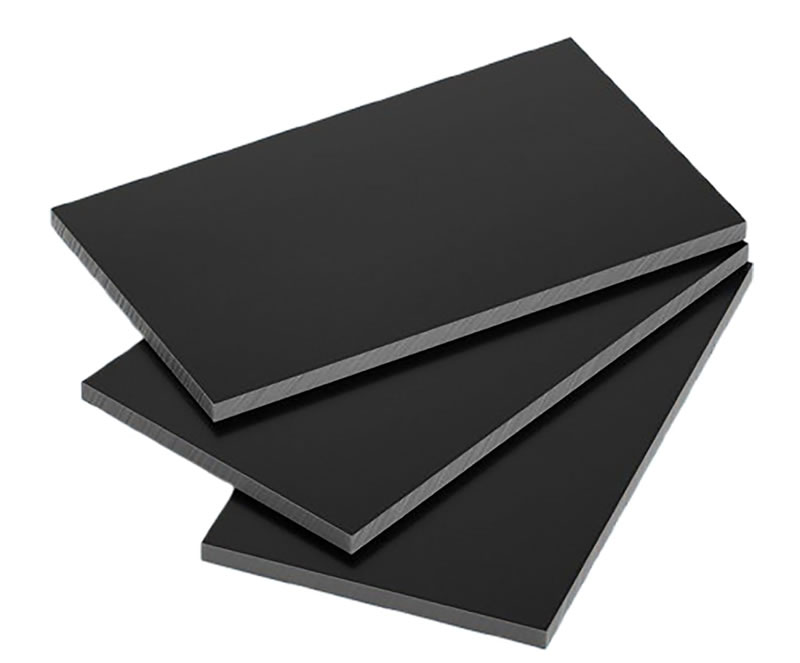
Black Bakelite Sheet, technically known as Phenolic Paper Laminated Sheet, is a hard, high-density insulation material. It is manufactured by impregnating layers of bleached wood pulp paper or cotton paper with high-purity synthetic phenolic resin, followed by heat and high-pressure lamination.
Known for its wood-like machinability and excellent electrical insulation properties, Black Bakelite Sheet is widely used in the electronic, electrical, mechanical, and mold-making industries.
1. Key Characteristics
Excellent Electrical Insulation
Black Bakelite Sheet offers excellent dielectric properties and high volume resistivity, making it suitable for electrical insulation and isolation applications.
High Mechanical Strength
Its dense laminated structure and high hardness provide good flexural and compressive strength, helping components maintain dimensional stability under mechanical loads.
Excellent Machinability
Black Bakelite Sheet is easy to machine using conventional equipment. It is suitable for CNC milling, drilling, sawing, cutting, sanding, and other machining operations.
Heat and Flame Resistance
Depending on the specific grade and formulation, phenolic laminated sheets can provide reliable performance at elevated temperatures. Typical continuous operating temperatures are approximately 120°C to 150°C, while certain grades may meet specific flame-retardant requirements such as UL94 V-0.
2. Core Applications
Electronics and Semiconductor Manufacturing
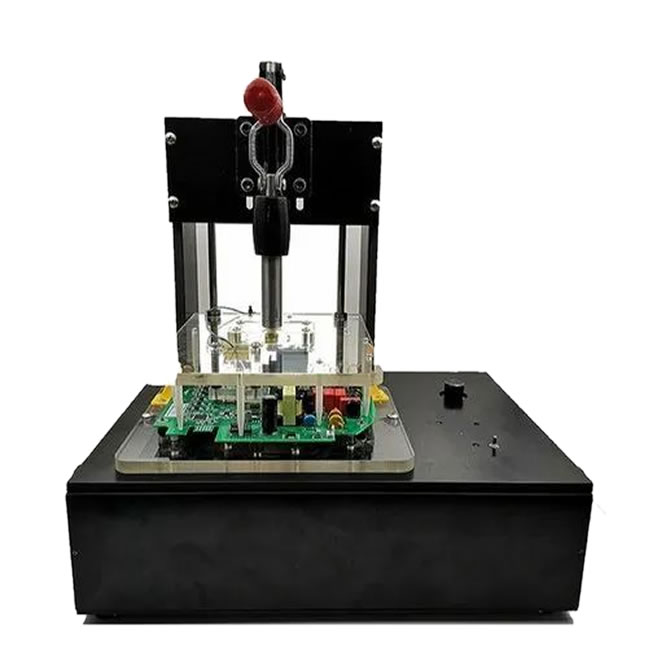
Black Bakelite Sheet is commonly used to manufacture precision test fixtures and tooling, including ICT, FCT, and ATE test jigs. It can also be used for silicone rubber keypad molds and ESD-safe work surfaces in electronics and cleanroom assembly environments.
PCB Industry
In PCB manufacturing, Bakelite Sheet can be used as a drilling entry backing board and as a support or grinding plate beneath PCB drilling and processing equipment.
Power Distribution and Electrical Equipment
Black Phenolic Sheet is used as an insulating and structural material in electrical equipment, including high- and low-voltage distribution boxes, switchboards, junction boxes, electrical panels, motors, and transformers.
Mechanical and Mold Manufacturing
Due to its good machinability, dimensional stability, and mechanical strength, Bakelite Sheet can be machined into mold clamping plates, mechanical thermal insulation components, forming-mold support parts, and components for packaging machinery.
3. Black Bakelite Sheet Selection Guide
Choosing the right Black Bakelite Sheet requires consideration of the electrical, mechanical, dimensional, and processing requirements of the final application. The following four factors are particularly important.
1) Material Grade by Functionality
Standard Insulating Black Bakelite Sheet
Features: Provides high electrical insulation and electrical resistance, making it suitable for applications where electrical isolation is required.
Typical Applications: High-voltage electrical components, power distribution box barriers, switchboard insulation parts, and mechanical structural supports requiring electrical insulation.
Anti-Static (ESD) Black Bakelite Sheet
Features: ESD Bakelite Sheet is formulated to provide controlled electrical resistance or surface resistivity, typically within a specified static-dissipative range such as 106 to 109 Ω, depending on the grade and test method.
Typical Applications: Electronic test fixtures, semiconductor tooling, ESD workstations, and production environments involving sensitive electronic components, chips, PCBs, and SMT assemblies.
Important: The exact electrical resistance range should be confirmed according to the manufacturer’s technical datasheet and the customer’s specified test standard.
2) Grade Selection by Fabrication Method
Machining / Thick Sheet Grade
Thick Bakelite Sheets are generally available from approximately 3 mm to 50 mm, with some grades available in greater thicknesses.
They are hard and dimensionally stable, making them suitable for CNC routing, milling, drilling, cutting, and other machining processes to produce complex jigs, fixtures, structural components, and insulating parts.
Cold / Hot Stamping Grade
Thin phenolic laminated sheets are typically available in approximately 0.3 mm to 3 mm thicknesses, depending on the grade.
These materials are designed for punching, stamping, and other high-volume processing methods and can be used to manufacture washers, plugs, gaskets, insulating spacers, and other small electrical insulation components.
3) Standard Dimensions and Thicknesses
Selecting a standard sheet size that closely matches the dimensions of the finished component can help improve material utilization and reduce machining waste.
Common Thicknesses
Thin Sheets: 0.5 mm, 1 mm, 1.5 mm, and 2 mm
These thicknesses are commonly used for stamped washers, insulating spacers, gaskets, and other thin insulation components.
Thick Sheets: 3 mm, 5 mm, 8 mm, 10 mm, 15 mm, 20 mm, 30 mm, 40 mm, and 50 mm+
These thicknesses are generally used for test fixtures, structural plates, electrical insulation components, and machined parts.
Common Sheet Sizes
Common sheet dimensions include:
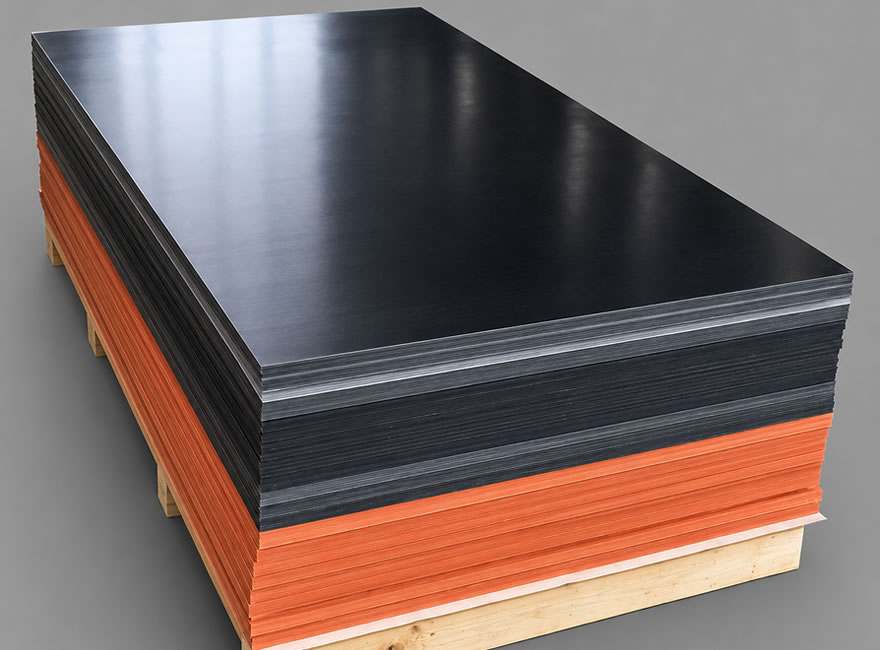
1020 mm × 1220 mm
1000 mm × 2000 mm
1220 mm × 1220 mm
Other dimensions can also be available depending on the manufacturer’s production capabilities and customer requirements.
4) Key Technical Specifications for Selection
| Parameter | Typical Industrial Target | Notes |
|---|---|---|
| Density (Specific Gravity) | Approx. 1.35–1.45 g/cm³ | Actual density depends on the paper base, resin content, and manufacturing process. Sheet weight can be estimated using length × width × thickness × density. |
| Operating Temperature | Typically ≤120°C continuous; short-term performance may reach approximately 150°C depending on grade | Actual temperature capability should be confirmed according to the specific material grade and technical datasheet. |
| Warpage / Flatness | Typically controlled according to the application and material specification | High-precision ICT and test fixtures may require specially processed, ground sheets with tighter flatness and dimensional tolerances. |
| Electrical Resistance / Surface Resistivity | Standard insulating grade: typically high electrical resistance; ESD grade: commonly controlled within 106–109 Ω, depending on specification | For ESD applications, resistance or surface resistivity should remain within the specified range during service and after machining or surface wear. |
4. How to Choose the Right Black Bakelite Sheet
When selecting a Black Bakelite Sheet, customers should first identify the primary function of the material and then confirm the required technical specifications.
For electrical insulation: Choose a standard insulating phenolic paper laminated sheet with the required dielectric and insulation properties.
For electronic test fixtures: Consider an ESD or static-dissipative grade when controlled electrical resistance is required.
For CNC machining: Select a sufficiently thick and dimensionally stable grade suitable for milling, drilling, routing, and other machining operations.
For stamping: Select a thin phenolic laminated sheet specifically designed for punching or stamping applications.
For high-temperature applications: Confirm the actual continuous operating temperature, short-term temperature, thermal stability, and applicable material standard before selection.
5. Black Bakelite Sheet for Electrical Insulation
Black Bakelite Sheet is an economical and versatile engineering insulation material that combines electrical insulation, mechanical strength, machinability, and dimensional stability.
It can be supplied in different thicknesses, sheet sizes, electrical grades, and processing grades to meet the requirements of electrical equipment manufacturers, transformer manufacturers, motor manufacturers, PCB manufacturers, electronic assembly companies, and mechanical tooling manufacturers.
For customized requirements, customers should provide the material grade, thickness, sheet size, quantity, application, machining or stamping method, electrical requirements, and operating temperature so that the most suitable phenolic laminated sheet can be selected.
Leave us a message to get quotation and sample!
If you are interested in our products,, please send us a message and we will contact you as soon as we receive it. Email: info@ztaero.com whatsApp: +8616650273778
Releated News
- 10-23 2026G10, FR4 & G11 Epoxy Sheets: Standard Sizes & Max Thickness
- 10-22 2026Epoxy Fiberglass Winding Tubes in Composite-Housed Metal Oxide Surge Arresters
- 10-20 2026FR4 Insulation Barriers: Applications in Electrical Equipment
- 10-16 2026Epoxy Fiberglass Laminates in Europe: Trends & Applications
- 10-13 2026How to Choose DDP Insulation Paper for Oil-Immersed Transformers?
- 10-12 2026FR4 Epoxy Fiberglass Sheets for CNC Machining Factories