NMN Insulation Paper | Motor Winding Selection & Thickness
NMN Insulation Paper for Motor Windings & Selection Requirements ,Recommended thickness of NMN insulation paper for different types of motors.
NMN Insulation Paper for Motor Windings & Selection Requirements
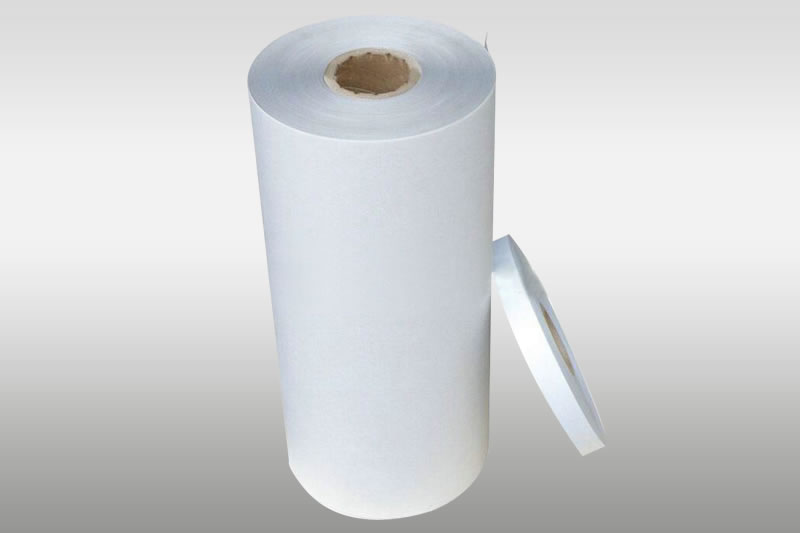
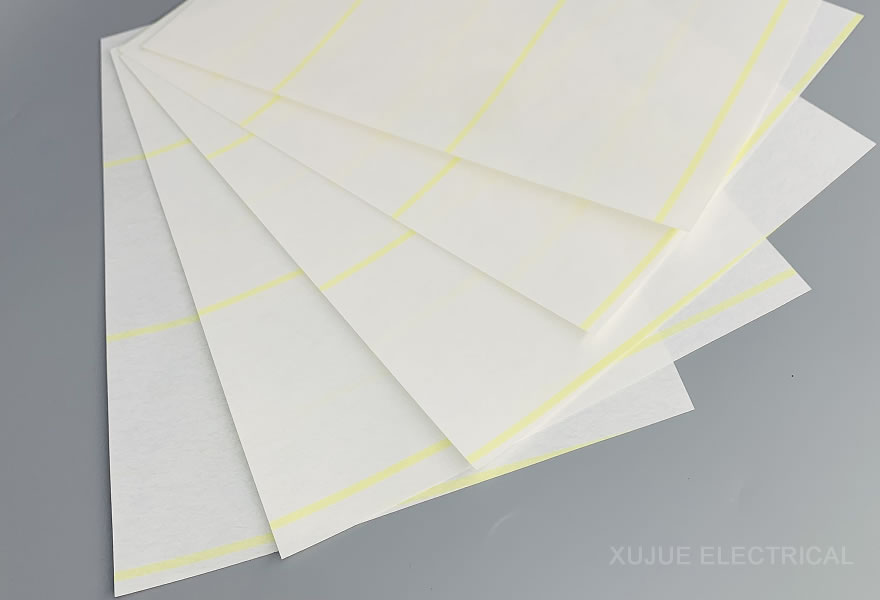
NMN insulation paper (standard designation 6640) is a three-layer flexible composite material made of a layer of polyester film (PET) sandwiched between two layers of DuPont Nomex aramid paper.
It combines the high-temperature resistance and tear resistance of Nomex paper with the high dielectric and mechanical strength of polyester film. It is one of the most essential insulation materials for Class F (155°C) to Class H (180°C) motor manufacturing and repair.
I. Key Performance Characteristics
Superior Mechanical Strength: Excellent fold resistance and toughness. It does not tear easily during stretching or stamping by automated winding machines.
Excellent Electrical Insulation: It maintains high dielectric strength even in high-temperature and high-humidity environments.
Good Varnish Compatibility: The surface Nomex paper absorbs insulating varnish quickly, enhancing overall insulation and heat dissipation.
Standard Thicknesses: Commonly available in thicknesses ranging from 0.15mm to 0.35mm, featuring a pale yellow color with a linear texture.
II. NMN Selection Requirements for Different Motors
NMN insulation paper thickness and grades must be strictly selected based on the motor’s power, operating environment, voltage rating, and manufacturing process:
1. General Three-Phase Induction Motors
Environment: Standard industrial settings, continuous operation, moderate heat generation.
Selection: Standard Class F (155°C) NMN is typically used.
Thickness Guide:
Small motors (under 1.5 kW): 0.15 mm — 0.20 mm
Medium motors (2.2 kW — 15 kW): 0.20 mm — 0.25 mm
Large motors (above 15 kW): 0.25 mm — 0.35 mm
2. Servo and Precision Stepper Motors
Environment: Compact size, high power density, frequent forward/reverse rotation, high instant overload.
Selection: Must use Class H (180°C) NMN with strict thickness tolerances to maximize slot fill factor.
Thickness Guide: Thin NMN options like 0.15 mm or 0.20 mm are preferred to ensure both insulation and space efficiency.
3. Variable Frequency Drive (VFD) Motors
Environment: Affected by high-frequency pulses (PWM) from the inverter, making the insulation prone to partial discharge (corona) and electrical aging.
Selection: Corona-resistant modified NMN is recommended. Alternatively, standard NMN can be thickened.
Thickness Guide: It is advised to increase the thickness by one step (e.g., upgrading from 0.20 mm to 0.25 mm) or use a double-layer layout.
4. High-Voltage Motors (Above 1000V)
Environment: High electric field intensity with strict requirements for breakdown voltage and phase insulation.
Selection: Thickened Class H NMN is required. It must be paired with aramid tape or mica tape at slot openings and phase-to-phase areas.
Thickness Guide: 0.30 mm — 0.35 mm, integrated into a multi-layer insulation system design.
5. Automotive Drive Motors (EVs/HEVs)
Environment: Constant operation at high temperatures above 150°C, high-speed vibrations, and immersion in cooling oil (for oil-cooled motors).
Selection: Specialized NMN that has passed ATF (Automatic Transmission Fluid) resistance tests is required. It must also feature extreme tear resistance for high-speed automated winding.
III. Critical Application Areas of NMN in Motors
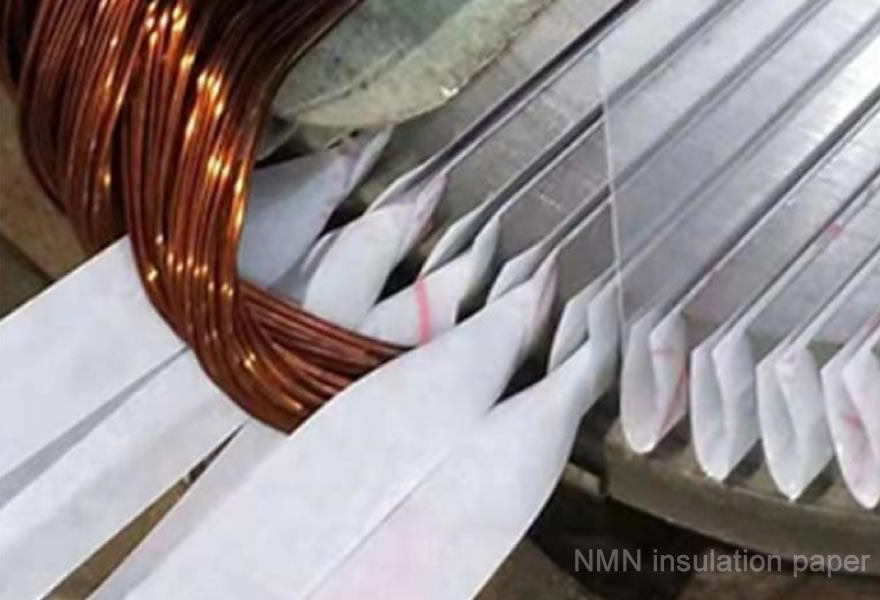
Slot Insulation: Placed inside the stator slots to isolate the core from the winding coils.
Slot Liner Extension: Extends outside the slot opening to prevent coils from being scratched by the sharp edges of the iron core during bending.
Phase Insulation: Used at the end windings to securely isolate the U, V, and W phase coil groups from each other.
Leave us a message to get quotation and sample!
If you are interested in our products,, please send us a message and we will contact you as soon as we receive it. Email: info@ztaero.com whatsApp: +8616650273778
Releated News
- 09-20 2026Motor Insulation Materials: B, F, H & EV Motor Guide
- 09-17 2026Oil-Immersed Transformer Winding Insulation Paper
- 09-16 2026GPO-3 Fiberglass Mat Sheet | UPGM-203 Electrical Insulation
- 09-14 2026G7 Silicone Fiberglass Laminate Sheet | Selection Guide & Manufacturer
- 09-11 2026Electrical Laminated Wood in Transformer Insulation Systems
- 09-09 2026Phenolic Laminated Sheets | Grades, Applications & CNC Machining