Motor Insulation Materials: B, F, H & EV Motor Guide
DMD, NMN, NHN, Nomex®, PI and PI/Aramid motor insulation materials for Class B, F, H and EV traction motor applications.
Insulation Material Requirements for Different Motor Classes
For insulation material suppliers, the requirements of different motor classes are not determined simply by the statement that “higher temperature resistance means better insulation material.” Material selection is a comprehensive consideration of thermal resistance, dielectric strength, mechanical strength, partial discharge and corona resistance, resistance to oil and coolant, and resistance to frequent thermal and electrical cycling.
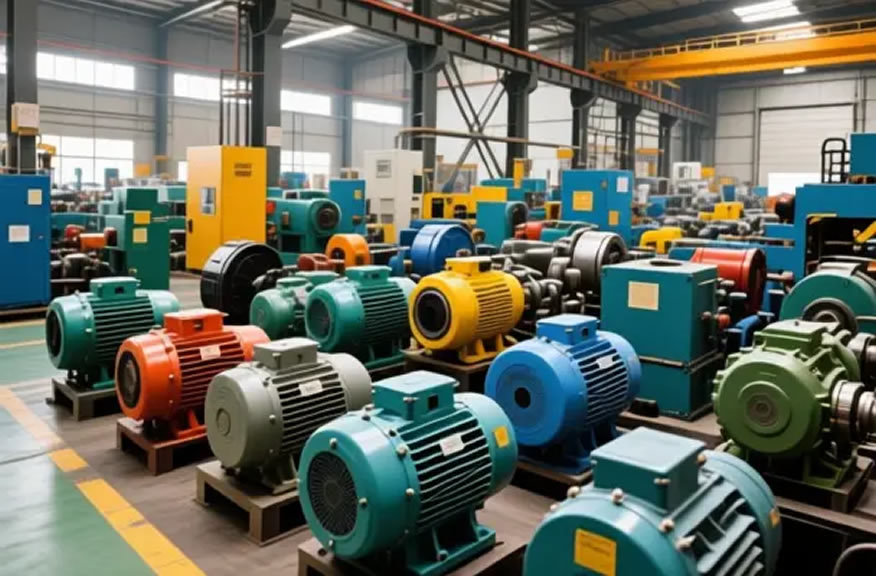
1. Insulation Material Requirements by Motor Insulation Class
| Motor Insulation Class | Thermal Class* | Typical Motor Applications | Typical Insulation Materials | Key Material Requirements |
|---|---|---|---|---|
| Class Y | 90°C | Legacy and low-duty small motors | Fibers, untreated paper, cotton, silk | Basic insulation performance, cost efficiency |
| Class A | 105°C | Small general-purpose motors | Treated paper, insulating paper, PET | Thermal resistance, moisture resistance |
| Class E | 120°C | Small industrial motors | PET, DMD and related composites | Thermal resistance, mechanical strength |
| Class B | 130°C | General-purpose industrial motors | DMD, PET-based composites | Thermal aging resistance, mechanical strength |
| Class F | 155°C | Industrial motors, inverter-duty motors | DMD, NMN, Nomex® | Thermal aging resistance, dielectric strength, mechanical strength |
| Class H | 180°C | High-performance motors, EV traction motors, compressors | NMN, NHN, Nomex®, PI | High-temperature resistance, impulse voltage resistance, long-term thermal aging |
| Class C | >180°C | Special high-temperature motors | PI, mica, ceramics and other high-temperature materials | Extreme-temperature resistance, electrical and environmental durability |
*The temperatures above represent conventional thermal-class values. The allowable operating temperature of an actual motor depends on the complete electrical insulation system, temperature rise, ambient conditions, hot-spot temperature, and applicable standards.
2. Key Factors That Actually Determine Insulation Material Selection
2.1 Thermal Resistance and Thermal Aging
Thermal performance is one of the fundamental considerations in insulation material selection.
Typical thermal classes include:
Class F: 155°C
Class H: 180°C
A Class F motor does not necessarily require every individual insulation component to be made from Class H materials.
However, EV traction motors typically operate with high power density, compact dimensions, and high rotational speeds. These characteristics can result in elevated local hot-spot temperatures and significant thermal cycling. Therefore, higher-performance insulation materials are often required.
The material selection should therefore consider not only the nominal thermal class, but also:
Long-term thermal aging
Thermal cycling
Thermal shrinkage
Dimensional stability
Retention of dielectric and mechanical properties after aging
2.2 Dielectric Strength and Electrical Stress
Motor insulation is exposed to more than conventional 50/60 Hz sinusoidal voltage.
In EV traction motors, the insulation system is subjected to voltage waveforms generated by the inverter, including:
High-frequency switching
PWM voltage
High dv/dt
Voltage overshoot and transient pulses
Therefore, insulation materials for EV motors require not only good thermal resistance but also:High dielectric strength and excellent resistance to impulse and repetitive pulse voltage.
Important parameters may include:
Dielectric breakdown strength
Breakdown voltage
AC withstand voltage
Impulse voltage resistance
Partial discharge resistance
2.3 Corona and Partial Discharge Resistance
Partial discharge (PD) and corona resistance are increasingly important in modern high-performance motors and represent a significant consideration for EV traction motor insulation systems.
This is particularly relevant to:800 V systems + SiC inverters + high-speed traction motors
High switching frequencies and high dv/dt can increase electrical stress within the insulation system and may accelerate insulation degradation.
Therefore, high-performance EV motor insulation systems may require:
Corona-resistant insulation
Partial-discharge-resistant insulation
High PD inception voltage (PDIV)
Long-term resistance to electrical aging
This is one of the reasons that higher-performance insulation systems may progress from conventional polyester-based materials toward:
PET → NMN → NHN → PI/Aramid
However, material selection should always be based on the performance of the complete electrical insulation system, rather than the nominal material type alone.
2.4 Mechanical Strength and Processability
Motor insulation materials must withstand not only operating conditions but also the mechanical stresses encountered during manufacturing and assembly.
Motor windings may be subjected to:
Centrifugal forces
Electromagnetic vibration
Thermal expansion and contraction
Bending and forming
Slot insertion forces
Abrasion during assembly
Mechanical stress during winding and forming processes
Therefore, insulation materials should be evaluated for:
Tensile strength
Tear strength
Elongation
Flexibility
Abrasion resistance
Edge strength
Folding and bending performance
This is particularly important for hairpin winding systems, where the insulation may be exposed to significant mechanical stress during conductor forming, insertion, twisting, and assembly.
3. Typical Insulation Material Systems for Different Motor Applications
The market can be broadly divided into the following application segments.
General-Purpose Small Motors
Typical thermal classes: Class A / E / B
Typical materials:PET/DMD/Conventional insulating paper
Primary requirements:Cost efficiency + basic electrical insulation performance
General-Purpose Industrial Motors
Typical thermal classes: Class B / F
Typical materials:DMD/NMN/PET film/Nomex®
Primary requirements:Thermal resistance + mechanical strength + dielectric strength
Inverter-Duty Industrial Motors
Typical thermal classes: Class F / H
Typical materials:NMN/NHN/PI-based composites
Additional attention should be given to:PWM pulse voltage + high dv/dt + partial discharge + electrical and thermal aging
EV Traction Motors
Typical thermal class: Class H and high-performance insulation systems
Typical materials:NHN/PI/Aramid composites/Nomex®/PI film
In addition to thermal resistance, EV traction motor insulation systems may require:
High-temperature resistance + repetitive impulse voltage resistance + partial discharge resistance + corona resistance + mechanical durability + resistance to oil and coolant
For high-voltage EV platforms, particularly those using high-frequency SiC inverters, the combined electrical, thermal, mechanical, and chemical stresses should be evaluated as part of the complete insulation system.
4. Insulation Material Selection by Motor Application
The following table provides a general indication of where commonly used insulation materials fit within different motor applications.
| Material | Class B | Class F | Class H | EV |
|---|---|---|---|---|
| PET Film | ★★★ | ★★★ | △ | △ |
| DMD | ★★★★★ | ★★★★★ | ★★ | ★★ |
| NMN | ★★★ | ★★★★★ | ★★★★★ | ★★★★ |
| NHN | △ | ★★★ | ★★★★★ | ★★★★★ |
| Nomex® Paper | △ | ★★★★ | ★★★★★ | ★★★★★ |
| PI Film | △ | ★★★★ | ★★★★★ | ★★★★★ |
| PI/Aramid Composite | △ | ★★★★ | ★★★★★ | ★★★★★ |
| Mica | △ | ★★★ | ★★★★★ | ★★★★ |
△ = Generally not a primary choice for the application.
The ratings above are intended as a general material-selection reference rather than a product certification or application guarantee. Actual suitability depends on the material construction, thickness, bonding system, manufacturing process, electrical stress, thermal environment, and qualification requirements of the complete motor insulation system.
Manufacturer consultation
Xujue Electrical is a professional manufacturer of composite electrical insulation materials for motors and transformers, with a history dating back to 1958.
We provide one-stop insulation material solutions for motor and transformer manufacturers. If you are looking for reliable motor insulation materials, we can recommend the most suitable materials based on your motor type, operating conditions, and specific application requirements.
We also offer free samples for testing and competitive quotations, helping you evaluate our materials before making a purchasing decision.
Leave us a message to get quotation and sample!
If you are interested in our products,, please send us a message and we will contact you as soon as we receive it. Email: info@ztaero.com whatsApp: +8616650273778
Releated News
- 09-20 2026Motor Insulation Materials: B, F, H & EV Motor Guide
- 09-17 2026Oil-Immersed Transformer Winding Insulation Paper
- 09-16 2026GPO-3 Fiberglass Mat Sheet | UPGM-203 Electrical Insulation
- 09-14 2026G7 Silicone Fiberglass Laminate Sheet | Selection Guide & Manufacturer
- 09-11 2026Electrical Laminated Wood in Transformer Insulation Systems
- 09-09 2026Phenolic Laminated Sheets | Grades, Applications & CNC Machining