G10 Epoxy Fiberglass Laminate: Raw Material Composition
Explore G10 epoxy laminate raw materials, including fiberglass cloth, epoxy resin, curing agents, material composition, and manufacturing processes.
Raw Material Composition of G10 Epoxy Fiberglass Laminate
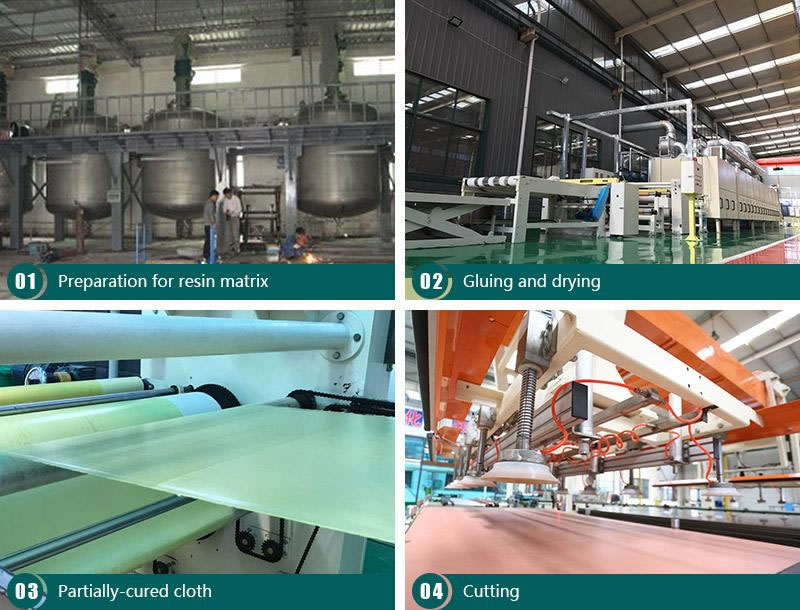
G10 epoxy fiberglass laminate, also known as G10 Epoxy Glass Cloth Laminate, is a high-performance electrical insulating material manufactured by impregnating woven glass fiber cloth with epoxy resin, followed by layering and high-temperature, high-pressure curing.
G10 is primarily composed of E-glass fiberglass cloth and epoxy resin, along with curing agents and small amounts of auxiliary additives.
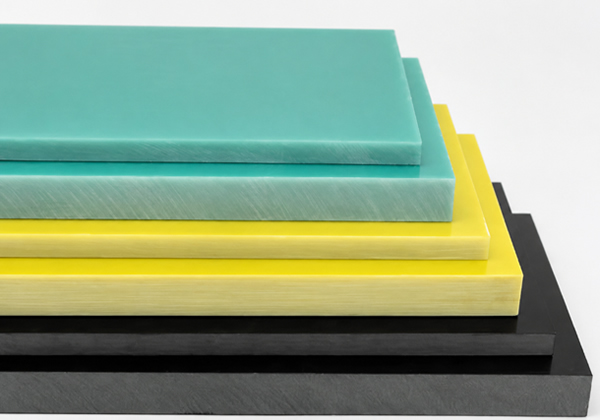 G10 epoxy fiberglass sheet
1. Main Raw Materials of G10 Epoxy Laminate
1. E-glass Fiberglass Cloth
Main reinforcing material
E-glass fiberglass cloth provides the mechanical strength and structural stability of G10 laminates.
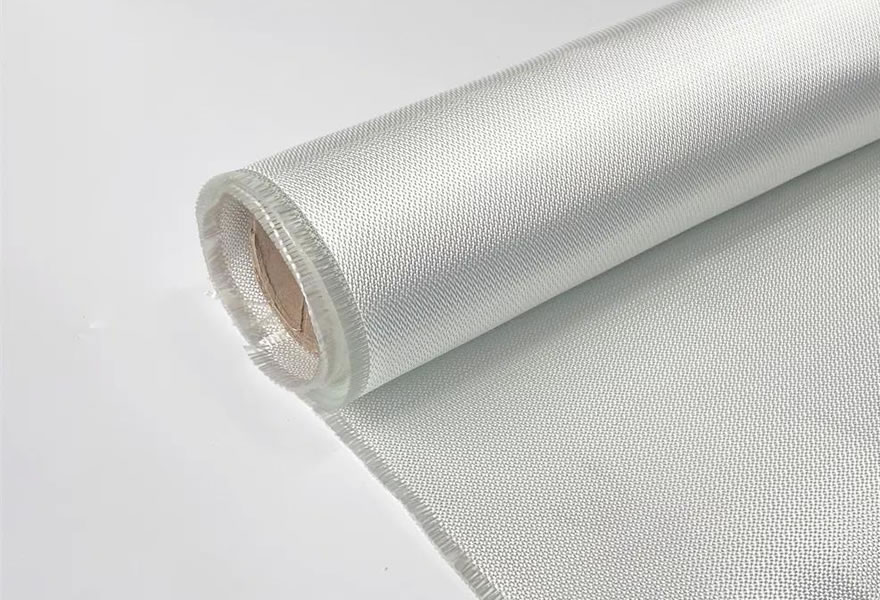
Its main functions include:
Providing mechanical strength and rigidity.
Improving dimensional stability.
Contributing to electrical insulation performance.
Reinforcing the overall laminate structure.
Plain weave and twill weave fiberglass fabrics are commonly used, depending on the required material properties and manufacturing process.
2. Epoxy Resin
Main bonding material
Epoxy resin acts as the bonding matrix that holds multiple layers of fiberglass cloth together.
Its main functions include:
Bonding fiberglass layers into a solid laminate.
Providing electrical insulation properties.
Improving chemical and moisture resistance.
Contributing to mechanical strength and thermal performance.
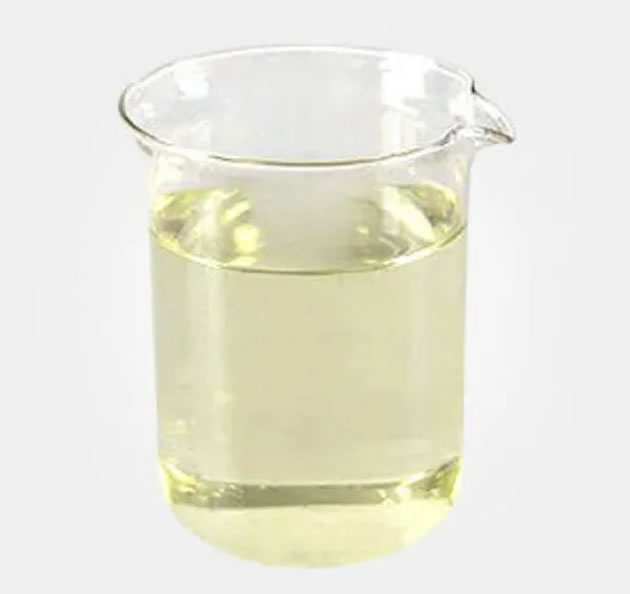
Bisphenol A-based epoxy resin is commonly used as a base resin for G10 manufacturing.
3. Curing Agent (Hardener)
Part of the curing system
Curing agents react with epoxy resin to form a cross-linked three-dimensional polymer structure.
Their main functions include:
Promoting epoxy resin curing.
Forming a rigid and stable material structure.
Improving mechanical strength.
Influencing heat resistance and curing performance.
Common curing systems include amine-based, anhydride-based, and other epoxy-compatible systems.
4. Silane Coupling Agent
Auxiliary material
Silane coupling agents improve the bonding interface between fiberglass and epoxy resin.
Their main functions include:
Improving adhesion between glass fibers and resin.
Enhancing interfacial bonding stability.
Improving moisture resistance.
Contributing to long-term material reliability.
In some manufacturing processes, silane treatment is already applied to the fiberglass cloth, so a separate addition to the resin formulation may not be necessary.
5. Accelerator
Auxiliary material
Accelerators are used to regulate the epoxy curing reaction.
Their main functions include:
Adjusting the curing speed.
Optimizing hot-pressing processes.
Improving manufacturing efficiency.
Not all G10 formulations require a separately added accelerator.
2. Typical Raw Material Proportions of G10
There is no single universal formulation for all G10 manufacturers. The actual composition depends on fiberglass specifications, resin content, laminate thickness, and manufacturing processes.
The following figures are approximate reference ranges for understanding the material composition, not mandatory standard requirements.
| Raw Material | Approximate Weight Percentage |
|---|---|
| Fiberglass cloth | 55%–65% |
| Epoxy resin and curing system | 35%–45% |
| Other additives | Generally included in the resin system |
Typical G10 Material Composition
As an illustrative example:
Fiberglass reinforcement: 60%
Epoxy resin system: 40%
These percentages represent an approximate weight ratio. Actual proportions may vary depending on the product design and manufacturing requirements.
3. What Is the Difference Between G10 and FR4 Raw Materials?
G10 and FR4 are both glass-fiber-reinforced epoxy laminates. Their basic material structures are similar, but their flame-retardant requirements differ.
| Comparison | G10 epoxy sheet | FR4 epoxy sheet |
|---|---|---|
| Reinforcement | E-glass fiberglass cloth | E-glass fiberglass cloth |
| Base resin | Epoxy resin | Epoxy resin |
| Curing system | Selected according to formulation | Selected according to formulation |
| Flame-retardant design | Generally not required | Designed to meet flame-retardant requirements |
| Flame rating | Not necessarily flame-retardant | Commonly available with UL 94 V-0 rating |
| Main applications | Electrical insulation and mechanical components | PCB substrates, electrical insulation and machined components |
The key difference is that FR4 uses a flame-retardant epoxy resin formulation, whereas standard G10 does not necessarily have the same flame-retardant properties.
Specific UL 94 ratings and certifications should always be verified against the relevant product documentation.
4. How Do Raw Materials Affect G10 Performance?
The quality and composition of raw materials directly influence the mechanical, electrical, and thermal properties of finished G10 laminates.
| Performance Property | Main Influencing Factors |
|---|---|
| Flexural strength | Fiberglass quality and resin bonding |
| Tensile strength | Glass fiber strength and fabric structure |
| Dielectric strength | Resin quality, fiberglass quality and internal defects |
| Heat resistance | Resin formulation and curing degree |
| Water absorption | Resin system, interfacial bonding and porosity |
| Interlaminar bonding strength | Resin impregnation and hot-pressing process |
| Dimensional stability | Fiberglass structure, resin content and curing process |
Contact G10 Epoxy Fiberglass Laminate Manufacturer
Xujue Electrical is a professional manufacturer of G10 epoxy fiberglass laminates, providing high-quality insulation materials and customized solutions for industrial electrical applications.
We supply G10 epoxy fiberglass sheets and precision CNC-machined insulation components according to customer specifications, drawings, or samples.
Whether you need standard G10 sheets or custom-machined components, our team is ready to support your project with reliable products and professional manufacturing services.
Leave us a message to get quotation and sample!
If you are interested in our products,, please send us a message and we will contact you as soon as we receive it. Email: info@ztaero.com whatsApp: +8616650273778
Releated News
- 11-05 2026G10 Epoxy Fiberglass Laminate: Raw Material Composition
- 11-03 2026How EV Motor Manufacturers Choose Composite Insulation Materials
- 10-29 2026Xujue Electrical to Exhibit at Power GRIDS 2026 in Moscow, Russia
- 10-28 2026Bakelite Sheet Standards & Types
- 10-26 2026Transformer Crepe Paper Specifications and Selection Guide
- 10-23 2026G10, FR4 & G11 Epoxy Sheets: Standard Sizes & Max Thickness