2026 Global Transformer Boom Fuels Rising Demand for Electrical Insulation materials
Impact of the 2026 Global Transformer Demand Surge on Electrical Insulation Boards and Insulation Paper
The sharp increase in global transformer demand in 2026 — driven by AI data centers, grid modernization, renewable energy integration, and aging infrastructure replacement — is expected to significantly boost demand for electrical insulation boards and insulation paper.
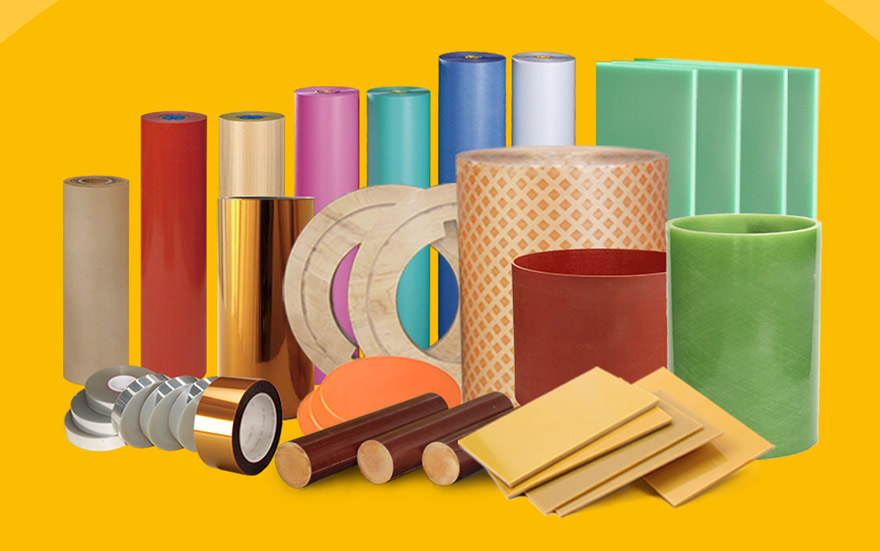
Because insulation materials are essential components of every transformer, growth in transformer production translates almost directly into increased insulation consumption.
Transmission Mechanism: Why Insulation Demand Rises in Parallel
A transformer’s insulation system typically includes:
Structural insulation: epoxy fiberglass sheet (G10, G11), end rings, spacers
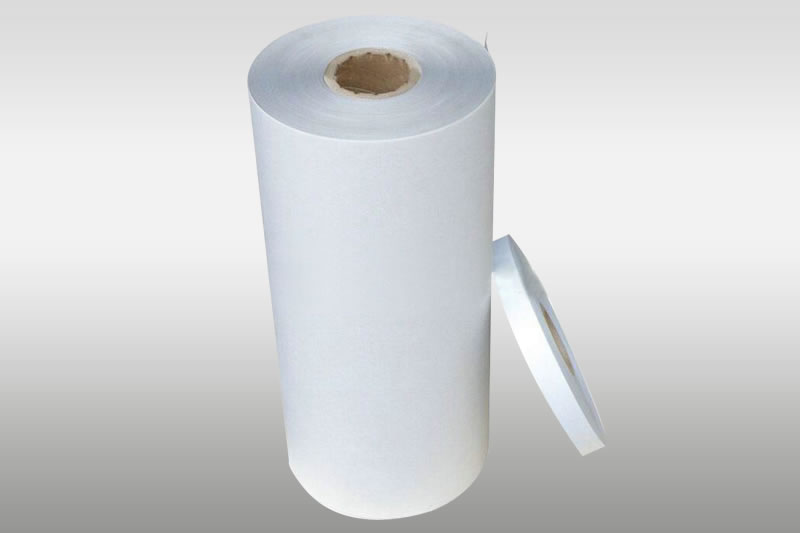
Winding insulation: electrical insulation paper, crepe paper, NMN/DMD composites
High-temperature insulation: aramid paper (e.g., Nomex type materials)
Liquid insulation: transformer oil
If global transformer output rises by 30%, insulation material demand generally increases by roughly 25–35%, depending on product mix.
Importantly, higher-spec transformers consume more high-performance insulation per unit, creating a structural upgrade effect.
Impact on Electrical Insulation Boards
Epoxy Fiberglass Laminates (G10 / G11)
Main applications:
Dry-type transformer structural supports
High-voltage clamping systems
Insulating frames and end rings
Expected Effects:
Demand Growth
Dry-type transformers (widely used in data centers and renewable installations) require more structural insulation boards than oil-filled units.
Shift Toward Higher Grades
F-class and H-class temperature resistance
Higher CTI (Comparative Tracking Index)
Lower water absorption
G11 and high-temperature laminates are likely to grow faster than standard FR4-grade materials.
Pricing Pressure
Increased consumption of fiberglass cloth and epoxy resin may tighten supply and lift prices, particularly for high-grade laminates.
Impact on Insulation Paper
The demand effect on insulation paper may be even more pronounced than on insulation boards.
(A) Electrical Kraft Paper (Cellulose-Based)
Core insulation for oil-immersed transformers
Large volume consumption per unit
Impact:
Strong volume growth aligned with medium- and high-voltage transformer expansion
Potential for temporary supply tightness
Moderate pricing support
This segment is volume-driven but relatively mature.
(B) Aramid Paper (High-Temperature Grade)
Used in:
Dry-type transformers
F/H class insulation systems
Data center transformers
As AI-related infrastructure expands, high-temperature transformers become more common.
(C) NMN / DMD Composite Insulation
Used for:
Layer insulation in windings
Both transformer and motor applications
Demand will grow proportionally with transformer production, though margins remain moderate unless specialty grades are involved.
Structural Upgrade: More Important Than Pure Volume
This demand surge is not purely cyclical — it reflects structural changes in the power sector:
Higher voltage transmission
Greater thermal stress
Stricter fire safety standards
Longer design life requirements
As a result:
| Dimension | Trend |
|---|---|
| Temperature rating | Increasing |
| Voltage level | Increasing |
| Fire resistance | Stricter |
| Reliability expectations | Higher |
High-performance insulation boards and high-temperature insulation paper will grow faster than standard-grade materials.
Conclusion
The 2026 global transformer boom is likely to:
Increase overall demand for insulation boards and insulation paper
Accelerate the shift toward higher-performance materials
Improve pricing power in premium insulation segments
Strengthen long-term structural growth in the insulation materials industry
The key opportunity lies not just in higher volumes, but in the upgrade toward high-temperature, high-reliability insulation systems.
Leave us a message to get quotation and sample!
If you are interested in our products,, please send us a message and we will contact you as soon as we receive it. Email: info@ztaero.com whatsApp: +8616650273778
Releated News
- 09-14 2026G7 Silicone Fiberglass Laminate Sheet | Selection Guide & Manufacturer
- 09-11 2026Electrical Laminated Wood in Transformer Insulation Systems
- 09-09 2026Phenolic Laminated Sheets | Grades, Applications & CNC Machining
- 09-08 2026Epoxy fiberglass Sheet Weight Calculation Formula
- 09-07 2026FR4 Epoxy Sheet for CNC Machining: Thickness Selection & Purchasing Guide
- 09-03 2026Black Bakelite Sheet: Introduction & Sourcing Selection Guide