G11 Epoxy Glass Laminate FAQ
G11 Epoxy Glass Laminated FAQ: Definition, Specifications, Applications, Procurement Selection, Manufacturer Consultation, etc
1. What is G11 Epoxy Glass Laminate?
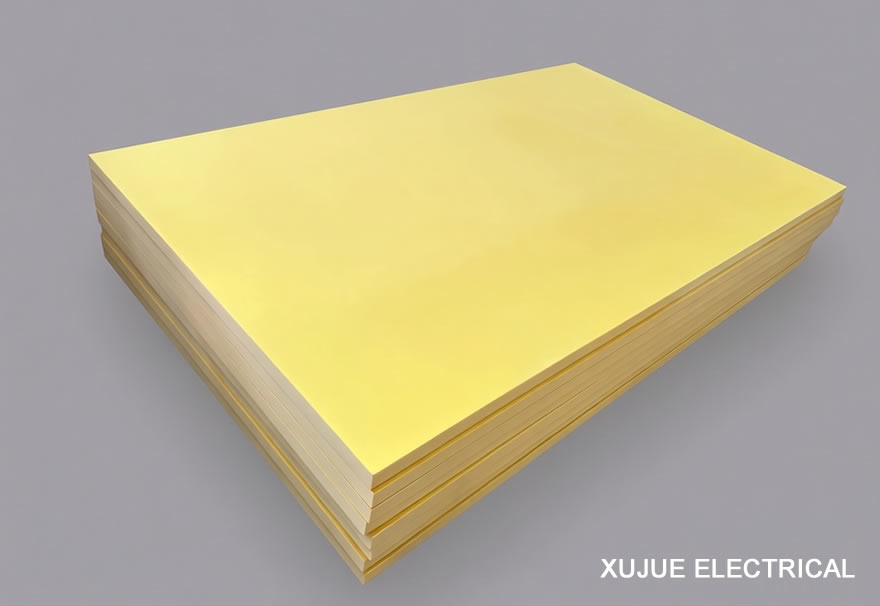
G11 Epoxy Glass Laminate is a high-performance electrical insulating material made from woven glass fabric impregnated with epoxy resin and cured under high temperature and pressure.
G11 offers excellent electrical insulation, mechanical strength, heat resistance, dimensional stability, and moisture resistance. It is widely used in transformers, motors, generators, switchgear, and other high-temperature electrical equipment.
2. What is the temperature rating of G11?
G11 is typically classified as a Class F insulation material with a temperature rating of 155°C.
However, the actual continuous operating temperature depends on the specific material grade, manufacturing process, operating environment, and application conditions. For applications with strict temperature requirements, customers should refer to the manufacturer’s technical specifications and test data.
3. What is the difference between G11 and G10?
G10 and G11 are both glass-fabric reinforced epoxy laminates. The main difference is their thermal performance.
| Property | G10 | G11 |
|---|---|---|
| Base Material | Glass Fabric + Epoxy Resin | Glass Fabric + Epoxy Resin |
| Typical Temperature Rating | 130°C | 155°C |
| Electrical Insulation | Excellent | Excellent |
| Mechanical Strength | High | High |
| Heat Resistance | Good | Better |
| Typical Applications | General Electrical Insulation | High-Temperature Electrical Insulation |
G11 is generally preferred for applications requiring higher temperature resistance than G10.
4. What is the difference between G11 and FR4?
G11 and FR4 are both glass-fabric reinforced epoxy laminates, but they are generally used for different applications.
FR4 is widely used in PCBs, electronic equipment, and general electrical insulation applications.
G11 is more commonly selected for applications requiring higher thermal performance and good mechanical strength.
Therefore, G11 should not simply be considered “better” than FR4. Material selection should be based on the required operating temperature, electrical properties, mechanical properties, and application conditions.
5. Can G11 Epoxy Glass Laminate be used in transformers?
Yes.
G11 can be used for various insulating and structural components in transformers, including:
Insulating blocks
Insulating supports
Insulating barriers
Clamping plates
Insulating spacers
Washers
Structural insulation components
For oil-immersed transformers, compatibility with transformer oil, operating temperature, and the electrical insulation system should be verified according to the specific application.
6. Can G11 be used in motors?
Yes.
G11 provides good mechanical strength and heat resistance and can be used in motors and generators for:
Insulating supports
Structural insulation components
End insulation components
Spacers
Insulating barriers
Coil support components
The material should be selected according to the motor’s temperature class, insulation system, and mechanical load requirements.
7. What are the electrical insulation properties of G11?
G11 has excellent electrical insulation properties, including:
High dielectric strength
High insulation resistance
Good dielectric properties
Good arc resistance
Excellent dimensional stability
These properties make G11 suitable for electrical insulation applications in industrial equipment.
Actual electrical performance may vary depending on material thickness, resin content, glass fabric structure, moisture absorption, and test standards.
8. Does G11 absorb water?
G11 has low water absorption and good moisture resistance, but it should not be considered completely waterproof.
For applications involving high humidity, prolonged exposure to water, or underwater conditions, the material’s water absorption, insulation performance, and environmental resistance should be evaluated.
9. Can G11 be machined?
Yes.
G11 can be machined using conventional machining methods, including:
Cutting
Drilling
Milling
Turning
Grinding
CNC machining
Because G11 contains glass fibers, machining may generate glass-fiber dust and cause increased tool wear. Suitable carbide tools, dust extraction, and appropriate personal protective equipment are recommended.
10. Can G11 be CNC machined into custom parts?
Yes.
G11 can be CNC machined according to the customer’s 2D drawings, 3D models, or samples.
Common custom-machined G11 components include:
G11 insulating washers
G11 insulating sleeves
G11 insulating brackets
G11 insulating flanges
G11 insulating plates
Custom G11 structural components
For machined parts, customers are recommended to provide drawings, material requirements, dimensional tolerances, and required quantities.
11. What thicknesses are available for G11?
G11 Epoxy Glass Laminate is available in a wide range of thicknesses.
Common thicknesses include:
0.5 mm, 1 mm, 1.5 mm, 2 mm, 3 mm, 5 mm, 10 mm, 15 mm, 20 mm, and thicker sizes.
The available thickness range depends on the manufacturer’s production capabilities.
12. What sheet sizes are available for G11?
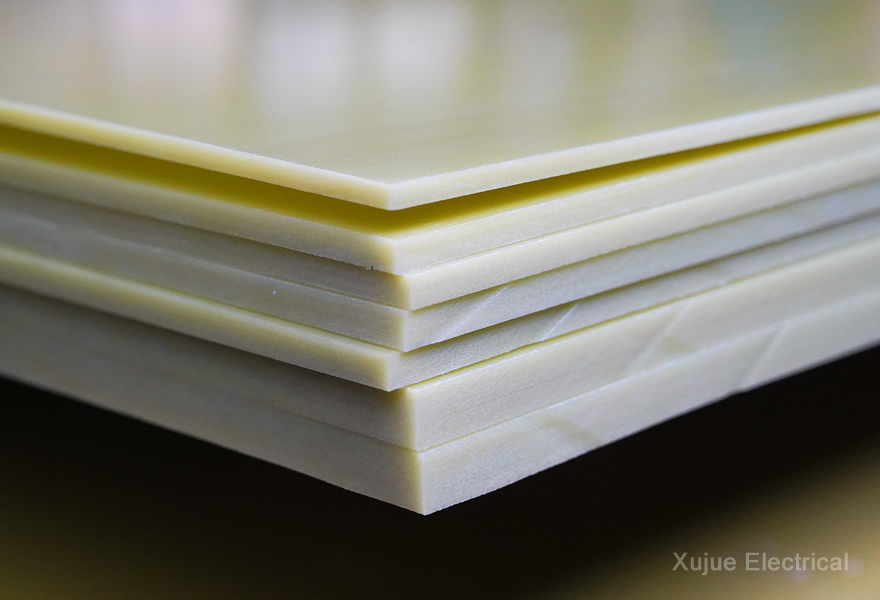
Common G11 sheet sizes include:
1020 × 1220 mm
1220 × 2440 mm
1000 × 2000 mm
Customized sizes
Custom cutting can also be provided according to customer requirements.
13. What color is G11 Epoxy Glass Laminate?
G11 is commonly available in natural, light yellow, yellow-green, or green, depending on the manufacturer and material grade.
Color should not be used as the primary method for identifying G11. Customers should focus on the material grade, standard, thickness, performance specifications, and test reports.
14. Is G11 flame retardant?
This depends on the specific material formulation and grade.
Standard G11 should not automatically be assumed to have a specific flame-retardant rating. If the application requires UL 94 V-0 or another flame-retardancy standard, this requirement should be clearly specified when placing an inquiry.
The supplier should provide relevant test data or certification when required.
15. Can G11 be used outdoors?
Yes, G11 can be used in certain outdoor electrical and industrial applications.
However, outdoor applications may involve:
UV exposure
Moisture
Rain
Temperature fluctuations
Chemical contamination
Corrosive environments
For long-term outdoor applications, the appropriate material grade and surface protection should be evaluated according to the actual operating environment.
16. Is G11 resistant to high temperatures?
Yes.
Compared with standard G10, G11 generally provides better high-temperature performance and is typically associated with a 155°C temperature class.
Therefore, G11 is commonly selected for electrical equipment such as motors, transformers, and generators where higher operating temperatures are expected.
17. Can G11 withstand high voltage?
G11 has excellent electrical insulation properties and can be used as an insulating structural material in high-voltage electrical equipment.
However, the voltage that a G11 component can withstand cannot be determined from the material name alone. It also depends on:
Material thickness
Creepage distance
Clearance distance
Electrode configuration
Operating frequency
Humidity
Temperature
Applicable test standard
For high-voltage applications, material selection should be evaluated together with the overall electrical insulation design.
18. What are the main applications of G11?
G11 is widely used in:
Power Equipment
Transformers
Reactors
Switchgear
High-voltage electrical equipment
Motors and Generators
Motors
Generators
Large electrical machines
Motor and generator insulation components
Industrial Equipment
Insulating brackets
Insulating washers
Insulating sleeves
Structural insulation components
19.G11 epoxy sheet Manufacturers FAQ:
Do you have UL, SGS, ISO 9001, or other relevant certifications?
UL Certification: This typically refers to the product passing the testing and certification of relevant standards by Underwriters Laboratories (UL), proving that the material meets the corresponding safety, flame retardancy, and electrical insulation requirements under specified usage conditions. Therefore, it is recommended to confirm the UL File Number, product model, and corresponding thickness/flame retardancy rating when purchasing.
SGS Test Report: Third-party testing reports can be provided upon customer request to verify the physical, electrical, and environmental performance of the product.
ISO 9001 Certification: This is a quality management system certification for enterprises, mainly proving that the manufacturer has established and operates a quality management system that complies with ISO 9001 requirements. It is not a product certification for a specific G11 sheet material.
RoHS/REACH: If the product is used in the European market or the electronics and electrical industries, RoHS/REACH environmental certification is required.
20. How do I choose the right G11 Epoxy Glass Laminate?
When selecting G11, customers should provide at least the following information:
Material grade
Thickness
Length × Width
Required quantity
Operating temperature
Operating environment
Application
Electrical performance requirements
Mechanical performance requirements
Required standard
For example:G11 Epoxy Glass Laminate, 3.0 mm × 1220 × 2440 mm, Class F, for transformer insulation, 500 kg.
Providing this information allows the manufacturer to recommend the appropriate material and provide an accurate quotation.
Leave us a message to get quotation and sample!
If you are interested in our products,, please send us a message and we will contact you as soon as we receive it. Email: info@ztaero.com whatsApp: +8616650273778
Releated News
- 10-16 2026Epoxy Fiberglass Laminates in Europe: Trends & Applications
- 10-13 2026How to Choose DDP Insulation Paper for Oil-Immersed Transformers?
- 10-12 2026FR4 Epoxy Fiberglass Sheets for CNC Machining Factories
- 10-10 2026Transformer Pressboard
- 10-09 2026Epoxy Fiberglass Filament-Wound Tubes for Transformer Core Winding Insulation
- 09-28 2026Transformer Kraft Paper vs. Thermally Upgraded Paper