Types of Transformer Interlayer Insulation materials
Compare the best transformer interlayer insulation materials. From cost-effective DDP to high-performance Nomex and FR4 rigid laminates, find the right solution for Class A to C...
Interlayer insulation materials for transformers come in various types, and the choice depends primarily on the transformer type (oil-immersed or dry-type), operating temperature class, and mechanical strength requirements.
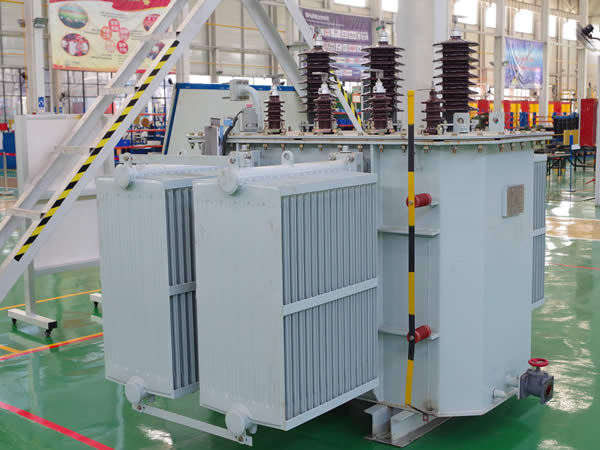
The following are the common types of interlayer insulation materials and their characteristics:
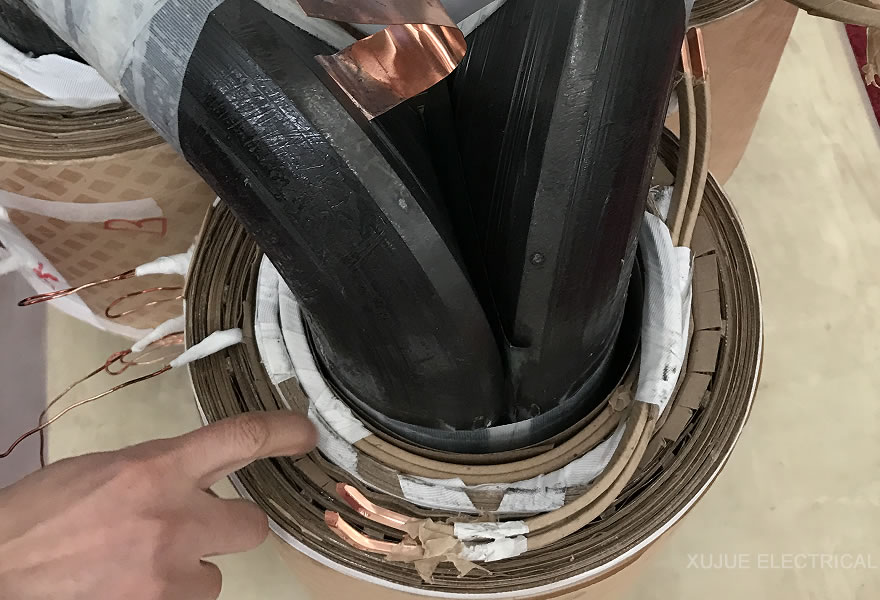
1. Cellulose and Paper-Based Insulation (Commonly used in Oil-Immersed Transformers)
These materials are used in conjunction with transformer oil, offering excellent oil permeability and cost-effectiveness.
Electrical Pressboard: Made from pure cellulose, it provides superior mechanical and dielectric strength. It is the core insulation component for oil-immersed power transformers.
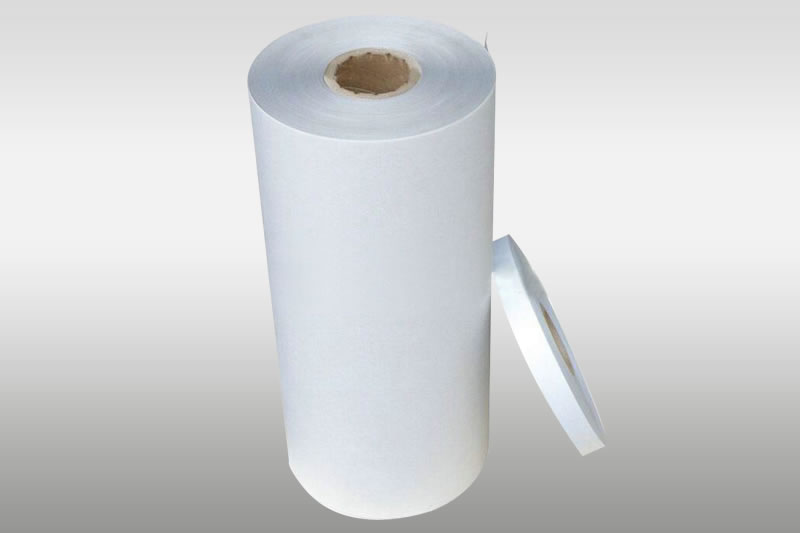
Diamond Dotted Paper (DDP): Insulation paper coated with diamond-shaped epoxy resin dots. During winding drying, the resin melts to bond the layers, enhancing the winding’s short-circuit resistance.
Kraft Paper / Cable Paper: Commonly used for interlayer wrapping or as basic insulation in small transformers.
2. Synthetic Fiber Insulation (Commonly used in Dry-Type or Special Transformers)
These materials typically offer high thermal resistance (Class F or H).
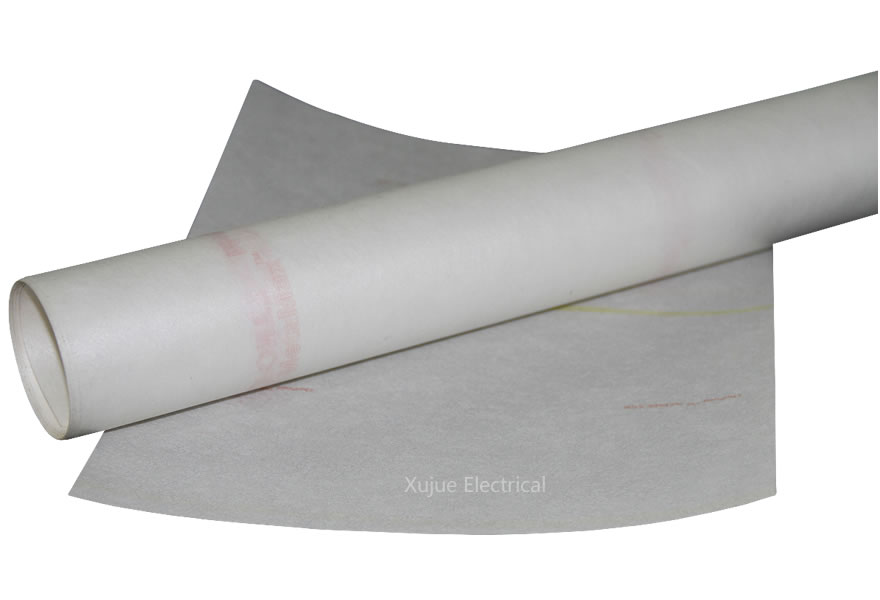
Nomex® Paper (Aramid Paper): Features excellent thermal stability (up to 220°C) and chemical stability. It is the standard for Class H dry-type transformers.
Composite Insulation (DMD / NMN / NHN):
DMD: A composite of polyester film and non-woven fabric; cost-effective and used for low-voltage interlayer insulation.
NMN: A composite of polyester film and Nomex, typically rated for Class F.
NHN: A composite of polyimide film and Nomex, offering extreme temperature and mechanical performance for premium Class H applications.
3. Rigid Laminates (Used for Structural Parts or Core Barriers)
These materials provide high physical strength, serving both as support and insulation.
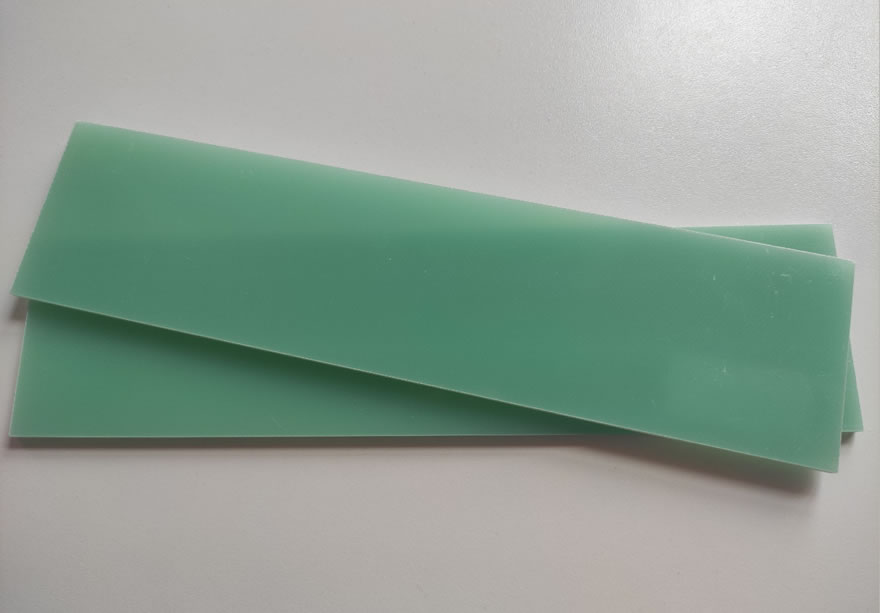
FR4 / G10 / G11 Epoxy Glass Cloth Laminates: Extremely high mechanical strength with a wide temperature range (G11 up to 180°C). They are used for core insulation, spacers, or support strips in dry-type transformers.
3240 Epoxy Board: The traditional yellow epoxy board; cost-effective for general insulation where flame retardancy is not a critical requirement.
Electrical Laminated Wood: Offers good dielectric strength and excellent vibration resistance; commonly used for pressure plates and supports in large power transformers.
4. Film-Based Insulation
Polyester Film (PET Film): A typical Class E insulation, often used in small electronic transformers or as the center layer in composite materials.
Polyimide Film (PI Film): Provides outstanding thermal performance, used for ultra-thin interlayer insulation in high-performance transformers.
Core Comparison Table
| Material Type | Common Names | Thermal Class | Typical Applications |
| Cellulose | Pressboard, DDP | Class A (105°C) | Oil-immersed & Distribution transformers |
| Synthetic | NMN/NHN,Nomex | Class F/H (155/180°C),220°C | Dry-type & Traction transformers |
| Laminates | FR4, G11,G7 | Class B/F/H | Structural parts, Core insulation, High-perf barriers |
Leave us a message to get quotation and sample!
If you are interested in our products,, please send us a message and we will contact you as soon as we receive it. Email: info@ztaero.com whatsApp: +8616650273778
Releated News
- 09-20 2026Motor Insulation Materials: B, F, H & EV Motor Guide
- 09-17 2026Oil-Immersed Transformer Winding Insulation Paper
- 09-16 2026GPO-3 Fiberglass Mat Sheet | UPGM-203 Electrical Insulation
- 09-14 2026G7 Silicone Fiberglass Laminate Sheet | Selection Guide & Manufacturer
- 09-11 2026Electrical Laminated Wood in Transformer Insulation Systems
- 09-09 2026Phenolic Laminated Sheets | Grades, Applications & CNC Machining