NHN Insulation Paper in Electric Vehicle Motors | Applications & Selection Guide
NHN insulation paper offers Class H thermal endurance for electric vehicle motors. Learn its applications in stator slot, phase insulation, and selection guidelines for high-per...
Application of NHN Insulation Paper in Electric Vehicle Motors
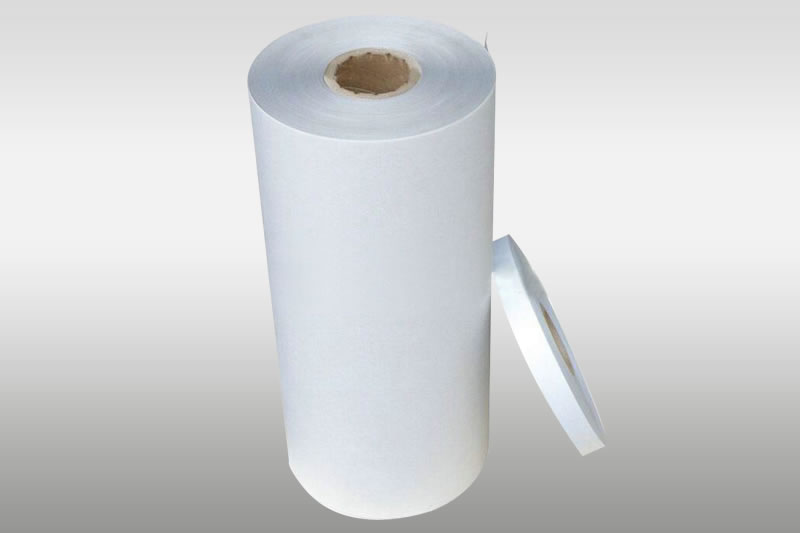
As electric vehicles (EVs) continue to evolve toward higher voltage platforms (400V / 800V), higher rotational speeds, and higher power density, traction motor insulation systems are subjected to high temperatures, high-frequency PWM voltage stress, strong vibration, and frequent start–stop cycles. NHN insulation paper (Nomex–Polyimide–Nomex composite) has become one of the key insulation materials used in high-performance EV motors due to its Class H and above thermal endurance and long-term stability.
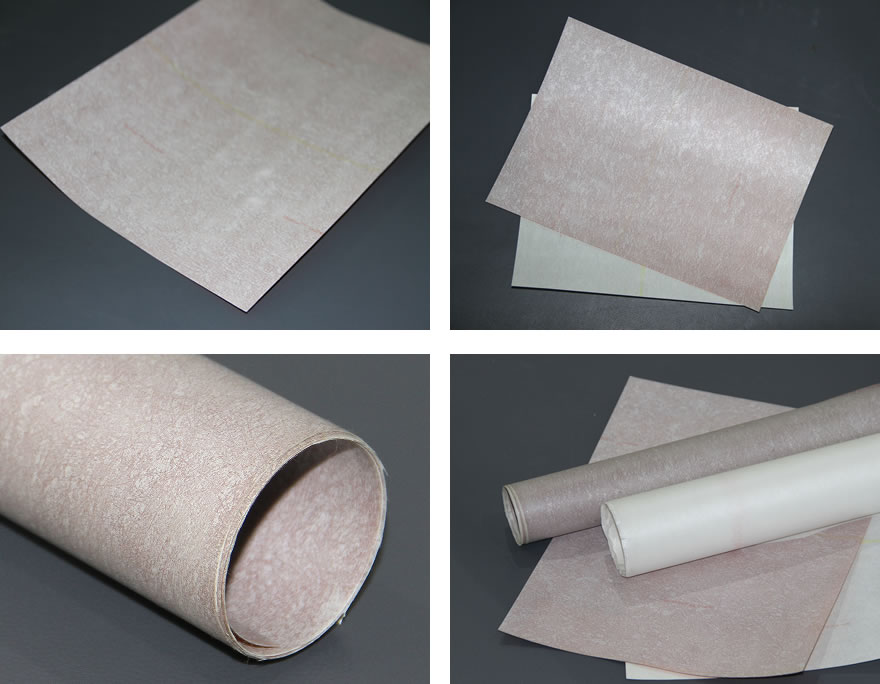
1. Core Insulation Requirements for EV Motors
Compared with conventional industrial motors, EV traction motors impose much stricter requirements on insulation materials:
Long-term high-temperature operation (winding temperatures up to 160–180°C)
High dv/dt and voltage spikes caused by inverter-driven PWM control
Mechanical stress and vibration under high-speed operation
Frequent start–stop cycles and transient overload conditions
Demands for compact size, lightweight design, and long service life
Under these conditions, Class B or Class F insulation materials can no longer ensure reliable lifetime performance.

2. Main Application Areas of NHN in EV Motors
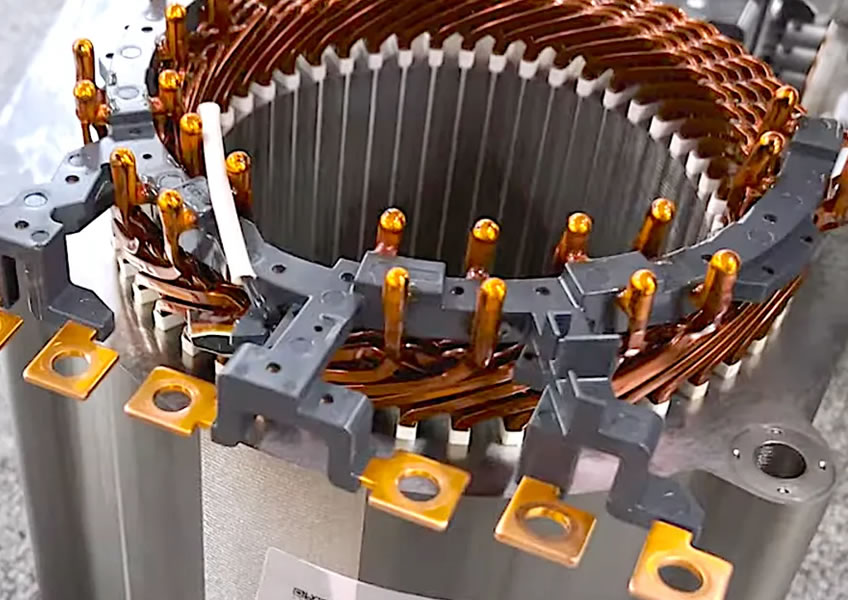
Stator Slot Insulation
Installed between the stator core and windings, where thermal and mechanical stresses are highest
NHN provides excellent thermal resistance and tear strength, effectively preventing insulation aging, damage, and electrical breakdown
Suitable for high-speed motors and high slot fill factor designs
Phase-to-Phase Insulation
Used to separate different phase windings
Under high dv/dt PWM environments, NHN significantly reduces the risk of phase-to-phase breakdown and partial discharge
Interlayer / Turn Insulation
Applied in compact, high power-density winding structures
Provides reliable electrical insulation in limited space, enhancing overall dielectric strength
End-Winding Insulation and Reinforcement
Reinforces and stabilizes end windings
Reduces vibration-induced fatigue and structural loosening during high-speed operation
3. Advantages of NHN over Other Insulation Papers in EV Motors
| Material | Thermal Class | Suitability for EV Motors |
|---|---|---|
| DMD | Class B / F | Entry-level or auxiliary applications |
| NMN | Class F / H | Mid-range EV motors |
| NHN | Class H and above | High-performance / high-voltage EV motors |
NHN demonstrates outstanding performance in thermal lifetime, vibration resistance, and high-frequency electrical stress tolerance, making it particularly suitable for 800V platforms and high-speed hairpin motors.
4. Selection Guidelines for NHN in EV Motors
Thermal Class Matching
EV traction motors are typically designed with Class H or higher insulation systems
NHN provides an ideal match for long-term thermal endurance requirements
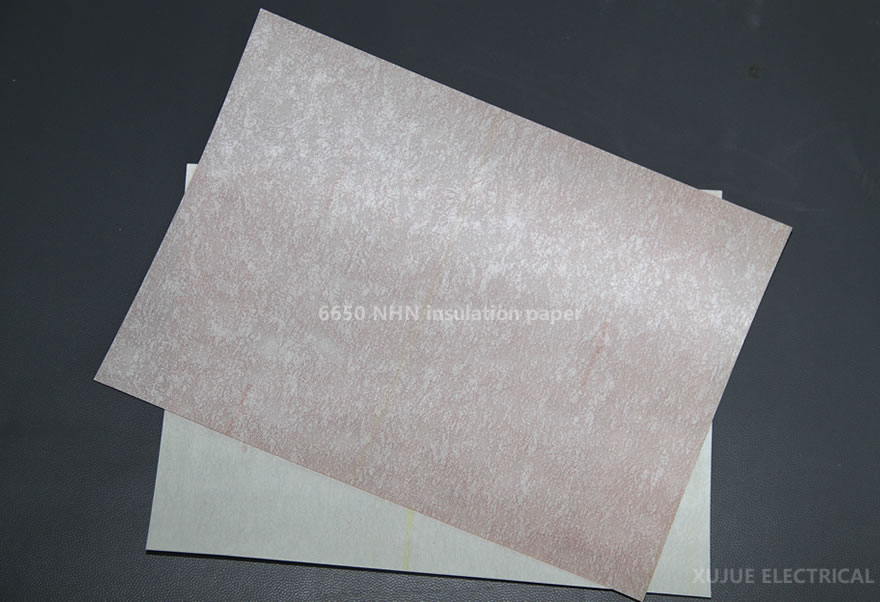
Typical Thickness Range
Slot insulation: 0.15 / 0.18 / 0.20 mm
Phase insulation: 0.18 / 0.20 / 0.25 mm
Final thickness selection should be based on slot geometry, voltage level, and slot fill factor.
Process Compatibility
Suitable for automatic slot paper insertion and high-speed winding processes
Compatible with VPI (Vacuum Pressure Impregnation) and various insulation resin systems
Well suited for mass production and automated motor manufacturing lines
5. Application Trends
Rapidly increasing adoption in 800V high-voltage EV platforms
Widely used in high-speed, high power-density hairpin motors
Gradually becoming a standard insulation solution for premium and performance EV models
6. Conclusion
The application of NHN insulation paper in electric vehicle motors is a technically justified response to high temperature, high voltage, high-frequency electrical stress, and strong vibration. Its use in critical areas such as stator slot insulation, phase insulation, and end-winding reinforcement significantly enhances motor safety, reliability, and service life, making NHN an essential insulation material for next-generation EV traction systems.
7. Manufacturer selection
The insulation material for motor NHN must be selected from the source manufacturer,
XUJUE ElECTRICAL is a professional manufacturer of high-quality electrical insulation materials with more than 65 years of manufacturing experience. The products have passed UL,RoHS,SGS,MSDS,CEMT testing and certification.
If you are looking for motor insulation paper, please contact Xujue Electrical and provide the product specifications, thickness and purpose you need, you can get detailed product information and quotation, and also send samples free of charge
Leave us a message to get quotation and sample!
If you are interested in our products,, please send us a message and we will contact you as soon as we receive it. Email: info@ztaero.com whatsApp: +8616650273778
Releated News
- 09-11 2026Electrical Laminated Wood in Transformer Insulation Systems
- 09-09 2026Phenolic Laminated Sheets | Grades, Applications & CNC Machining
- 09-08 2026Epoxy fiberglass Sheet Weight Calculation Formula
- 09-07 2026FR4 Epoxy Sheet for CNC Machining: Thickness Selection & Purchasing Guide
- 09-03 2026Black Bakelite Sheet: Introduction & Sourcing Selection Guide
- 09-02 2026G11 Epoxy Glass Laminate FAQ