FR4 Epoxy Sheet Development Trends
FR4 Epoxy Sheet Development Trends: Advancing Toward Hi […]
FR4 Epoxy Sheet Development Trends:
Advancing Toward High-Performance Insulation Standards
Driven by the rapid expansion of global power infrastructure, renewable energy systems, and advanced manufacturing, FR4 epoxy glass fiber laminate is entering a new phase of technological evolution and market growth. Widely used in transformers, switchgear, rail transit, and electronic equipment, FR4 is becoming a key material shaping the future of electrical insulation.
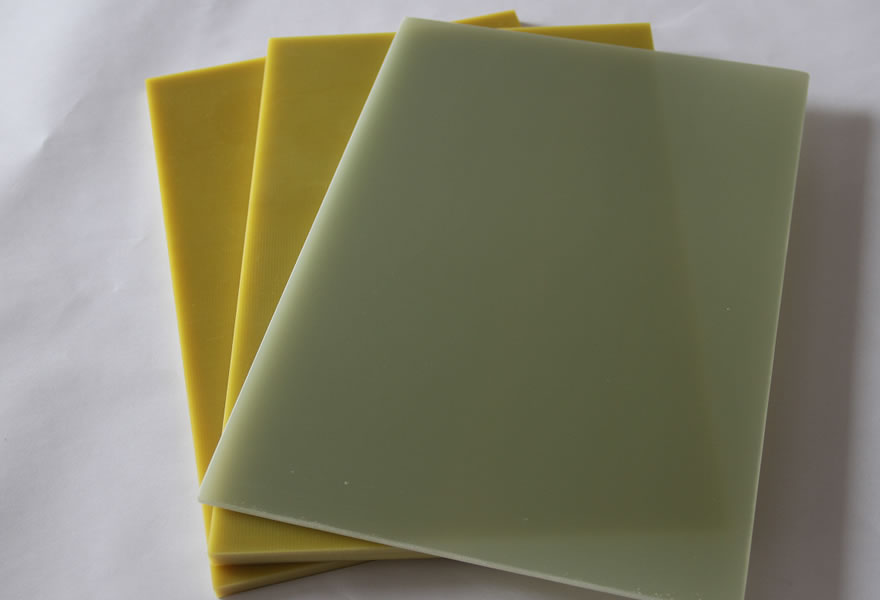
Market Drivers: Renewable Energy and Grid Upgrades Fuel Demand
The global transition toward clean energy—particularly solar, wind, and energy storage—along with the modernization of power distribution networks, is pushing electrical equipment toward higher voltage levels, greater capacity, and more compact designs.
These changes impose stricter requirements on insulation materials:
Higher dielectric strength and long-term reliability
Enhanced mechanical strength to withstand electromagnetic forces
Improved thermal resistance for high-load operation
Compliance with stricter environmental and safety regulations
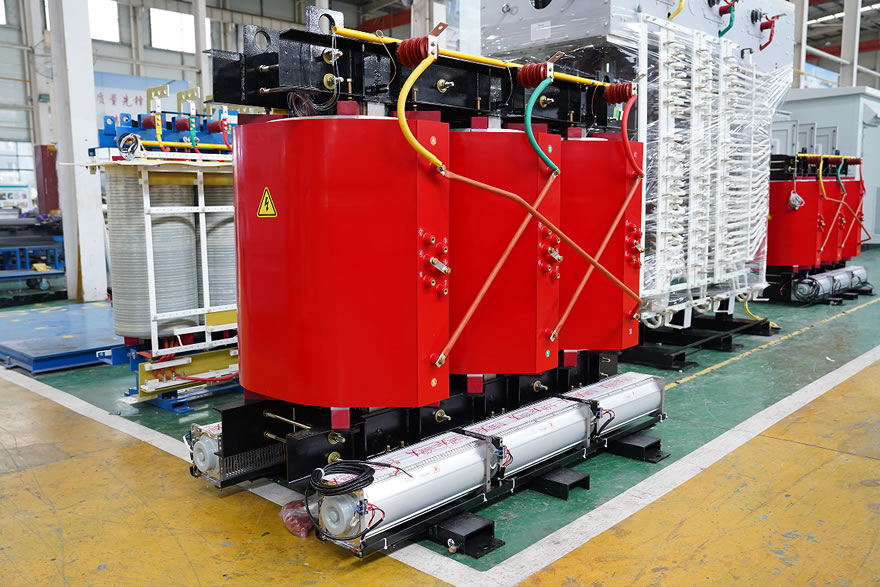
As a result, demand for FR4 epoxy sheets continues to grow, especially in dry type transformers and medium- to high-voltage applications.
Key Development Trends of FR4 Epoxy Sheets
1. Higher Thermal Performance (Toward Class H)
Conventional FR4 materials typically meet Class B to Class F (130°C–155°C) standards. However, with increasing operating temperatures in modern equipment, there is a growing demand for materials approaching Class H (180°C).
Next-generation FR4 materials are being developed using modified epoxy resin systems to achieve improved heat resistance and long-term thermal stability.
2. Lower Dielectric Loss and Enhanced Electrical Performance
In high-frequency and high-voltage environments, reducing dielectric loss is critical. Manufacturers are optimizing resin formulations and glass fiber structures to enhance electrical performance while maintaining mechanical strength.
3. Eco-Friendly and Halogen-Free Flame Retardant Systems
With tightening global environmental regulations such as RoHS and REACH, halogen-free FR4 materials are becoming increasingly popular. These eco-friendly solutions reduce environmental impact while maintaining high safety standards, including flame retardancy.
4. Integration with CNC Machining and Automation
FR4 processing is rapidly evolving from conventional methods to CNC machining and automated manufacturing. Precision cutting, drilling, and milling enable the production of complex, high-accuracy insulation components tailored to modern electrical equipment.
Trend Insight:
Material performance combined with precision machining defines competitive advantage.
5. Multi-Material Hybrid Applications
In advanced applications, a single material often cannot meet all performance requirements. FR4 is increasingly used in combination with materials such as G11 and GPO-3, forming hybrid insulation systems that optimize electrical, thermal, and mechanical performance.
Expanding Application Areas
With continuous innovation, FR4 epoxy sheets are expanding into a wide range of industries:
Dry type transformer insulation components
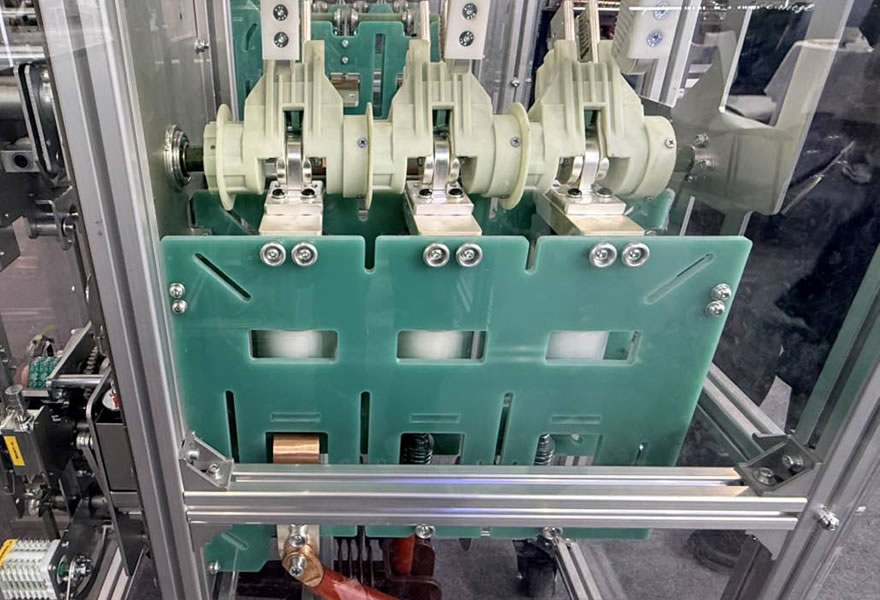
Switchgear and power distribution systems
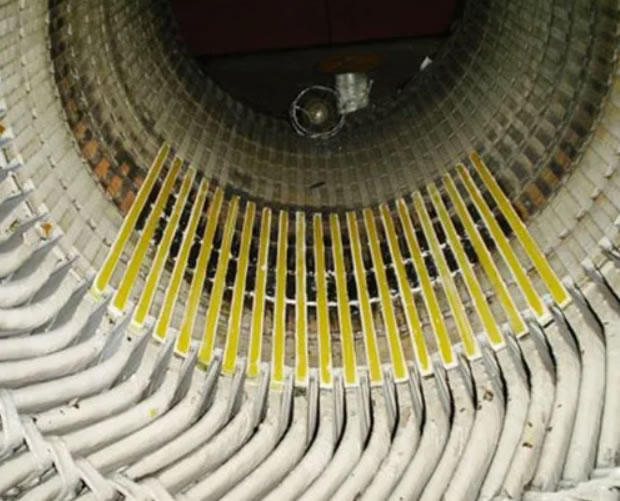
Electric motors and renewable energy equipment
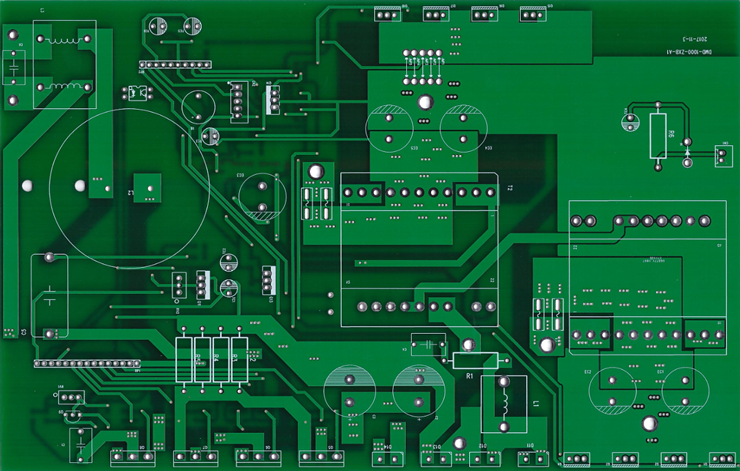
Electronics and PCB manufacturing
Rail transit and high-end industrial manufacturing
Among these, the growth in power equipment and renewable energy sectors is particularly significant.
Market Competition: From Price to Value
The FR4 market is shifting from price-driven competition to value-based competition, focusing on:
Customization capabilities (non-standard components)
Fast delivery and production flexibility
Product consistency and quality control
Global supply chain and export capability
Suppliers offering integrated solutions (material + CNC machining) are expected to gain a strong competitive edge.
Industry Outlook
Overall, FR4 epoxy sheets are evolving toward higher performance, environmental sustainability, and customization. As electrical equipment continues to demand higher voltage ratings and reliability, FR4 is transitioning from a general-purpose material to a critical enabler of advanced insulation systems.
With ongoing advancements in material science and intelligent manufacturing, FR4 will play an increasingly important role in high-end electrical applications.
Manufacturer Selection:
XUJUE ELECTRICAL specializes in the research, development, manufacturing, and sales of high-performance electrical insulation materials for transformers, electric motors, and aerospace applications. With strong technical expertise and advanced production capabilities, we provide stable and reliable insulation solutions tailored to specific operating conditions and customer requirements.
If you are looking for FR-4 epoxy sheets or precision-machined insulation components, feel free to contact us to receive free samples and a competitive quotation.
Conclusion
In the wave of electrical industry upgrades, FR4 epoxy sheets are no longer just standard insulation materials—they are becoming part of complete, high-performance solutions. Companies that can innovate in material performance, precision machining, and customer service will lead the next phase of market growth.
Leave us a message to get quotation and sample!
If you are interested in our products,, please send us a message and we will contact you as soon as we receive it. Email: info@ztaero.com whatsApp: +8616650273778
Releated News
- 09-28 2026Transformer Kraft Paper vs. Thermally Upgraded Paper
- 09-28 2026Xujue Electrical Exhibits at Data Centre World Singapore 2026
- 09-22 2026Xujue Electrical Exhibits at Enlit Asia 2026
- 09-22 2026High Voltage Motor Insulation Materials
- 09-20 2026Motor Insulation Materials: B, F, H & EV Motor Guide
- 09-17 2026Oil-Immersed Transformer Winding Insulation Paper