What Insulation Papers Are Used in Oil-Immersed Transformers?
Common insulation papers for oil-immersed transformers include kraft paper (cable paper), crepe paper, and DDP insulation paper, They are used for coil and inter-layer insulatio...
A Complete Guide to Transformer Insulation Materials
Oil-immersed transformers are among the most critical components in modern power transmission and distribution systems. Their operational safety, dielectric performance, and service life depend not only on transformer insulating oil but also on a reliable solid insulation system. Cellulose-based insulation papers and pressboards form the backbone of this insulation system, ensuring electrical insulation, mechanical strength, and long-term reliability.
Each type of insulation paper serves a unique purpose, from conductor insulation and interlayer insulation to mechanical reinforcement, oil duct formation, and improving short-circuit withstand capability. Selecting the appropriate insulation material is essential for enhancing transformer performance and extending service life.
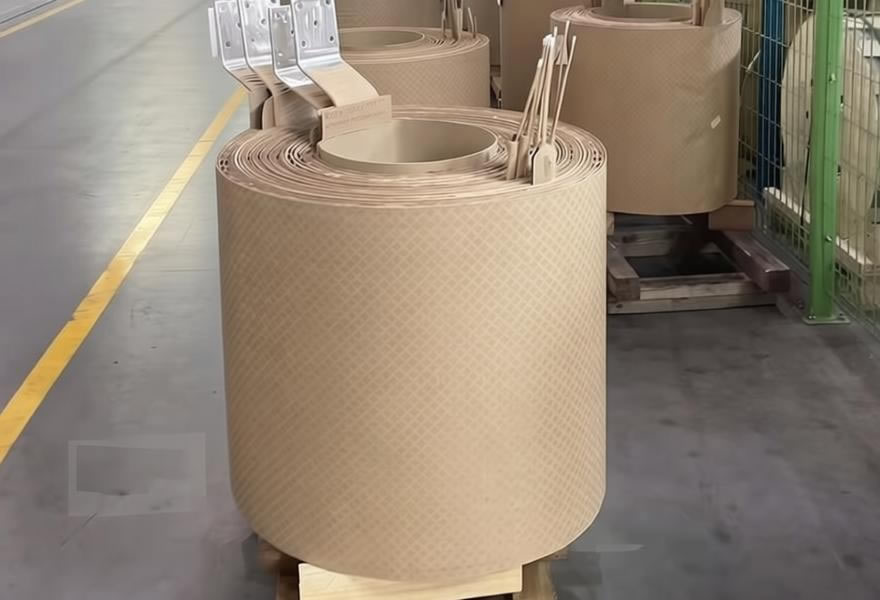
This guide introduces the most commonly used insulation papers in oil-immersed transformers, their characteristics, applications, and selection criteria.
Why Do Oil-Immersed Transformers Require Multiple Types of Insulation Paper?
Unlike dry-type transformers, oil-immersed transformers use a composite insulation system consisting of liquid insulation and solid insulation. The transformer oil provides cooling and dielectric insulation, while cellulose insulation materials offer electrical separation and mechanical support.
A complete insulation system typically includes:
- Electrical Insulating Kraft Paper
- Electrical Pressboard
- Diamond Dotted Paper (DDP)
- Crepe Paper
- Transformer Molded Components
- Insulating Paper Tubes and Cylinders
After vacuum drying and vacuum oil impregnation, these cellulose materials absorb transformer oil and form a highly reliable oil-paper insulation system with excellent dielectric strength and thermal stability.
The primary functions of transformer insulation papers include:
- Electrical insulation
- Mechanical reinforcement
- Thermal insulation
- Oil duct construction
- Partial discharge suppression
- Extending transformer service life
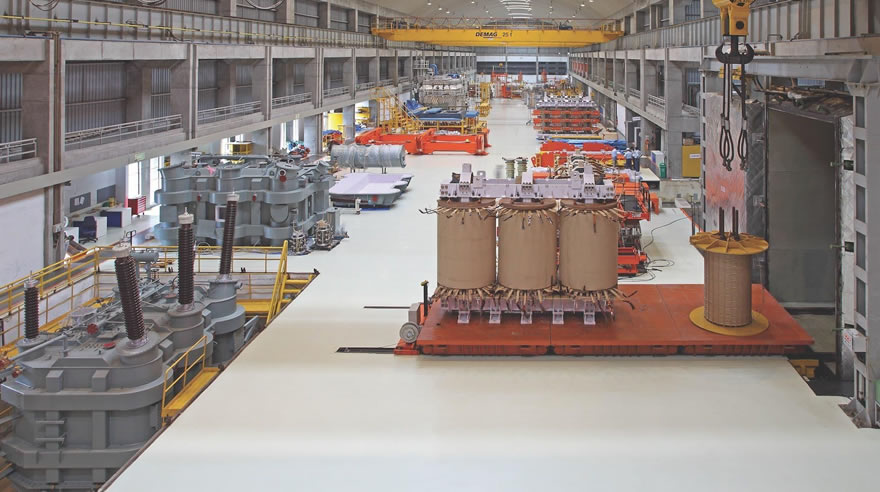
Main Types of Insulation Paper Used in Oil-Immersed Transformers
1. Electrical Insulating Kraft Paper
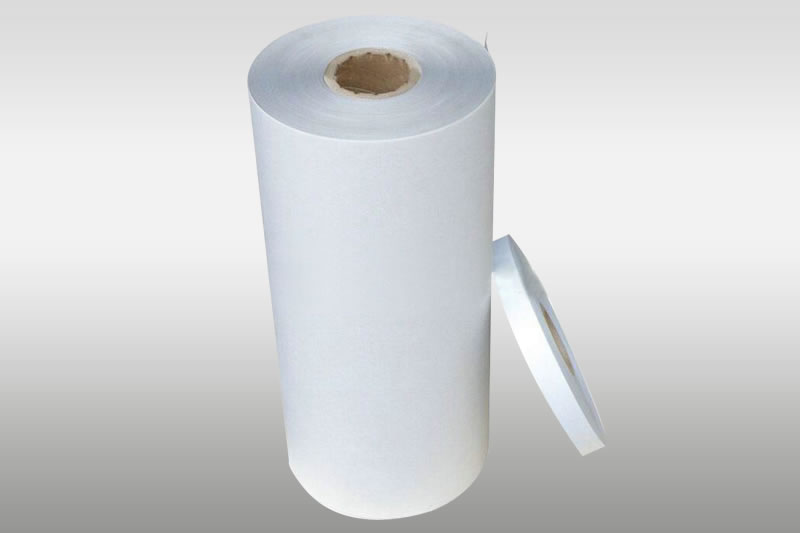
Electrical insulating kraft paper is the most widely used insulation material in oil-filled transformers. Manufactured from 100% unbleached sulfate wood pulp, it provides excellent dielectric strength, mechanical strength, and oil absorption.
Main Applications
- Turn insulation
- Layer insulation
- Conductor wrapping
- Lead insulation
- General winding insulation
Advantages
- Excellent dielectric properties
- High tensile strength
- Excellent compatibility with transformer oil
- Cost-effective
- Long service life under Class A insulation systems
2. Thermally Upgraded Insulation Paper (TU Paper)
Thermally upgraded insulation paper is chemically modified kraft paper designed to withstand higher operating temperatures than conventional insulation paper.
Compared with standard kraft paper, thermally upgraded paper degrades much more slowly under elevated temperatures, significantly extending transformer life.
Main Applications
- Large power transformers
- High-load distribution transformers
- EHV and UHV transformers
- Long-life transformer designs
Advantages
- Higher thermal endurance
- Reduced insulation aging
- Longer transformer operating life
- Improved overload capability
3. Diamond Dotted Paper (DDP)
Diamond Dotted Paper (DDP) consists of insulating kraft paper coated with diamond-shaped epoxy resin. During transformer drying, the resin melts and bonds adjacent winding layers together.
This creates a rigid winding structure capable of resisting mechanical forces generated during short circuits.
Main Applications
- Interlayer insulation
- Coil winding reinforcement
- Distribution transformers
- Power transformers
Advantages
- Excellent winding stability
- Improved short-circuit withstand capability
- Reduced coil displacement
- Improved manufacturing efficiency
4. Crepe Paper
Crepe paper is produced by mechanically creping electrical insulating paper, creating excellent flexibility and elongation.
Its elastic structure allows it to tightly wrap irregular conductor shapes and maintain insulation integrity during transformer operation.
Main Applications
- Lead insulation
- Terminal wrapping
- Copper conductor insulation
- Irregular component insulation
Advantages
- High flexibility
- Excellent elongation
- Easy installation
- Good oil absorption
5. Aramid Insulation Paper
Aramid insulation paper is a high-performance synthetic insulation material capable of continuous operation at temperatures up to 220°C.
Although much more expensive than cellulose insulation papers, aramid paper offers exceptional thermal resistance and mechanical strength.
Main Applications
- Traction transformers
- Wind power transformers
- Special high-temperature transformers
- High-overload operating conditions
Advantages
- Outstanding thermal stability
- High mechanical strength
- Excellent flame resistance
- Chemical resistance
- Extended insulation life
Comparison of Transformer Insulation Papers
| Insulation Paper | Material | Thermal Class | Main Advantages | Typical Applications |
|---|---|---|---|---|
| Electrical Insulating Kraft Paper | 100% Unbleached Sulfate Wood Pulp | Class A (105°C) | Excellent dielectric strength and cost-effective | Turn insulation, layer insulation, conductor wrapping |
| Thermally Upgraded Paper | Chemically Modified Sulfate Wood Pulp | Class E (120°C) | Longer thermal life and improved overload capability | Large power transformers, EHV/UHV transformers |
| Aramid Paper | Aromatic Polyamide Fiber | Class C (220°C) | Extreme heat resistance and high strength | Traction transformers, wind turbines |
| Crepe Paper | Mechanically Creped Kraft Paper | Class A (105°C) | Excellent flexibility and elongation | Lead insulation and terminal wrapping |
| Diamond Dotted Paper (DDP) | Kraft Paper with Epoxy Resin Dots | Depends on Base Paper | Thermal bonding and short-circuit strength | Interlayer insulation of transformer windings |
How to Select the Right Transformer Insulation Paper
Choosing the appropriate insulation paper depends on several engineering factors, including transformer voltage level, operating temperature, mechanical stress, and service life requirements.
- Use kraft paper for standard winding insulation.
- Select thermally upgraded paper for transformers operating under high temperatures or overload conditions.
- Use Diamond Dotted Paper to improve winding rigidity and short-circuit resistance.
- Choose crepe paper for flexible insulation around leads and irregular conductors.
- Select aramid paper for high-temperature, traction, or renewable energy transformers.
Conclusion
Each insulation paper used in an oil-immersed transformer performs a specific function within the overall insulation system.
Electrical insulating kraft paper provides the primary insulation for transformer windings, while thermally upgraded paper improves thermal endurance. Diamond Dotted Paper enhances winding strength against short-circuit forces, crepe paper offers flexible insulation for complex components, and aramid paper ensures reliable performance in extreme operating environments.
As modern power grids continue moving toward higher voltages, larger transformer capacities, and greater operational reliability, advanced insulation materials with improved thermal performance, lower dielectric losses, and enhanced environmental sustainability will play an increasingly important role in transformer manufacturing.
Leave us a message to get quotation and sample!
If you are interested in our products,, please send us a message and we will contact you as soon as we receive it. Email: info@ztaero.com whatsApp: +8616650273778
Releated News
- 10-13 2026How to Choose DDP Insulation Paper for Oil-Immersed Transformers?
- 10-12 2026FR4 Epoxy Fiberglass Sheets for CNC Machining Factories
- 10-10 2026Transformer Pressboard
- 10-09 2026Epoxy Fiberglass Filament-Wound Tubes for Transformer Core Winding Insulation
- 09-28 2026Transformer Kraft Paper vs. Thermally Upgraded Paper
- 09-28 2026Xujue Electrical Exhibits at Data Centre World Singapore 2026