Transformer Insulation Components: Types, Materials & Applications
Transformer insulation components, including pressboard spacers, laminated wood parts, G10, G11, FR4 and GPO-3 components. Custom insulation solutions by Xujue Electrical.
What Are Transformer Insulation Components?
Transformer insulation components are essential parts used to provide electrical insulation, mechanical support, and structural stability inside transformers. They help prevent electrical breakdown, maintain insulation distances, guide cooling oil flow, and ensure the safe and reliable operation of transformers.
Transformer insulation components can generally be classified into four main categories according to their materials and applications.

1. Oil-Immersed Transformer Insulation Components
Oil-immersed transformers insulation components commonly use electrical pressboard, laminated pressboard, and other insulating materials to manufacture various insulation components.
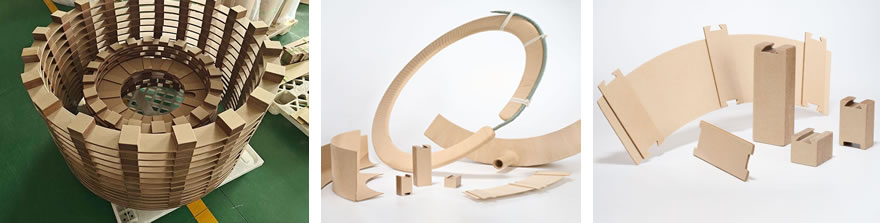
Common components include:
Pressboard Spacers: Used between transformer windings to maintain insulation distances and provide mechanical support.
Oil Duct Strips: Create oil channels between windings to improve heat dissipation and cooling efficiency.
Insulation Barriers: Separate high-voltage and low-voltage windings or different electrical sections.
Insulation Rings and End Rings: Provide insulation and mechanical support at the ends of transformer windings.
Pressboard Cylinders and Tubes: Used for winding insulation and structural support.
Angle Rings: Provide insulation and protection around winding edges and corners.
Radial and Axial Spacers: Maintain the required spacing between windings and help control oil flow.
Insulation Washers and Blocks: Used for insulation, positioning, and mechanical support.
Lead Supports: Provide insulation and mechanical support for transformer leads and connections.
2. Laminated Wood Transformer Components
Electrical Laminated wood is widely used in oil-immersed power transformers because of its good electrical insulation properties, mechanical strength, and dimensional stability.
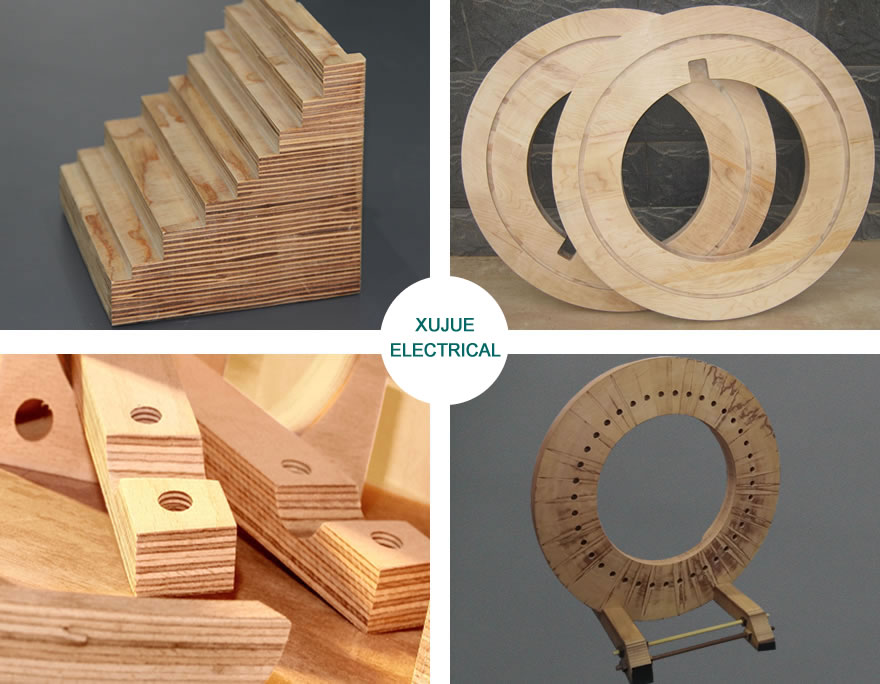
Typical laminated wood components include:
Laminated Wood Blocks: Used to support transformer windings and internal structures.
Clamping Plates: Provide mechanical clamping and positioning for transformer windings.
Support Beams: Support internal transformer structures and withstand mechanical loads.
Laminated Wood Rings: Used for insulation and structural support.
Insulation Brackets: Provide support and positioning for internal transformer components.
Wooden Spacers: Maintain the required spacing between different transformer components.
Insulation Rails: Used for structural support and positioning.
3. Flexible Transformer Insulation Materials
Flexible insulation materials are mainly used for winding insulation, turn-to-turn insulation, interlayer insulation, and lead insulation.
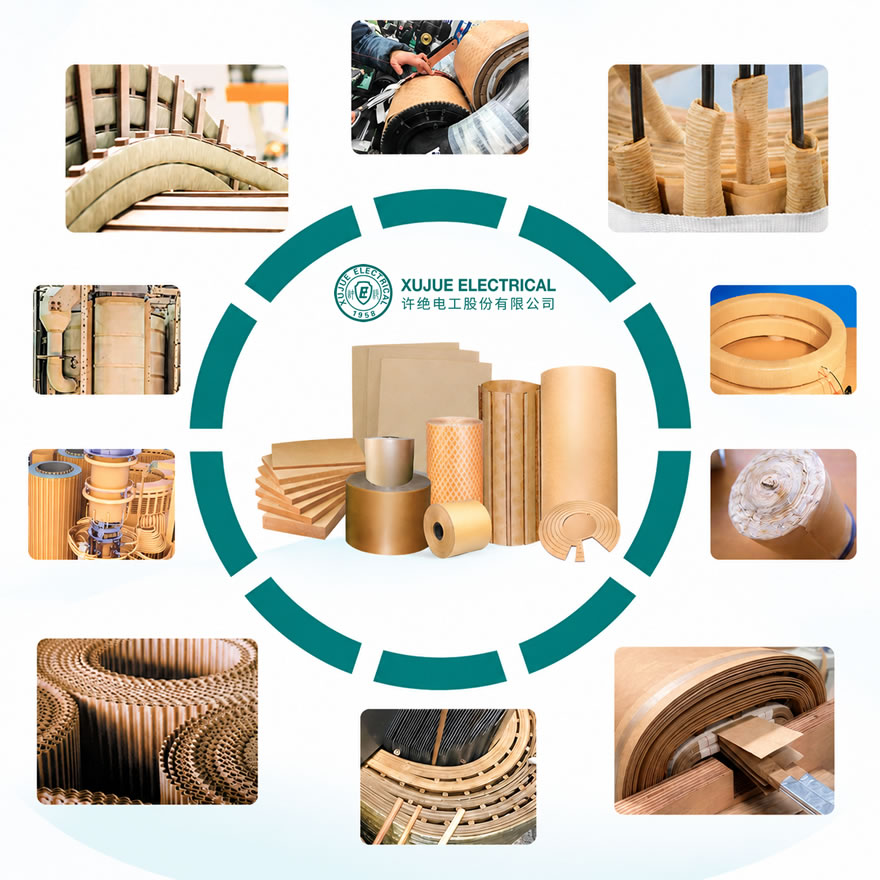
Common materials include:
Diamond Dotted Paper (DDP): Used for interlayer insulation and bonding between transformer winding layers.
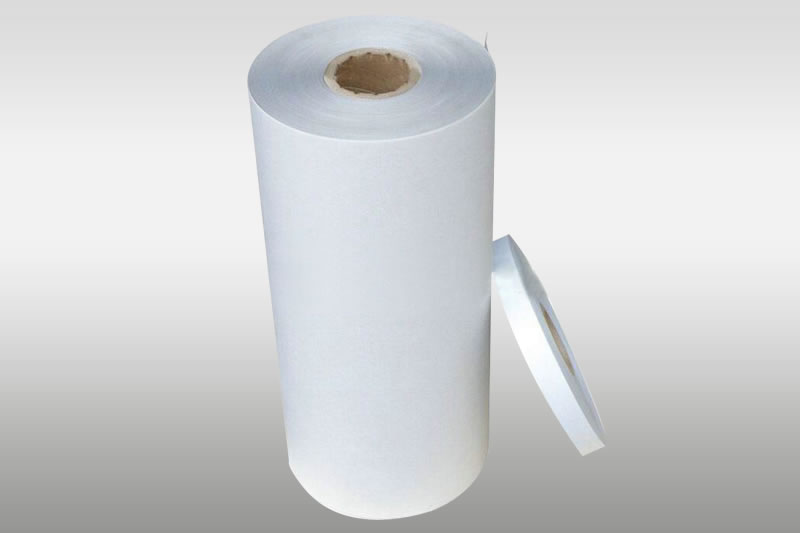
Transformer Kraft Paper: Used for turn-to-turn, layer-to-layer, and winding insulation.
Crepe Paper: Used for insulating transformer leads, connections, and irregular-shaped components.
Electrical Presspaper: Used for general electrical insulation and component manufacturing.
Aramid Paper (Nomex): Used in applications requiring high thermal resistance and electrical insulation performance.
Electrical Insulation Tapes: Used for wrapping, binding, and insulating transformer components.
4. Dry-Type Transformer Insulation Components
Dry-type transformers insulation mainly use solid insulation materials such as GPO-3, FR4, G10, and G11 to manufacture structural and electrical insulation components.
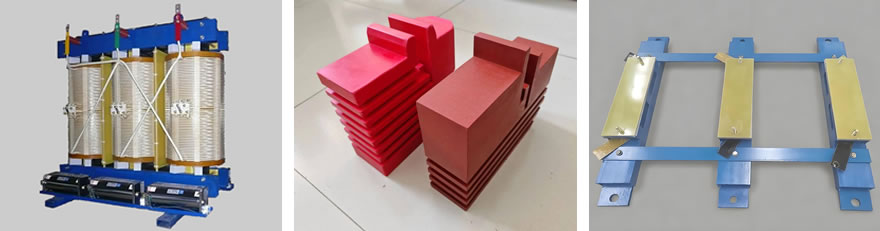
Typical components include:
Insulation Barriers: Separate different phases and electrical sections.
Coil Spacers: Maintain the required spacing between transformer coils.
Phase Barriers: Provide insulation between different phases.
Support Plates: Provide mechanical support for transformer windings and internal structures.
Insulation Tubes: Used for electrical insulation and protection of connecting parts.
Support Blocks: Provide mechanical positioning and structural support.
Terminal Insulation Plates: Provide insulation around electrical terminals and connections.
Busbar Supports: Support and insulate busbars and electrical connections.
5. Common Materials Used for Transformer Insulation Components
Different transformer insulation components require different materials depending on their electrical, mechanical, and thermal requirements.
| Insulation Material | Typical Applications |
|---|---|
| Electrical Pressboard | Spacers, oil duct strips, barriers, rings, cylinders, and insulation blocks |
| Laminated Pressboard | Structural insulation parts and machined components |
| Laminated Wood | Clamping plates, support blocks, beams, and structural components |
| G10 / G11 Epoxy Fiberglass | High-strength insulation plates, support parts, and machined components |
| FR4 Epoxy Fiberglass | Electrical insulation plates and structural components |
| GPO-3 Polyester Fiberglass | Phase barriers, insulation supports, and switchgear components |
| Transformer Kraft Paper | Winding insulation and turn-to-turn insulation |
| Diamond Dotted Paper (DDP) | Interlayer insulation and winding bonding |
| Crepe Paper | Lead and connection insulation |
| Aramid Paper | High-temperature electrical insulation |
Important: These materials are not interchangeable. Material selection should be based on the transformer’s insulation system, operating temperature, mechanical requirements, dielectric properties, and operating environment.
6. How to Choose the Right Transformer Insulation Components?
When selecting transformer insulation components, manufacturers should consider the following factors:
Electrical Requirements: Operating voltage, dielectric strength, insulation distance, and partial discharge requirements.
Thermal Requirements: Operating temperature and compatibility with the transformer insulation system.
Mechanical Strength: Compressive strength, bending strength, dimensional stability, and resistance to mechanical stress.
Transformer Type: Different requirements apply to oil-immersed and dry-type transformers.
Manufacturing Requirements: Component dimensions, machining accuracy, surface quality, and assembly requirements.
Applicable Standards: Relevant IEC, GB, and other applicable electrical insulation standards.
Choosing the right insulation materials and components helps improve transformer reliability, extend service life, and reduce the risk of electrical failure.
7. Custom Transformer Insulation Components Manufacturer
Xujue Electrical, specializes in manufacturing electrical insulation materials and customized insulation components for transformers, motors, generators, and other electrical equipment.
Our product range includes:
Transformer electrical pressboard and machined pressboard components
Laminated wood insulation components
G10, G11, FR4, and GPO-3 insulation parts
Customized CNC-machined insulation components
Transformer kraft paper, DDP, and crepe paper
We provide customized insulation solutions based on customers’ drawings, material specifications, dimensions, and application requirements.
Contact Xujue Electrical for customized transformer insulation components and professional material selection support.
Leave us a message to get quotation and sample!
If you are interested in our products,, please send us a message and we will contact you as soon as we receive it. Email: info@ztaero.com whatsApp: +8616650273778
Releated News
- 11-25 2026Transformer Insulation Components: Types, Materials & Applications
- 11-24 2026Flexible Electrical Composite insulation Materials Manufacturer | Xujue Electrical
- 11-24 2026Epoxy Insulation Components Manufacturer | Xujue Electrical
- 11-24 2026Transformer insulation paper Real video
- 11-21 2026G10 Epoxy Sheet Applications in the Sealing Industry
- 11-18 2026Orange and Black Bakelite Sheet: Specifications and Applications