Insulation Pressboard Specifications and Applications
In the power industry, there is a material that may seem unremarkable, yet carries the critical mission of ensuring the safe operation of the entire grid — insulation pressboard.
As global power infrastructure construction continues to accelerate, the insulation materials market is experiencing unprecedented growth opportunities. According to QYResearch, the global electrical insulation paper market was valued at approximately USD 1.404 billion in 2025 and is expected to reach USD 1.97 billion by 2032. Meanwhile, the global insulation pressboard market is projected to reach USD 2.511 billion by 2032, with a compound annual growth rate (CAGR) of 7.6%. In this rapidly evolving power sector, insulation pressboard is moving from behind the scenes to the forefront, becoming an “invisible guardian” that ensures the safety, stability, and efficiency of electrical equipment.
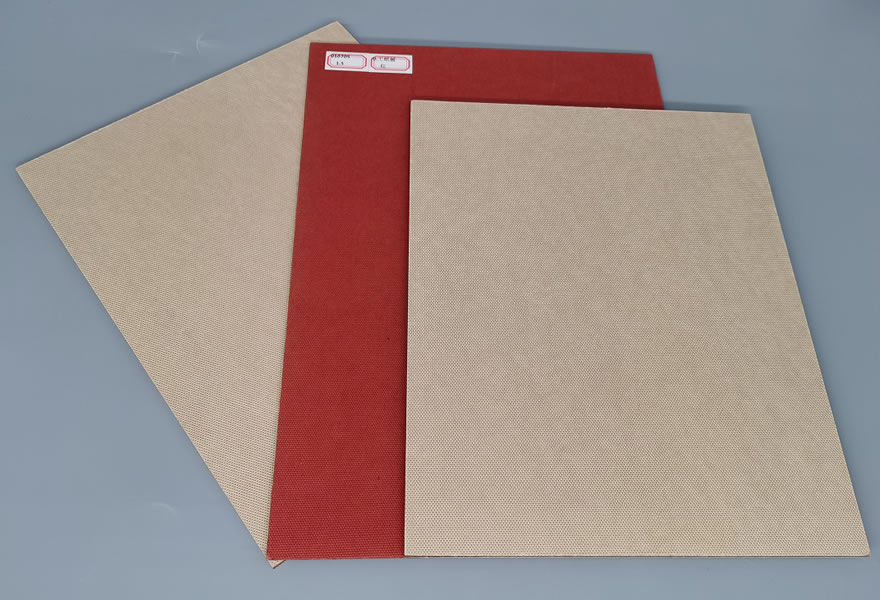
What Is Insulation Pressboard? The Technology Behind a “Simple Sheet”
Electrical insulation pressboard is a general term for paperboard used in electrical insulation applications. It is primarily made from unbleached sulfate wood pulp, which is refined and formed on specialized paperboard machines. During production, purified water must be used to ensure the absence of any conductive impurities.
Currently, insulation pressboard is mainly divided into two categories:
Flat pressboard and roll pressboard — Thickness above 0.5 mm is classified as flat pressboard, while 0.5 mm and below is roll pressboard.
Thick insulation pressboard is widely used in high-end power equipment such as large transformers, high-voltage and high-capacity transformers, reactors, and instrument transformers.
Common thicknesses include 0.5mm, 1mm, 2mm, 3mm, 4mm, 5mm. Standard sizes include 1000 × 2000 mm, 2100 × 3200 mm, and 2200 × 4400 mm. Available colors include natural and red.
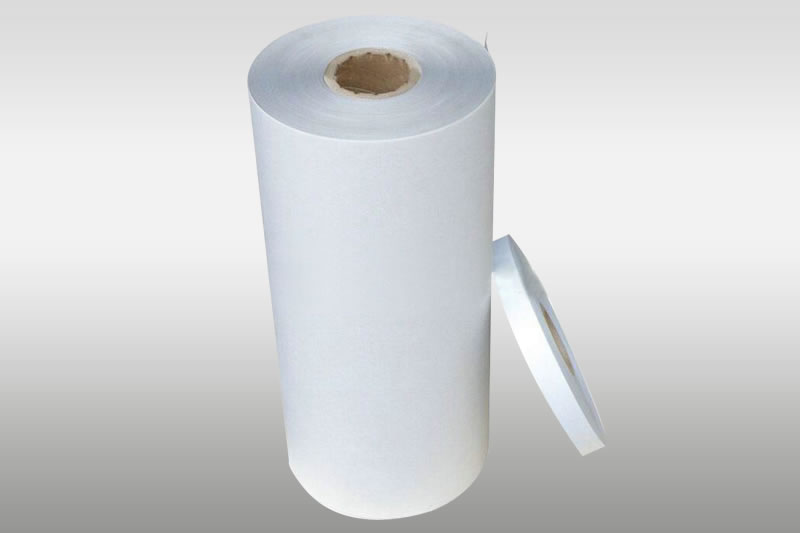
Thin insulation pressboard, on the other hand, is widely used in motors, electrical appliances, instruments, and high- and low-voltage switchgear. Thickness ranges from 0.1 mm to 0.6 mm, available in both roll and sheet formats. Color options include green, natural, red, and blue, with custom specifications available upon request.
Core Advantages: More Than Just Electrical Insulation
The value of insulation pressboard goes far beyond its insulating capability. In modern electrical equipment, it is a multifunctional material with outstanding performance:
High dielectric strength: Manufactured from high-purity unbleached sulfate pulp and processed under high temperature and pressure, it offers excellent insulation performance, low compression ratio, high density, smooth surface, and strong resistance to electrical breakdown.
Excellent mechanical properties: High mechanical strength, strong tensile performance, good elongation, and a dense, stable structure allow it to withstand shocks and vibrations during transformer operation.
Outstanding thermal stability: The standard temperature resistance level is 120°C, maintaining stable insulation performance even under high-temperature conditions.
Superior oil compatibility: Especially for oil-immersed transformer applications, it is made from long-fiber softwood pulp, providing excellent oil absorption and compatibility with transformer oil.
Application Scenarios: From Transformers to New Energy
1. Transformer Industry — Core Application
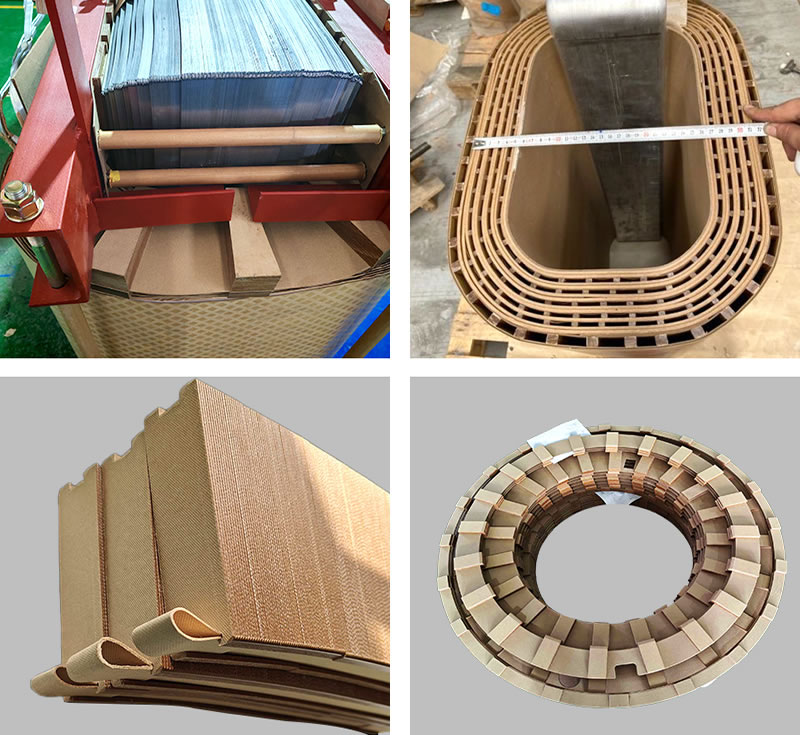
Insulation pressboard is most widely used in transformers. It is processed into insulation cylinders, molded parts, gaskets, spacers, pressure rings, and semiconductor supports, making it the preferred material for insulation in oil-immersed power and distribution transformers.
Specific applications in transformers include insulation cylinders, strips, blocks, inter-phase barriers, yoke insulation, foot insulation, support insulation, and angle rings.
A project manager from Xujue Electrical noted that insulation pressboard and its components are key elements in high-voltage and ultra-high-voltage AC/DC transformers, helping optimize electric field distribution and significantly improve transformer safety performance.
2. Motors and Electrical Equipment
In motors, electrical appliances, and precision instruments, insulation pressboard is used for slot insulation, windings, gaskets, and protective layers. It also serves as a partition material in transformer oil tanks operating below 90°C.
3. High-Voltage Switchgear and GIS Equipment
Insulation pressboard is also widely used in high-voltage switchgear, power capacitors, and cable accessories, effectively preventing electrical hazards and improving overall system reliability.
In particular, in GIS (Gas Insulated Switchgear) equipment, it serves as the core insulation material in RIP (Resin Impregnated Paper) dry-type bushings, playing an irreplaceable role.
Conclusion
As a professional manufacturer of transformer insulation materials, Xujue Electrical emphasizes that in today’s rapidly developing power industry, choosing high-quality insulation pressboard is not only about protecting equipment but also about safeguarding the entire power grid.
If you are looking for reliable, high-performance insulation pressboard with a full range of specifications, feel free to contact us. We provide comprehensive technical support from product selection to application.