How Motor Manufacturers Choose Slot Wedge Insulation Materials
Complete guide to motor slot wedge insulation materials. Discover how G10, FR4, and G11 wedges improve motor insulation, efficiency, and reliability.
In electric motor manufacturing, selecting the right slot wedge insulation material is essential for ensuring the mechanical stability, electrical insulation, and long service life of the motor. Although the slot wedge is a relatively small component, it plays a critical role in securing stator windings, preventing vibration, and maintaining the integrity of the motor insulation system.
Motor manufacturers carefully evaluate several factors such as insulation class, mechanical strength, operating temperature, motor size, and efficiency requirements when selecting slot wedge materials.
This article explains how motor manufacturers choose suitable slot wedge insulation materials for modern electric motors.
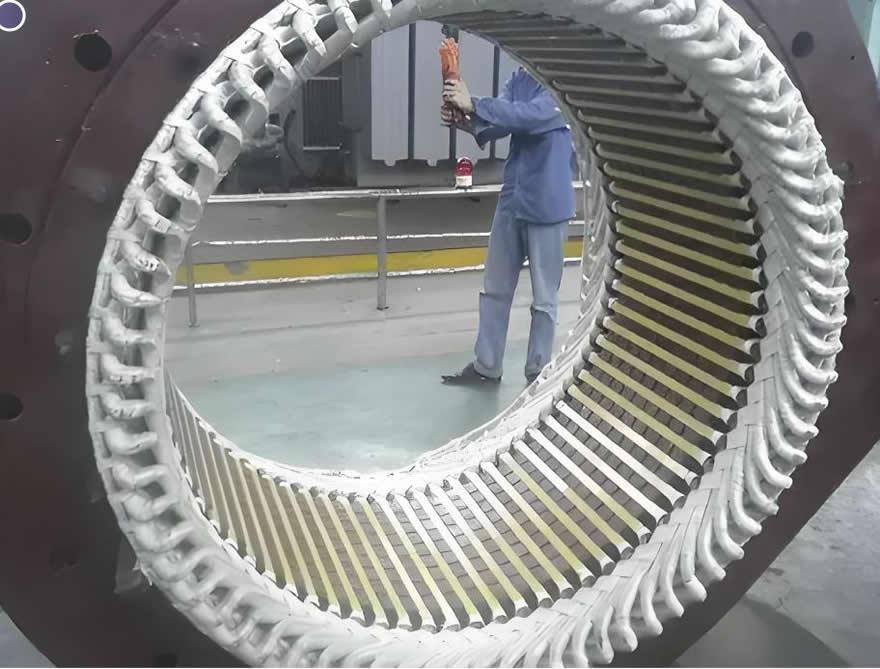
What Is a Motor Slot Wedge?
A motor slot wedge is an insulating component installed at the opening of stator slots to secure the windings inside the stator core. During motor operation, electromagnetic forces and vibration can cause winding movement. The slot wedge prevents this movement and keeps the winding firmly in place.
Main functions include:
Fixing stator windings inside slots
Preventing coil vibration and displacement
Enhancing insulation performance
Reducing mechanical stress and noise
Improving motor reliability
Slot wedges are widely used in industrial motors, high-voltage motors, generators, and renewable energy equipment.
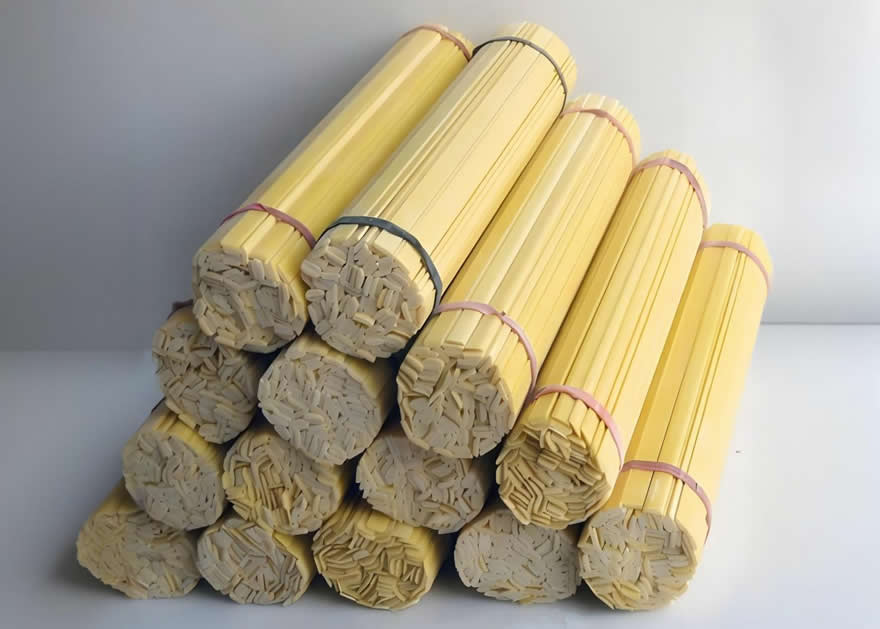
Common Slot Wedge Insulation Materials
Modern motor manufacturers typically use high-strength composite laminates for slot wedges. Common materials include:
1. G10 Epoxy Fiberglass Sheet
G10 is a fiberglass-reinforced epoxy laminate with excellent electrical insulation and mechanical strength.
Key advantages:
High mechanical strength
Excellent dielectric properties
Good moisture resistance
Easy to machine
Typical applications include industrial motors and medium-voltage motors.
2. FR4 Epoxy Glass Laminate
FR4 is a flame-retardant epoxy fiberglass laminate widely used in electrical insulation applications.
Main characteristics:
Flame-retardant performance
High dielectric strength
Good thermal stability
Stable electrical insulation performance
FR4 is commonly used in electric motors and electrical equipment.
3. G11 Epoxy Fiberglass Sheet
G11 is a high-temperature resistant laminate suitable for H-class insulation systems.
Key features:
High thermal resistance (up to 180°C)
Excellent mechanical performance
Suitable for harsh industrial environments
It is widely used in high-voltage motors, generators, and heavy-duty electrical equipment.
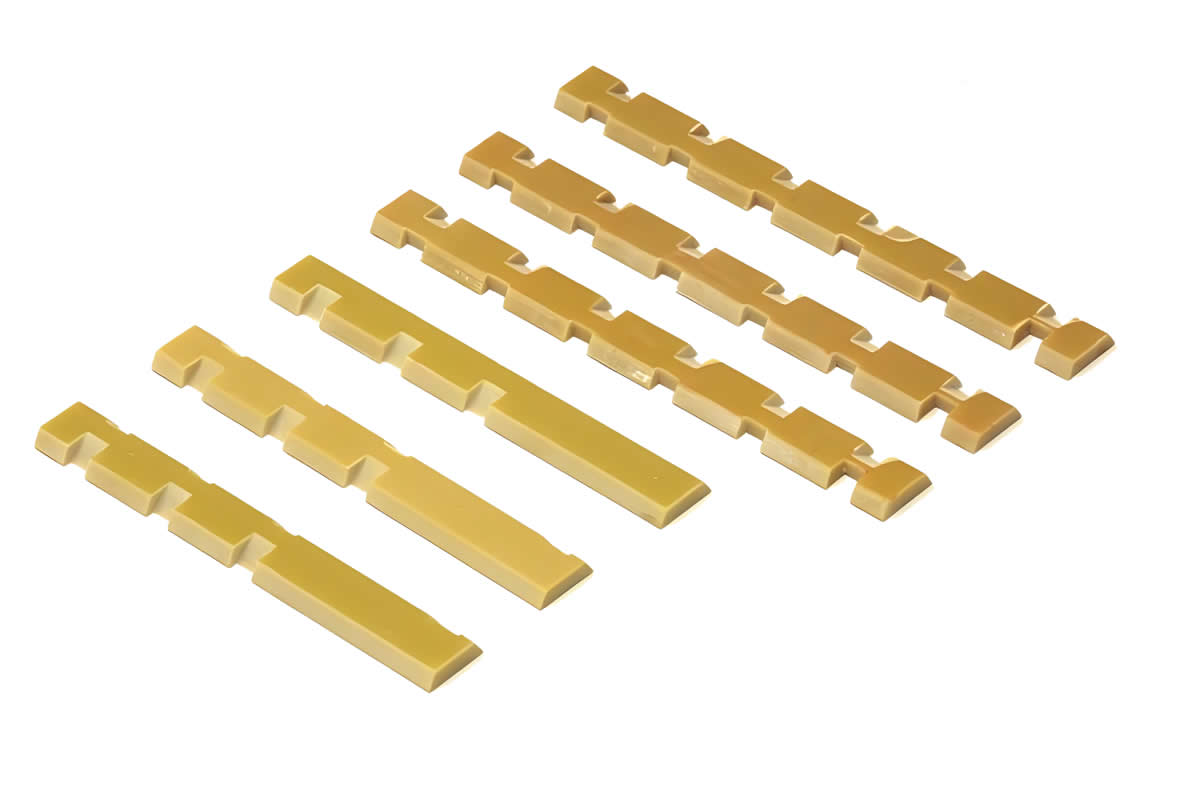
Key Factors in Selecting Slot Wedge Materials
Motor manufacturers consider several important engineering factors when choosing slot wedge insulation materials.
1. Motor Insulation Class
The insulation class determines the maximum operating temperature that the motor insulation system can withstand.
| Insulation Class | Max Temperature | Recommended Material |
|---|---|---|
| Class B | 130°C | G10 |
| Class F | 155°C | FR4 |
| Class H | 180°C | G11 |
High-temperature motors typically require G11 insulation materials.
2. Mechanical Strength Requirements
Slot wedges must withstand strong forces generated during motor operation, including:
Electromagnetic forces
Mechanical vibration
Thermal expansion stress
Materials such as G10 and G11 epoxy fiberglass laminates offer excellent mechanical strength and dimensional stability.
3. Motor Size and Voltage Level
Larger motors generate stronger electromagnetic forces and require stronger slot wedge materials.
Typical recommendations include:
| Motor Type | Recommended Material |
|---|---|
| Small motors | Composite insulation wedges |
| Industrial motors | G10 or FR4 |
| High-voltage motors | G11 |
4. Motor Efficiency Design
In high-efficiency motors, the slot wedge design can affect magnetic flux distribution.
Three common wedge types include:
Insulating Slot Wedge
Provides mechanical support and insulation.
Magnetic Slot Wedge
Reduces air-gap magnetic leakage and improves motor efficiency.
Semi-Magnetic Slot Wedge
Balances magnetic performance and mechanical strength.
5. Processing and Manufacturing Requirements
Motor slot wedges often require precision machining to match stator slot geometry. Therefore, materials must have good machinability.
Typical manufacturing processes include:
CNC cutting
Milling
Drilling
Custom shaping
Epoxy fiberglass laminates are widely used because they provide excellent machining performance and dimensional stability.
Typical Slot Wedge Dimensions
Slot wedge sizes vary depending on motor design.
| Parameter | Typical Range |
|---|---|
| Thickness | 1 – 8 mm |
| Width | 10 – 40 mm |
| Length | 200 – 2000 mm |
Most slot wedges are custom manufactured according to motor slot dimensions.
Applications of Slot Wedge Insulation Materials
Slot wedge insulation materials are widely used in many types of electric motors, including:
Industrial induction motors
High-voltage motors
Power generators
Wind turbine generators
Railway traction motors
Pump and compressor motors
As industries continue to demand higher efficiency and reliability, high-performance insulation materials are becoming increasingly important.
Conclusion
Choosing the right slot wedge insulation material is a key part of electric motor design. Motor manufacturers must consider insulation class, mechanical strength, motor size, operating environment, and manufacturing requirements.
High-performance materials such as G10, FR4, and G11 epoxy fiberglass laminates provide excellent insulation properties, mechanical strength, and thermal resistance, making them ideal for modern electric motor applications.
Selecting the proper slot wedge material can significantly improve motor reliability, efficiency, and service life.
Leave us a message to get quotation and sample!
If you are interested in our products,, please send us a message and we will contact you as soon as we receive it. Email: info@ztaero.com whatsApp: +8616650273778
Releated News
- 09-28 2026Transformer Kraft Paper vs. Thermally Upgraded Paper
- 09-28 2026Xujue Electrical Exhibits at Data Centre World Singapore 2026
- 09-22 2026Xujue Electrical Exhibits at Enlit Asia 2026
- 09-22 2026High Voltage Motor Insulation Materials
- 09-20 2026Motor Insulation Materials: B, F, H & EV Motor Guide
- 09-17 2026Oil-Immersed Transformer Winding Insulation Paper