G10 Epoxy Sheets in EV Battery Pack Insulation Systems
Time: 03-30 2026 Author: Xujue Electrical
Core Applications of G10 Epoxy Sheets in EV Battery Pac […]
Core Applications of G10 Epoxy Sheets in EV Battery Pack Insulation Systems
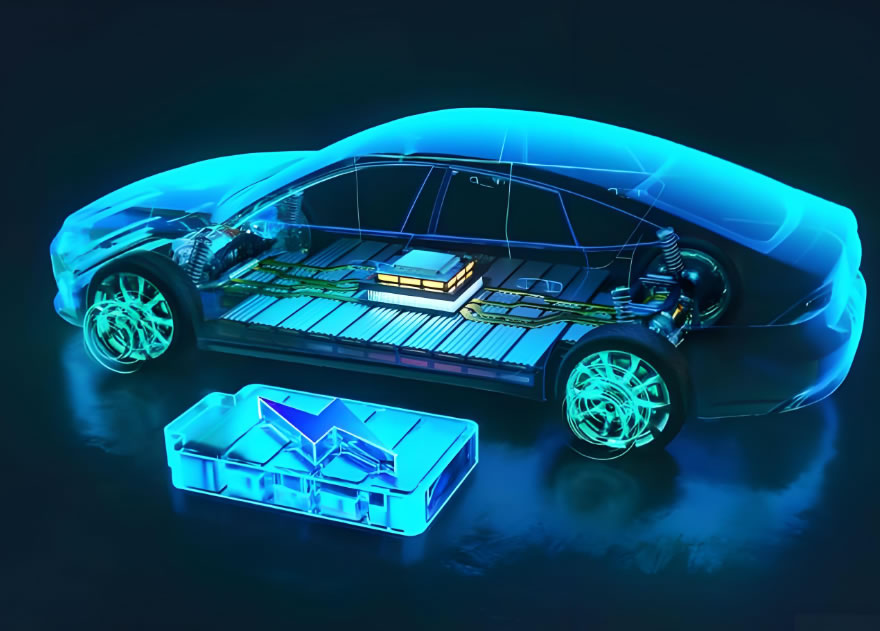
In the Power Battery System (Pack) of New Energy Vehicles (EVs), G10 Epoxy Sheets have evolved from simple insulation gaskets into core materials that ensure battery safety and structural integrity. As battery systems migrate toward 800V high-voltage architectures, the importance of G10 has become even more prominent.
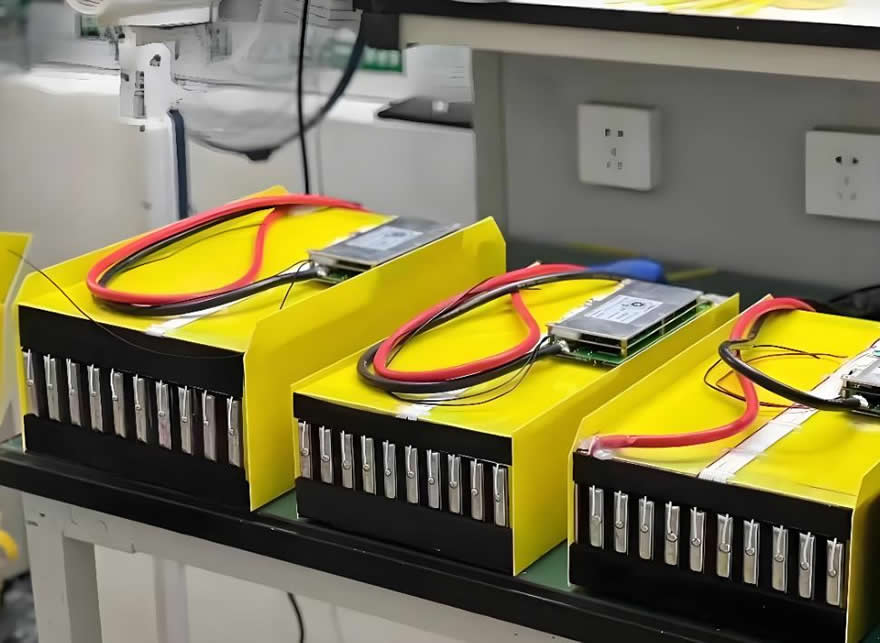
1. Inter-module Insulation Spacers
- Specific Use: Placed between battery modules or between modules and the metal casing.
- Core Value: In extremely compact battery pack spaces, G10 prevents high-voltage breakdown with its superior dielectric strength (typically >40kV/mm). Its low water absorption (~0.1%) ensures that insulation performance does not degrade in humid environments.
2. Busbar Supports and Fixation Brackets
- Specific Use: Physical fixation base for high-voltage copper or aluminum busbars.
- Core Value: G10 offers excellent creep resistance. With modified CTI (Comparative Tracking Index) reaching 600V, it effectively reduces safe creepage distances in high-voltage architectures.
3. Battery Cluster End Plates and Side Plates
- Specific Use: Structural support at the ends of battery clusters.
- Core Value: G10 achieves significant lightweighting (density is only 1/4 that of steel). In the event of a collision, the glass-fiber reinforced structure protects cells from physical compression.
4. MSD and PDU Internal Liners
- Specific Use: Base for Manual Service Disconnects or insulation barriers inside PDUs.
- Core Value: G10 possesses outstanding arc resistance and flame retardancy (complying with UL 94 V-0), preventing fire hazards during circuit switching
Technical Specifications: G10 vs. Standard Plastics
| Property | G10 Epoxy Sheet | Engineering Plastics (Nylon/PP) |
|---|---|---|
| Density | 1.8 – 2.0 g/cm³ | 1.1 – 1.4 g/cm³ |
| Dielectric Strength | ~15-20 kV/mm | ~10-12 kV/mm |
| Flexural Strength | >450 MPa | ~80-150 MPa |
| Thermal Stability | 130°C – 150°C (Class B/F) | < 100°C (Softens) |
| Water Absorption | < 0.1% | 0.5% – 2.0% |
| CTI Value | Up to 600V (Modified) | 175V – 250V |
Leave us a message to get quotation and sample!
If you are interested in our products,, please send us a message and we will contact you as soon as we receive it. Email: info@ztaero.com whatsApp: +8616650273778
TAGS:
Releated News
- 10-13 2026How to Choose DDP Insulation Paper for Oil-Immersed Transformers?
- 10-12 2026FR4 Epoxy Fiberglass Sheets for CNC Machining Factories
- 10-10 2026Transformer Pressboard
- 10-09 2026Epoxy Fiberglass Filament-Wound Tubes for Transformer Core Winding Insulation
- 09-28 2026Transformer Kraft Paper vs. Thermally Upgraded Paper
- 09-28 2026Xujue Electrical Exhibits at Data Centre World Singapore 2026