Fiberglass Winding Tubes in the Electrical Industry | Eight Major Applications
Eight Major applications of fiberglass winding tubes in transformers, reactors, tap changers, surge arresters and high-voltage electrical equipment.
Applications of Fiberglass Winding Tubes in the Electrical Industry
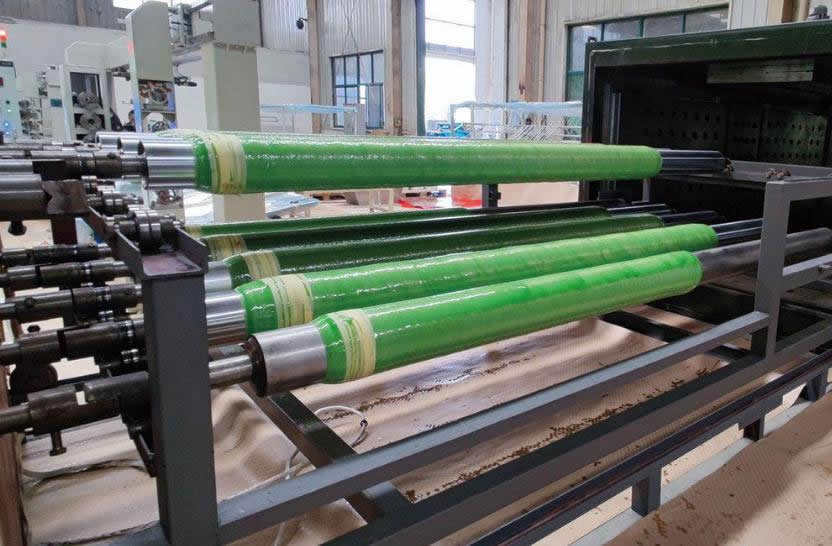
Fiberglass filament wound tubes are composite insulating tubes manufactured by winding continuous glass fibers around a mandrel, impregnating them with epoxy resin or other thermosetting resins, and curing them under controlled conditions.
In the electrical industry, these tubes are used not only as electrical insulation materials but also as mechanical support structures, reinforcement components, and insulating barriers.
They are widely used in power transformers, reactors, on-load tap changers, surge arresters, and high-voltage switchgear.
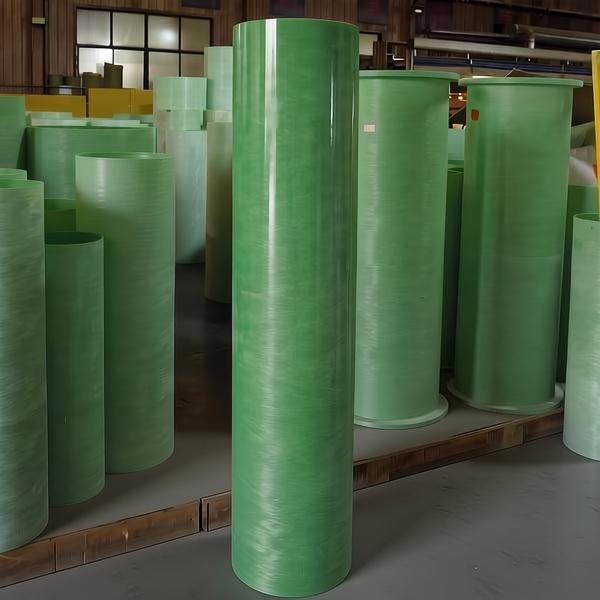
Epoxy Fiberglass filament wound tubes
1. Power Transformers
Power transformers are one of the major application areas for fiberglass filament wound tubes.
Typical applications include:
Transformer winding support tubes
Insulating cylinders between high-voltage and low-voltage windings
Internal transformer insulation structures
Winding support components
Custom insulating sleeves and tubular components
Application Benefits
Fiberglass winding tubes offer high mechanical strength and excellent electrical insulation properties. They can be customized in different diameters, wall thicknesses, and lengths according to transformer design requirements.
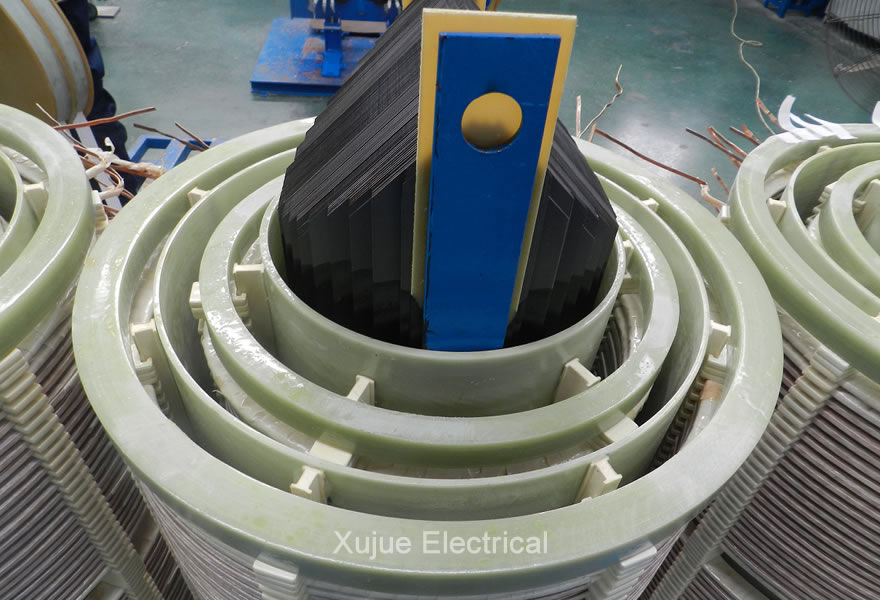
2. On-load Tap Changers (OLTC)
On-load tap changers are another important application area for fiberglass winding tubes.
Typical applications include:
Tap changer insulating cylinders
Internal insulating barriers
Insulating support tubes
Insulating structural components around contact mechanisms
On-load tap changers regulate transformer voltage by changing winding connections while the transformer is operating under load. Therefore, their insulating components require excellent electrical insulation, mechanical strength, and long-term operational reliability.

3. Electrical Reactors
Electrical reactors are widely used in power systems for reactive power compensation, voltage regulation, and harmonic suppression.
Fiberglass winding tubes can be used in:
Shunt reactor insulating cylinders
Series reactor insulating support structures
Dry-type reactor insulating tubes
Reactor winding support components
Internal insulation structures for high-voltage reactors
For large reactors, the tube structure should be designed according to the actual mechanical loads and electric field distribution.
4. High Voltage Surge Arresters
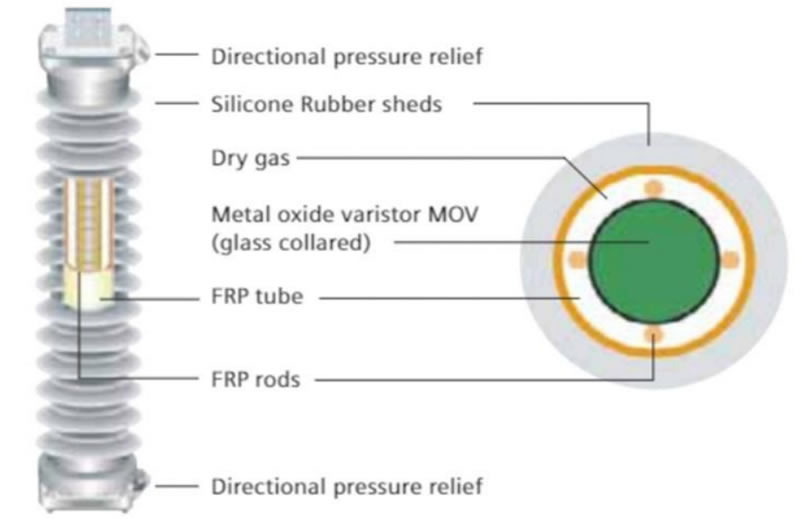
High-voltage surge arresters protect electrical equipment by limiting lightning and switching overvoltages.
Fiberglass filament wound tubes can be used as reinforced insulating housings or hollow support structures in certain composite surge arrester designs.
Typical applications include:
Fiberglass reinforced surge arrester tubes
Insulating support cylinders
Composite reinforcement structures
Custom surge arrester insulating tubes
Key performance requirements include axial tensile strength, hoop strength, weather resistance, sealing performance, and long-term electrical reliability.
5. High Voltage Switchgear
Fiberglass winding tubes are also used in high-voltage switchgear and other electrical switching equipment.
Typical applications include:
Insulating support tubes
Insulating separation cylinders
Tubular insulating structural components
Busbar support structures
Custom insulation components for switchgear
These applications require excellent dielectric strength, mechanical strength, and dimensional stability.
6. Current Transformers and Voltage Transformers (CT/PT)
Current transformers (CTs) and voltage transformers (PTs) are essential measuring and protection devices in power systems.
Fiberglass winding tubes can be used in:
Current transformer insulating support cylinders
Voltage transformer insulation structures
Hollow composite tubes for high-voltage instrument transformers
Internal insulating supports and reinforced structural components
7. High Voltage Bushings
Fiberglass composite tubes can serve as reinforced cores or supporting structures in certain composite hollow-core bushings.
Typical applications include:
Composite transformer bushings
High-voltage hollow-core composite insulators
Cable termination insulation structures
Related insulation structures in GIS equipment
A complete bushing is more than a fiberglass tube. Its design may also involve silicone rubber housings, electric field control systems, sealing structures, and flange connections.
8. Fuses
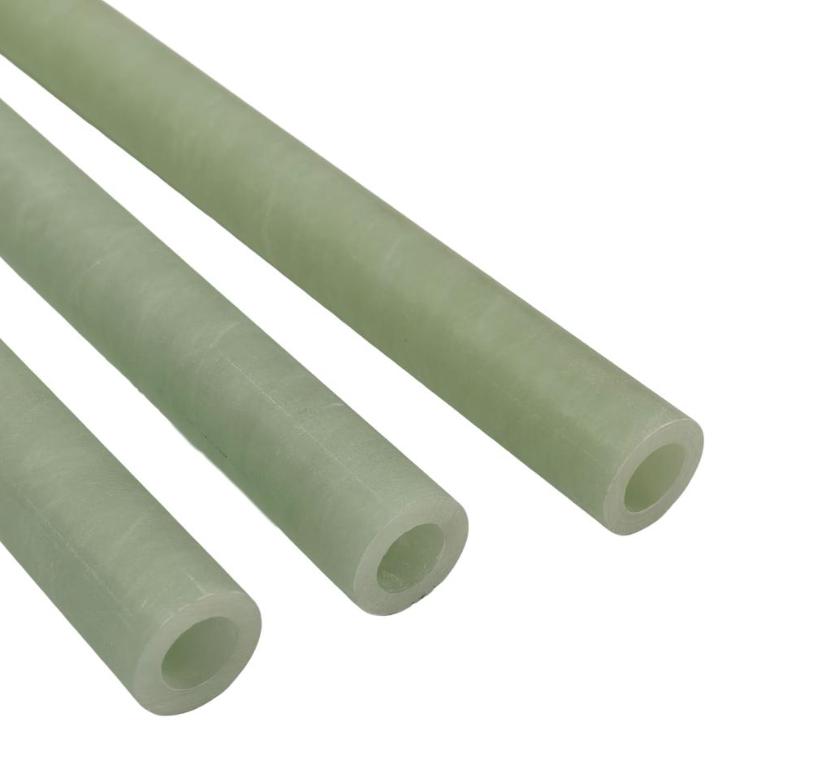
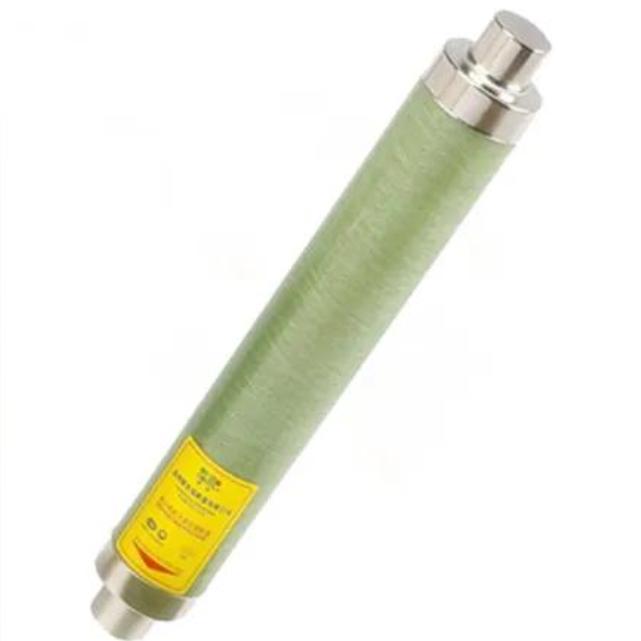
Fiberglass filament wound tubes can be used in certain medium-voltage and high-voltage fuse designs.
Typical applications include:
Current-limiting fuse insulating tubes
External insulating sleeves for fuses
Fuse support tubes
Custom insulating tube housings for electrical equipment
In addition to electrical insulation, these products require good arc resistance, thermal shock resistance, and internal pressure resistance.
Summary of Fiberglass Winding Tube Applications
| Electrical Industry | Typical Applications | Main Functions |
|---|---|---|
| Power Transformers | Transformer insulation tubes | Insulation and support |
| Tap Changers | Tap changer insulating cylinders | Insulation and structural support |
| Reactors | Reactor insulating cylinders | Insulation and winding support |
| Surge Arresters | Surge arrester fiberglass tubes | Insulation and structural reinforcement |
| Switchgear | Switchgear insulating tubes | Insulation and separation |
| Instrument Transformers | CT/PT insulating tubes | Insulation and support |
| High Voltage Bushings | Composite hollow-core structures | Insulation and reinforcement |
| Fuses | Fuse insulating tubes | Insulation and protection |
Key Technical Requirements for Fiberglass Winding Tubes
When purchasing fiberglass winding tubes, electrical equipment manufacturers should consider more than just dimensions and pricing. The following technical properties are also important.
| Technical Property | Key Considerations |
|---|---|
| Electrical Strength | Dielectric strength |
| Dielectric Loss | Dielectric dissipation factor |
| Volume Resistivity | Electrical insulation resistance |
| Tensile Strength | Axial tensile performance |
| Flexural Strength | Bending resistance |
| Compressive Strength | Compressive load capacity |
| Thermal Class | Heat resistance and temperature rating |
| Water Absorption | Moisture absorption characteristics |
| Partial Discharge | Partial discharge performance, where applicable |
| Dimensional Tolerance | Dimensional accuracy and consistency |
Epoxy fiberglass winding tubes can be designed for different thermal classes, including Class F (155°C) and Class H (180°C), depending on the resin system and manufacturing process. Actual thermal classification should be confirmed through product testing and relevant certification documents.
Xujue Electrical – Fiberglass Winding Tube Manufacturing and Custom Solutions
Xujue Electrical focuses on electrical insulation materials and customized fiberglass composite products for electrical equipment manufacturers.
Our fiberglass winding tubes can be customized according to customer requirements, including:
Outside Diameter (OD)
Inside Diameter (ID)
Wall Thickness
Tube Length
Thermal Class
Mechanical Properties
Electrical Insulation Requirements
Machining and Dimensional Tolerances
Our products are suitable for various electrical insulation and structural applications, including transformers, reactors, tap changers, surge arresters, and high-voltage electrical equipment.
Looking for a Reliable Fiberglass Filament Wound Tube Manufacturer?
Contact Xujue Electrical for customized epoxy fiberglass winding tubes, technical specifications, and competitive quotations.
Why Choose Electrical Grade Fiberglass Winding Tubes?
Fiberglass filament wound tubes for electrical applications are different from ordinary FRP pipes. Electrical equipment manufacturers are primarily concerned with dielectric properties, mechanical strength, thermal classification, dimensional accuracy, and long-term insulation reliability.
At Xujue Electrical, we focus on providing electrical-grade epoxy fiberglass winding tubes for transformers and high-voltage electrical equipment, helping customers find suitable insulation solutions for their specific applications.
Leave us a message to get quotation and sample!
If you are interested in our products,, please send us a message and we will contact you as soon as we receive it. Email: info@ztaero.com whatsApp: +8616650273778
Releated News
- 11-16 2026Xujue Electrical Launches 2026 Year-End Sale
- 11-16 2026Fiberglass Winding Tubes in the Electrical Industry | Eight Major Applications
- 11-12 2026GPO-3 Sheet Applications, Specifications & CNC Machined Parts
- 11-07 2026FR-4 Epoxy Fiberglass Board in Power and Energy Storage Systems
- 11-05 2026G10 Epoxy Fiberglass Laminate: Raw Material Composition
- 11-03 2026How EV Motor Manufacturers Choose Composite Insulation Materials