ESD FR4 Epoxy Sheets: Primary Application & Selection Guide
Introduction to ESD FR4 sheet Anti-Static FR4 Epoxy She […]
Introduction to ESD FR4 sheet
Anti-Static FR4 Epoxy Sheets (also known as ESD FR4 Sheets) are mainly categorized into three types: single-sided anti-static, double-sided anti-static, and overall (full-body) anti-static. Their core applications are in industrial sectors highly vulnerable to electrostatic discharge (ESD), such as semiconductor manufacturing, PCB test fixtures, and precision electronic assembly.
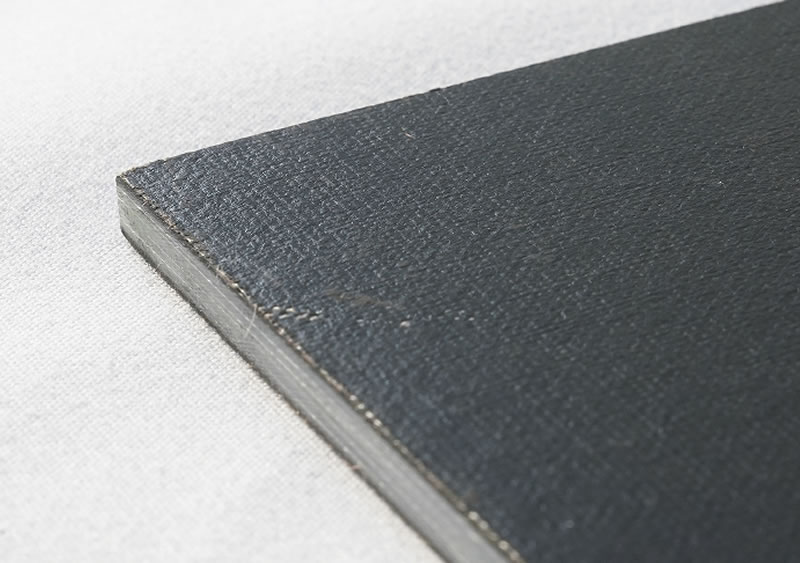
Core Types of Anti-Static FR4 Epoxy Sheets
1.Single-Sided Anti-Static FR4:
Features: Only one surface has anti-static properties (surface resistance of 10⁶ ~ 10⁹ Ω), while the other side remains a standard insulative FR4 layer.
Advantages: More cost-effective; ideal for applications requiring anti-static protection on one side and high insulation on the other.

2.Double-Sided Anti-Static FR4:
Features: Both the top and bottom surfaces feature an anti-static layer, with a standard insulative FR4 core material in the middle.
Advantages: Effectively discharges static electricity from both sides, preventing static buildup during flipping or multi-surface contact.
3.Overall (Full-Body) Anti-Static FR4:
Features: Anti-static agents are integrated throughout the entire matrix, from the outer surfaces to the inner core.
Advantages: Maintains a consistent anti-static resistance of 10⁶ ~ 10⁹ Ω even after mechanical processing (such as CNC routing, slotting, and drilling). The ESD performance is permanently stable and does not degrade with surface wear.

Primary Applications
1.Electronics Manufacturing and Testing (Most Widespread):
PCB Test Fixtures: Used for making circuit board test rigs, ICT (In-Circuit Test) fixtures, and FPC (Flexible Printed Circuit) stiffeners to prevent static breakdown of sensitive components.
Wave/Reflow Soldering Pallets: Withstands high soldering temperatures while preventing static accumulation on PCB boards during transit and soldering.
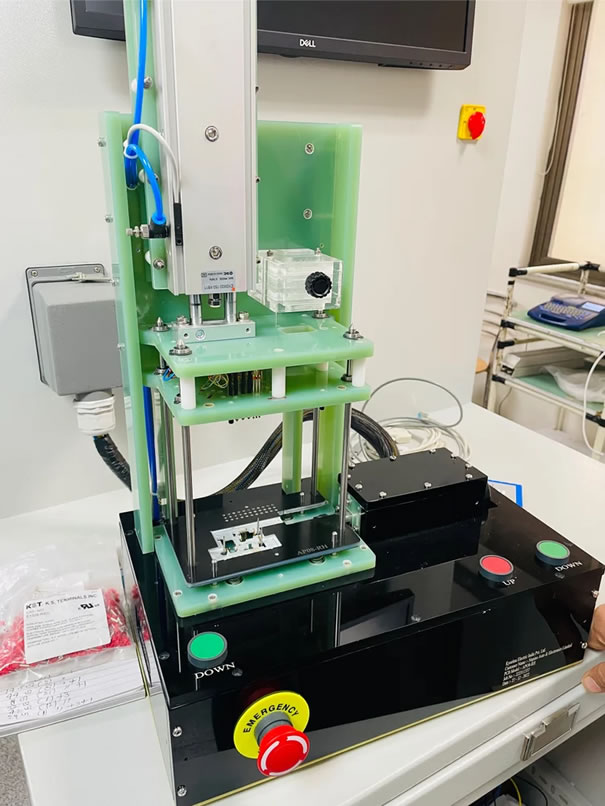
2.Semiconductor and Cleanroom Equipment:
Wafer Processing Components: Used for dividers, trays, and precision positioning parts along semiconductor wafer transfer lines.
Cleanroom Workstations: Serving as surface mats, benchtop panels, and protective shields for assembling highly sensitive electronic components.
3.Precision Instruments and Automation Lines:
Automation Guide Rails and Catch Trays: Used to fabricate wear-resistant, anti-static tracks or trays for robotic arms during component picking and tape-and-reel feeding.
Procurement Guide
Overall (Full-Body) Anti-Static FR4:
Applications: Must be used for fixtures that require precision CNC deep pocket milling, drilling, or step milling.
Reason: It maintains a consistent composition from surface to core. The exposed milled surfaces retain a stable resistance of 10⁶ ~ 10⁹ Ω after machining.
Double/Single-Sided Anti-Static FR4:
Applications: Only used for full-sheet cutting, surface protective covers, or workbench mats.
Reason: The ESD layer exists only on the surface. Once pocket-milled, the standard insulative FR4 core is exposed, causing the milled areas to lose anti-static protection.
Leave us a message to get quotation and sample!
If you are interested in our products,, please send us a message and we will contact you as soon as we receive it. Email: info@ztaero.com whatsApp: +8616650273778
Releated News
- 10-13 2026How to Choose DDP Insulation Paper for Oil-Immersed Transformers?
- 10-12 2026FR4 Epoxy Fiberglass Sheets for CNC Machining Factories
- 10-10 2026Transformer Pressboard
- 10-09 2026Epoxy Fiberglass Filament-Wound Tubes for Transformer Core Winding Insulation
- 09-28 2026Transformer Kraft Paper vs. Thermally Upgraded Paper
- 09-28 2026Xujue Electrical Exhibits at Data Centre World Singapore 2026