Application of Polyimide Glass Cloth Laminated Sheets
PIGC301 Glass Cloth Laminated Sheets is a high-performance rigid laminated insulation material manufactured by impregnating E-glass fiber cloth with polyimide (PI) resin and hot...
Polyimide Glass Cloth Laminated Sheets (PIGC301):
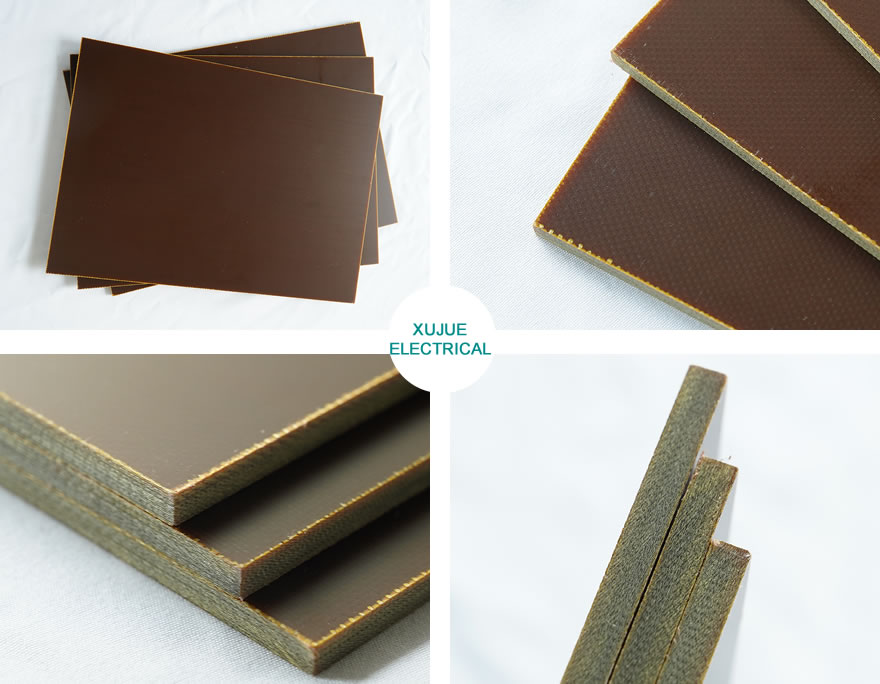
PIGC301 Glass Cloth Laminated Sheets is a high-performance rigid laminated insulation material manufactured by impregnating E-glass fiber cloth with polyimide (PI) resin and hot-pressing under high temperature and pressure. It is classified as a Class C(200℃) insulation material, specifically designed for high-temperature, high-strength, and high-reliability electrical applications.
1. Core Characteristics
Extreme Heat Resistance (Class C Insulation):
Continuous operating temperature ranges from 220°C to 260°C, with even higher short-term tolerance.
Features a very high Glass Transition Temperature (Tg), ensuring it does not soften or significantly lose mechanical strength at elevated temperatures.
Superior Mechanical Strength:
Maintains high flexural and tensile strength at both room and high temperatures.
Excellent dimensional stability with a low coefficient of thermal expansion, making it highly resistant to deformation.
Outstanding Electrical Properties:
Low dielectric constant and low dielectric loss across a wide range of temperatures and frequencies.
Strong arc resistance and high dielectric breakdown voltage (typically >40KV).
Chemical & Environmental Stability:
Exceptional radiation resistance (suitable for the nuclear industry).
Inherently flame retardant (UL94-V0 rated) with low smoke and zero halogen.
Highly resistant to acids, alkalis, and most organic solvents.
2. Typical Applications
Because its performance far exceeds standard epoxy glass sheets (like FR4/G10), it is primarily used in high-precision and high-demand scenarios:
Aerospace & Defense:
Used for inner linings, high-temperature insulation barriers, and radome structural components in missiles and satellites.
Insulation for electronic control systems located near aircraft engines.
Semiconductor & Electronics Industry:
High-Temperature Test Fixtures: Used as carrier boards for chip burn-in testing, which requires enduring long-term thermal cycling.
Wave/Reflow Soldering Pallets: Serves as a fire-resistant support material during PCB soldering processes.
Heavy Power Equipment:
Class H or C Motors: Manufacturing motor slot wedges, spacers, bushings, and structural supports for transformers.
Insulating components for high-voltage switchgear and traction motors (e.g., in high-speed rails and subways).
Nuclear Industry & Research:
Electrical insulation components inside nuclear power plants that require both radiation and heat resistance.
Precision Machining:
CNC-machined into precision insulating bolts, washers, gears, and sealing parts for high-temperature environments.
3. Selection Guide (Comparison with FR4 sheet)
| Property | FR4 (Epoxy Resin) | PIGC301 (Polyimide) |
| Insulation Class | Class B/F (130-155°C) | Class C (220°C+) |
| Thermal Stability | Strength drops significantly at high temps | Maintains high strength at high temps |
| Cost | Lower (General purpose) | Higher (Specialized/High-end) |
| Machinability | Easy | Moderate (High hardness requires specific tools) |
Leave us a message to get quotation and sample!
If you are interested in our products,, please send us a message and we will contact you as soon as we receive it. Email: info@ztaero.com whatsApp: +8616650273778
Releated News
- 10-13 2026How to Choose DDP Insulation Paper for Oil-Immersed Transformers?
- 10-12 2026FR4 Epoxy Fiberglass Sheets for CNC Machining Factories
- 10-10 2026Transformer Pressboard
- 10-09 2026Epoxy Fiberglass Filament-Wound Tubes for Transformer Core Winding Insulation
- 09-28 2026Transformer Kraft Paper vs. Thermally Upgraded Paper
- 09-28 2026Xujue Electrical Exhibits at Data Centre World Singapore 2026