Transformer Diamond Dotted Paper (DDP) Selection & Sourcing Guide
How to select the right Diamond Dotted Paper (DDP) for transformers. Learn technical specifications for thickness (0.05-0.25mm), thermal classes (A/E/F/H ), and resin coverage t...
Selection Guide for Diamond Dotted Paper (DDP) in Transformers
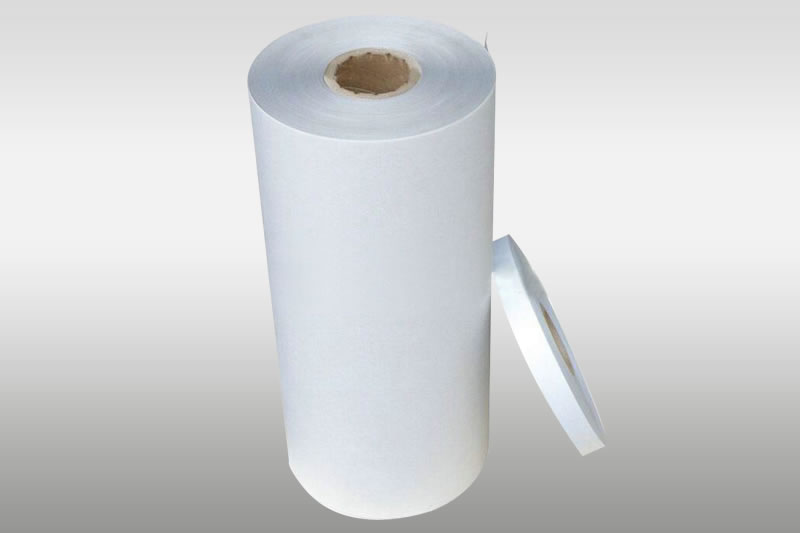
In transformer manufacturing, selecting the right Diamond Dotted Paper (DDP paper) is critical to ensuring the short-circuit mechanical strength of the cured coils and the long-term insulation lifespan of the transformer during operation.
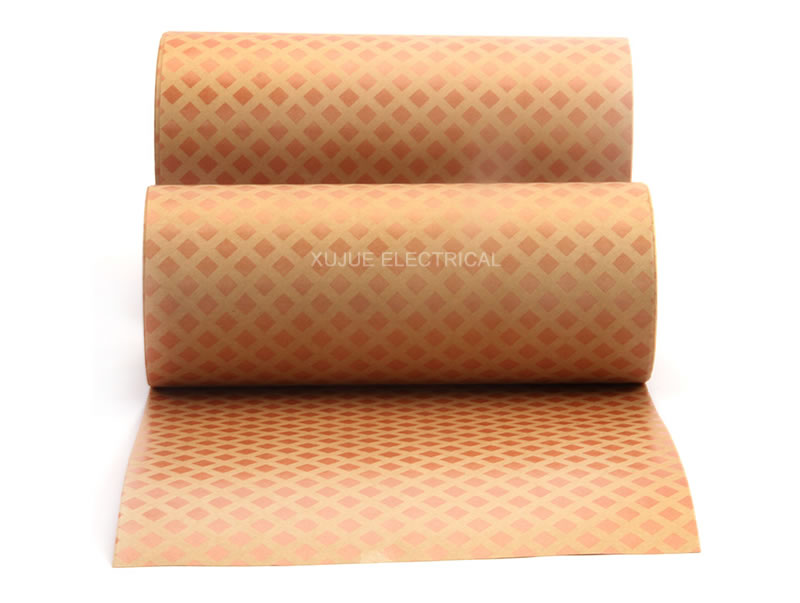
The core selection logic for transformer-grade DDP can be summarized into the following five concrete steps:
1. Identify Transformer “Voltage Class” to Choose the Right【Thickness】
DDP serves both as an insulating medium and as a structural element for padding and securing the windings. Thickness must be selected based on the rated voltage of the winding:
0.05 mm – 0.08 mm (Ultra-Thin Grade): Used for low-voltage foil-wound coils or compact layer/turn insulation in distribution transformers.
0.13 mm – 0.18 mm (Standard Grade): The most prevalent thickness in the industry. It is the primary choice for layer insulation in standard 10kV to 35kV oil-immersed distribution transformers.
0.20 mm – 0.25 mm (Heavy-Duty Grade): Used for large power transformers of 110kV and above, or for inter-segment insulation at the coil ends of standard transformers.
2. Identify Transformer “Operating Temperature” to Choose the Right【Base Paper Material】
Different transformer oils and operating conditions dictate different thermal limits for the insulation paper:
Standard Cable Paper DDP (Class A, 105°C):
oMaterial: 100% unbleached sulfate coniferous wood pulp paper.
oApplication: Conventional mineral oil-immersed distribution transformers (such as S11, S13, S20 series).
Thermally Upgraded Paper DDP (Class E/F, 120°C – 140°C):
oMaterial: Cellulose paper treated with chemical modification (nitrogen/cyano groups).
oApplication: Transformers with high overload requirements, or eco-friendly transformers using high-flashpoint vegetable oils (natural esters).
Aramid Paper DDP (Class H, 180°C+):
oMaterial: Nomex® arramid paper Krempel DPN410 (such as the DuPont 410 series).
oApplication: High-temperature dry-type transformers, traction transformers for locomotives, and wind power transformers.
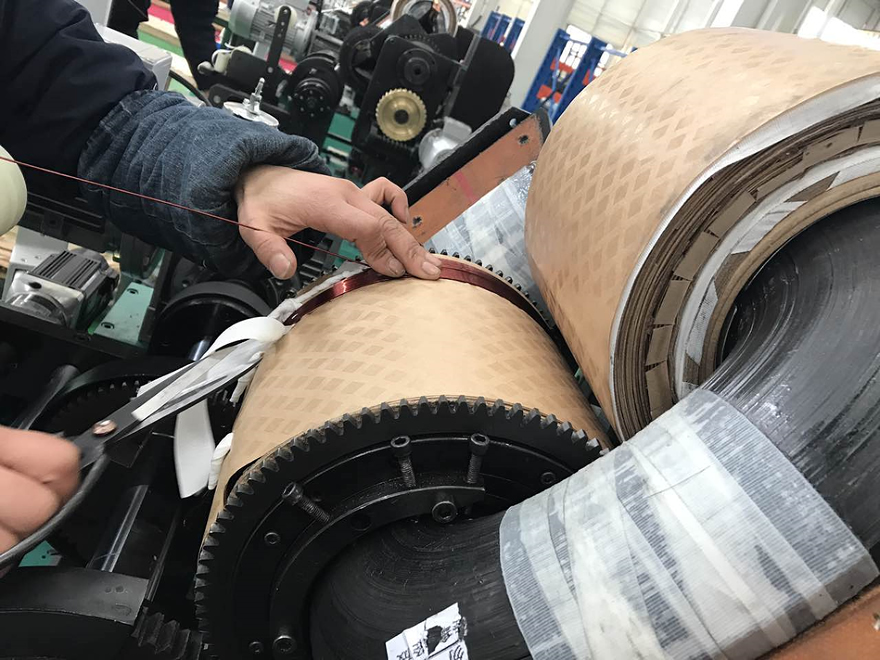
3. Identify Winding “Short-Circuit Design” to Choose【Coating Structure & Coverage】
Once the B-stage epoxy resin dots on the DDP melt and cure, they bond the windings into a rigid, solid block:
Double-Sided Coating: The standard choice. Used for layer insulation inside the coil. It simultaneously bonds the upper and lower conductor layers, drastically improving the winding’s resistance to axial and radial short-circuit electromagnetic forces.
Single-Sided Coating: Used for the innermost or outermost protective layers of the coil, or at specific end sections where rigid bonding to outer insulation components is not required.
Resin Dot Coverage: The procurement standard must strictly control this between 30% and 35%. Excessive coverage blocks oil flow channels, causing localized hot spots during transformer operation, while insufficient coverage leads to inadequate bonding strength
4. Evaluate Your “Coil Drying Process” to Match the【Curing Window】
The resin dots on the DDP are in a B-stage semi-cured state and must be completely cross-linked (C-stage) through the workshop’s baking process:
Leave us a message to get quotation and sample!
If you are interested in our products,, please send us a message and we will contact you as soon as we receive it. Email: info@ztaero.com whatsApp: +8616650273778
Releated News
- 10-13 2026How to Choose DDP Insulation Paper for Oil-Immersed Transformers?
- 10-12 2026FR4 Epoxy Fiberglass Sheets for CNC Machining Factories
- 10-10 2026Transformer Pressboard
- 10-09 2026Epoxy Fiberglass Filament-Wound Tubes for Transformer Core Winding Insulation
- 09-28 2026Transformer Kraft Paper vs. Thermally Upgraded Paper
- 09-28 2026Xujue Electrical Exhibits at Data Centre World Singapore 2026