The Role of Pressboard in the Insulation System of Oil-Immersed Transformers
Pressboard is one of the core solid insulation materials in oil-immersed transformers. Together with transformer oil, it forms the oil–paper composite insulation system, which d...
The Role of Pressboard in Oil-Immersed Transformers
Pressboard is one of the core solid insulation materials in oil-immersed transformers. Together with transformer oil, it forms the oil–paper composite insulation system, which directly affects the electrical safety, mechanical stability, and service life of the transformer. The following explains its role from both the insulation mechanism and practical application perspectives.
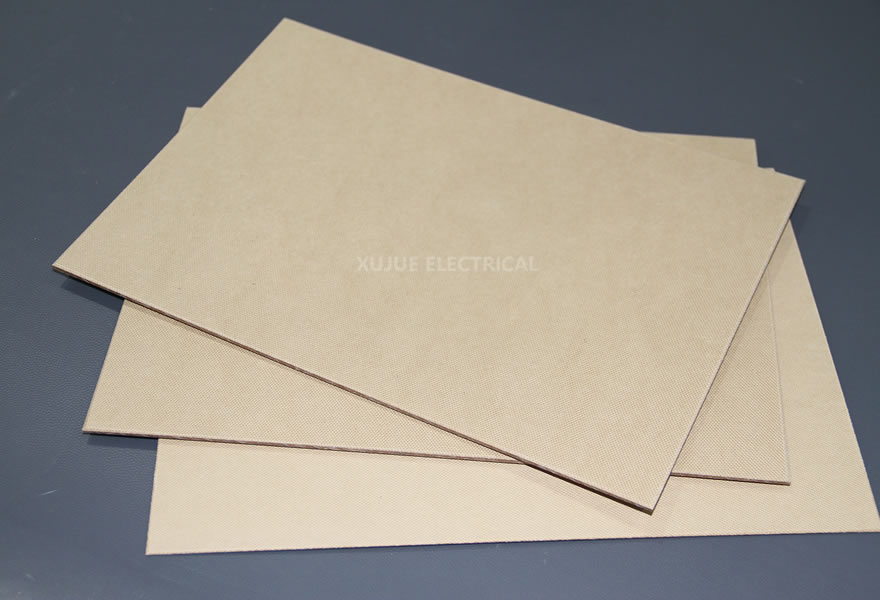
1. Main Functions of Pressboard in Oil-Immersed Transformers
Critical Electrical Insulation Function
Pressboard features high dielectric strength and stable insulation performance. When fully impregnated with oil, it significantly enhances the overall insulation level of the transformer and is mainly used for:
Main insulation between high-voltage and low-voltage windings
Insulation between windings and the core or clamping structures
Reinforced insulation between winding layers and sections
In combination with transformer oil, pressboard effectively suppresses partial discharge and improves withstand voltage capability.
Mechanical Support and Structural Stability
Oil-immersed transformers are subjected to strong electrodynamic forces during operation and short-circuit conditions. Pressboard provides:
Excellent compressive strength and bending resistance
Stable dimensional integrity
Typical applications include:
Winding end supports
Insulating spacers and pressure plates
Oil duct barriers and supporting structures
These components ensure long-term mechanical stability of the windings.
Formation of Oil Ducts and Improved Heat Dissipation
Properly designed pressboard structures help form axial or radial oil ducts, which:
Promote transformer oil circulation
Enhance heat dissipation from windings and the core
Reduce local hot-spot temperatures
This function is particularly important for medium- and large-capacity oil-immersed transformers.
Extended Insulation Service Life
High-purity pressboard offers:
Excellent oil absorption capability
High compatibility with mineral transformer oil
After full oil impregnation, pressboard reduces internal electric field stress and slows insulation aging, making it one of the most critical materials determining transformer service life.
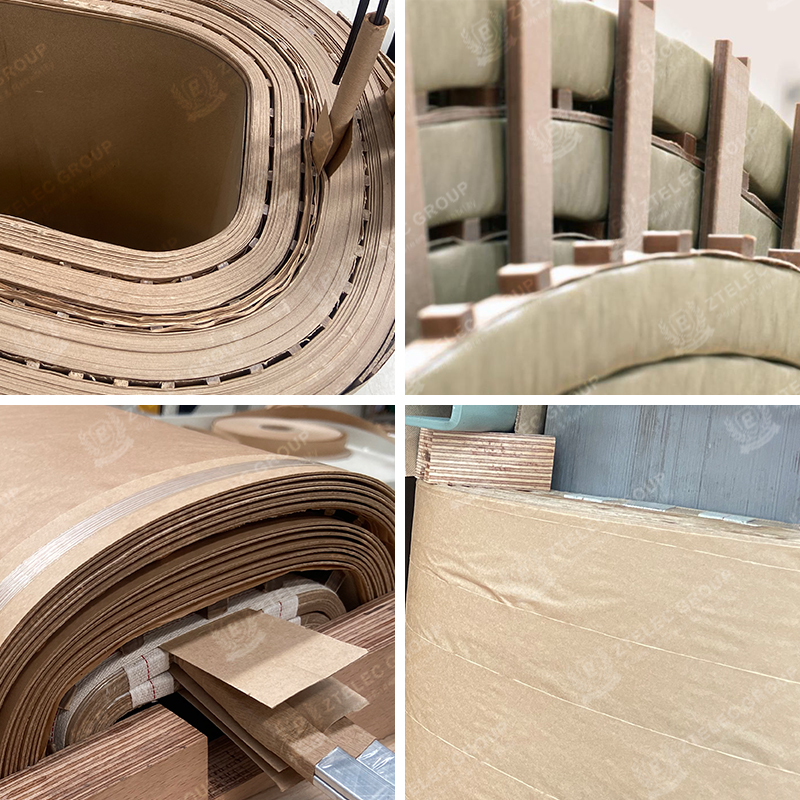
2. Typical Applications of Pressboard in Oil-Immersed Transformers
| Application Area | Function Description |
|---|---|
| Winding end insulation | Prevents electric field concentration |
| Main insulation cylinders | Separation between HV and LV windings |
| Insulating spacers | Mechanical support and oil duct formation |
| Core-to-winding barriers | Prevents creepage and electrical breakdown |
| Lead and clamping insulation | Improves insulation safety margins |
3. Key Selection Criteria for Pressboard in Oil-Immersed Transformers
From a transformer insulation material selection perspective, the following parameters are commonly emphasized:
Thermal class: Typically Class A (105 °C) or upgraded heat-resistant pressboard
Thickness range: 0.5–6.0 mm, depending on structural requirements
Dielectric strength: Must comply with IEC, GB, or ASTM standards
Moisture content and purity: Directly affect insulation aging in oil
Processability: Suitable for punching, hot pressing, and CNC machining
4. Conclusion
Pressboard in oil-immersed transformers not only serves as an electrical insulation material but also provides mechanical support and forms heat dissipation channels. It is an irreplaceable component of the oil–paper insulation system. Proper material selection and strict quality control are essential to ensure long-term safe and reliable transformer operation.
Leave us a message to get quotation and sample!
If you are interested in our products,, please send us a message and we will contact you as soon as we receive it. Email: info@ztaero.com whatsApp: +8616650273778
Releated News
- 10-13 2026How to Choose DDP Insulation Paper for Oil-Immersed Transformers?
- 10-12 2026FR4 Epoxy Fiberglass Sheets for CNC Machining Factories
- 10-10 2026Transformer Pressboard
- 10-09 2026Epoxy Fiberglass Filament-Wound Tubes for Transformer Core Winding Insulation
- 09-28 2026Transformer Kraft Paper vs. Thermally Upgraded Paper
- 09-28 2026Xujue Electrical Exhibits at Data Centre World Singapore 2026