Role of DDP Insulation Paper in Transformer Layer Insulation
Application and Selection of DDP Insulation Paper for Transformer Layer Insulation Thermal Class:105°C (Class A), 130°C (Class E), 155°C (Class F), 180°C (Class H)
Application and Selection of DDP Insulation Paper for Transformer Layer Insulation
1. Introduction to DDP Insulation Paper
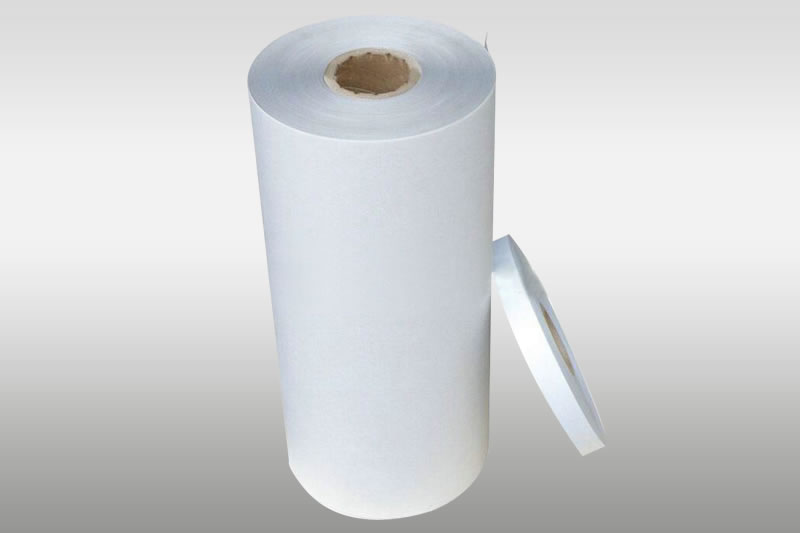
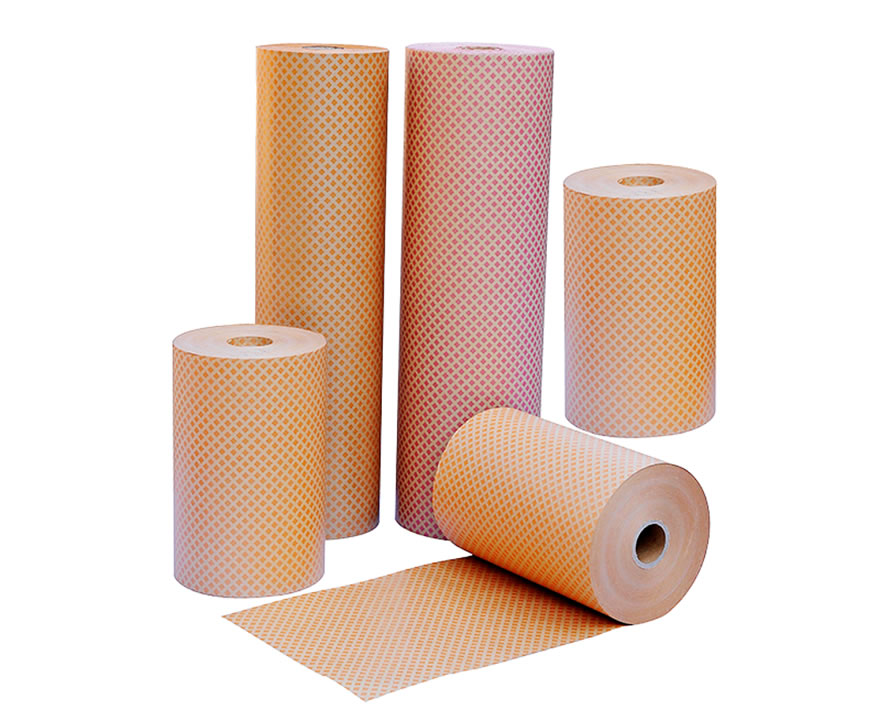
DDP insulation paper(diamond dotted paper) is a high-performance electrical paper treated with double dipping, usually impregnated with phenolic resin or other high-polymer insulating resins. It combines excellent electrical insulation, mechanical strength, and heat resistance, making it a key material for transformer layer insulation.
Key Features:
High dielectric strength: Can withstand partial discharges between high-voltage windings, preventing breakdown.
Excellent heat resistance: Common thermal classes include 105°C, 130°C, and 155°C, suitable for various transformer operating environments.
Good mechanical properties: Resistant to tearing or deformation during winding and stacking.
High dimensional stability: Maintains layer position during long-term operation, preventing winding displacement.
2. Role of DDP in Transformer Layer Insulation
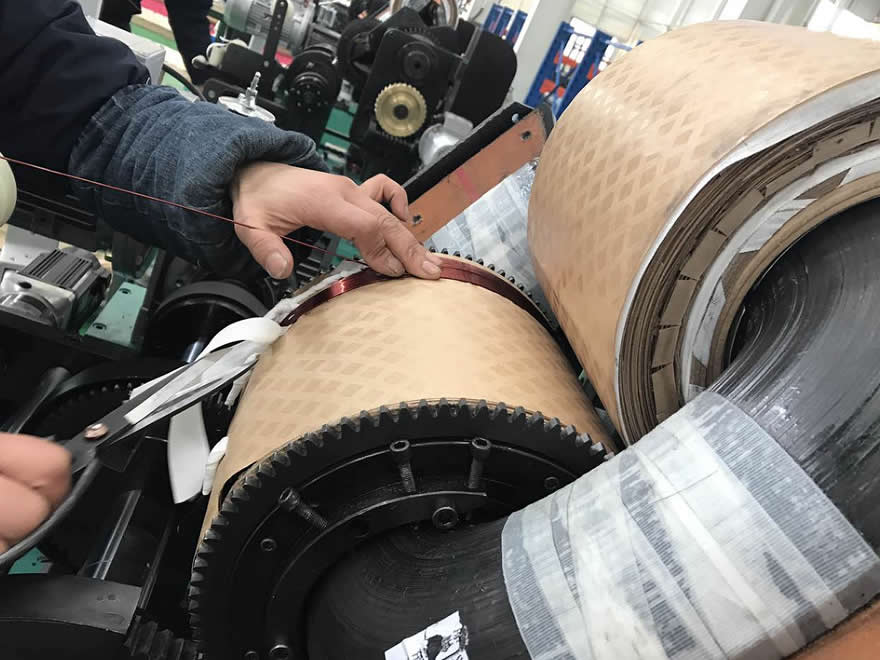
In both dry-type and oil-immersed transformers, windings are usually composed of multiple layers of coils. Reliable insulation is required between each layer, and DDP insulation paper is used in this critical position.
Specific Functions:
Prevent breakdown and partial discharge: Provides a safe barrier between high-voltage and low-voltage windings.
Enhance short-circuit resistance: Can withstand instantaneous high-current impacts during faults or overloads.
Improve heat conduction: Maintains structural integrity at high temperatures, aiding winding heat dissipation.
Extend transformer life: Stable electrical and mechanical performance reduces the risk of winding aging.
3. Typical Applications
Dry-type transformers: Layer insulation for low-voltage and medium-voltage windings, especially in cast-resin dry-type transformers.
Oil-immersed transformers: Layer insulation between high-voltage and low-voltage windings, improving overall reliability.
High-temperature and high-load environments: Power stations, industrial plants, or situations with frequent load changes.
4. DDP Insulation Paper Selection Guide
Selection should consider transformer rated voltage, load, temperature rise, and operating environment.
Main Considerations:
Thermal Class:
105°C (Class A), 130°C (Class E), 155°C (Class F), 180°C (Class H)
Choose according to operating temperature and service life requirements.
Thickness and Size:
Common thickness: 0.05–0.5 mm
Select based on winding layer spacing and structural compactness.
Mechanical Strength and Flexibility:
Paper must resist tearing and wrinkling during winding or stacking.
Chemical and Oil Compatibility:
For oil-immersed transformers, ensure compatibility with transformer oil or impregnating resin.
Electrical Properties:
Dielectric strength, breakdown voltage, and partial discharge rating must meet design requirements.
5. Handling and Storage Recommendations
Processing: Avoid excessive stretching or scratches during winding and stacking.
Storage: Keep dry and away from sunlight or humidity to prevent moisture absorption that reduces insulation performance.
Installation: Ensure layers are smooth and wrinkle-free for uniform insulation thickness.
Conclusion
DDP insulation paper plays a critical role in transformer layer insulation. Proper selection and installation can significantly improve transformer reliability and service life. Key selection factors include thermal class, thickness, mechanical strength, and chemical compatibility to ensure stable performance under various operating conditions.
Leave us a message to get quotation and sample!
If you are interested in our products,, please send us a message and we will contact you as soon as we receive it. Email: info@ztaero.com whatsApp: +8616650273778
Releated News
- 10-20 2026FR4 Insulation Barriers: Applications in Electrical Equipment
- 10-16 2026Epoxy Fiberglass Laminates in Europe: Trends & Applications
- 10-13 2026How to Choose DDP Insulation Paper for Oil-Immersed Transformers?
- 10-12 2026FR4 Epoxy Fiberglass Sheets for CNC Machining Factories
- 10-10 2026Transformer Pressboard
- 10-09 2026Epoxy Fiberglass Filament-Wound Tubes for Transformer Core Winding Insulation