FR4 Epoxy Laminates in Power Systems: Key Roles & Engineering Benefits
The Role and Engineering Value of FR4 Epoxy Glass Fiber […]
The Role and Engineering Value of FR4 Epoxy Glass Fiber Laminates in Power Systems
In modern power systems, equipment is continuously evolving toward higher voltage levels, higher power density, compact design, and long-term reliable operation. These trends place stringent demands on insulation materials—not only must they provide stable electrical insulation, but they must also serve as load-bearing structural components.
Against this background, FR4 epoxy glass fiber laminate has become one of the most widely used composite insulation–structural materials in power systems.
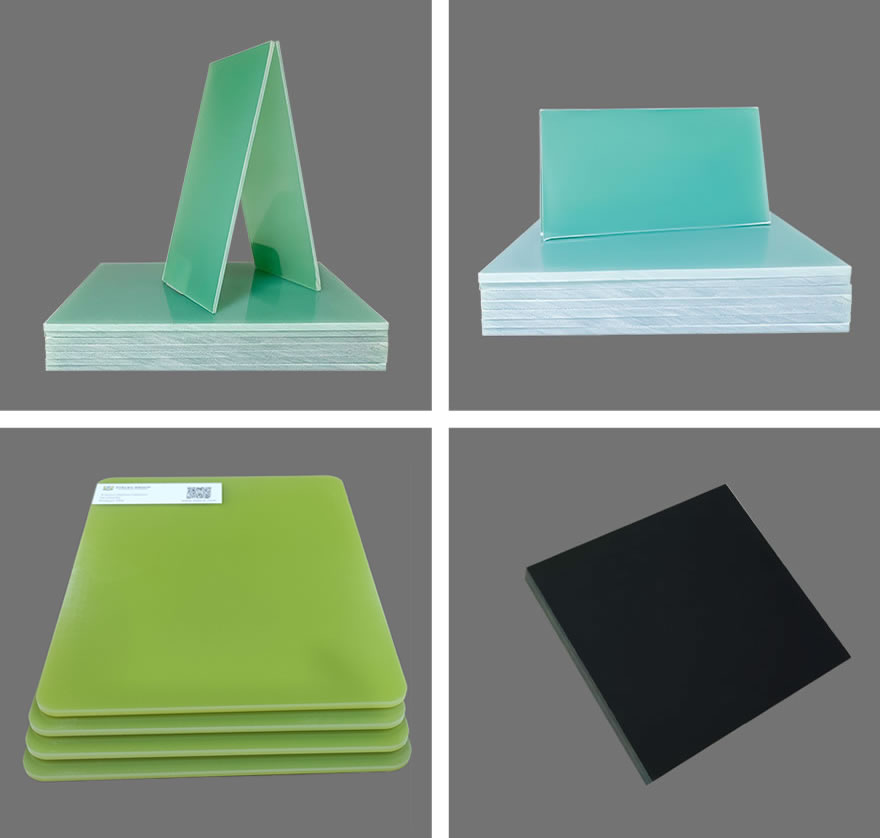
I. The Fundamental Role of FR4 in Power Systems: More Than “Just an Insulation Board”
FR4 is often simply regarded as an insulation material. However, in real power equipment applications, its true role is far more comprehensive:FR4 functions simultaneously as an electrical insulation medium, a mechanical support structure, and a long-term operational reliability material.These three functions are inseparable in power system design.
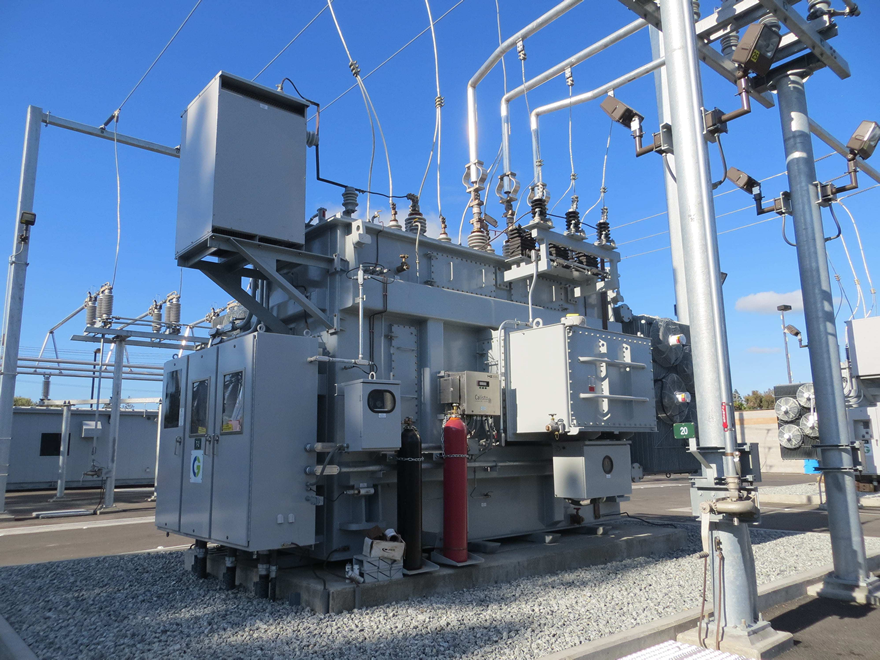
II. Electrical Insulation Function: Electric Field Control and System Safety
Isolation of Live Conductors and Prevention of Breakdown
In transformers, switchgear, and power distribution equipment, conductors at different potentials are often arranged in close proximity.
Thanks to its high volume resistivity and dielectric strength, FR4 effectively isolates high- and low-voltage conductors within limited space, preventing failures caused by air breakdown, surface tracking, or flashover.
Stabilizing Electric Field Distribution and Reducing Partial Discharge
With stable dielectric properties and a dense internal structure, FR4 acts as an electric field grading and buffering medium:
Reduces electric field concentration at sharp edges
Lowers the risk of partial discharge
Slows insulation aging
This function is particularly critical in medium- and high-voltage power equipment.
III. Mechanical Support Function: The “Skeleton” of the Insulation System
Withstanding Electrodynamic and Thermal Stresses
During operation, power equipment is subjected to:
Electrodynamic forces generated by short-circuit currents
Thermal expansion and contraction caused by load fluctuations
FR4 combines high mechanical strength with excellent dimensional stability, enabling it to:
Securely support windings, busbars, and power modules
Prevent structural displacement that could compromise insulation clearances
Integration of Insulation and Structure
Compared with traditional designs that rely on metal structures plus additional insulation layers, FR4 allows:
Structural components to be inherently insulating
Reduced assembly complexity
Improved overall system reliability
This is a key reason why FR4 is extensively used in switchgear and power electronic equipment.
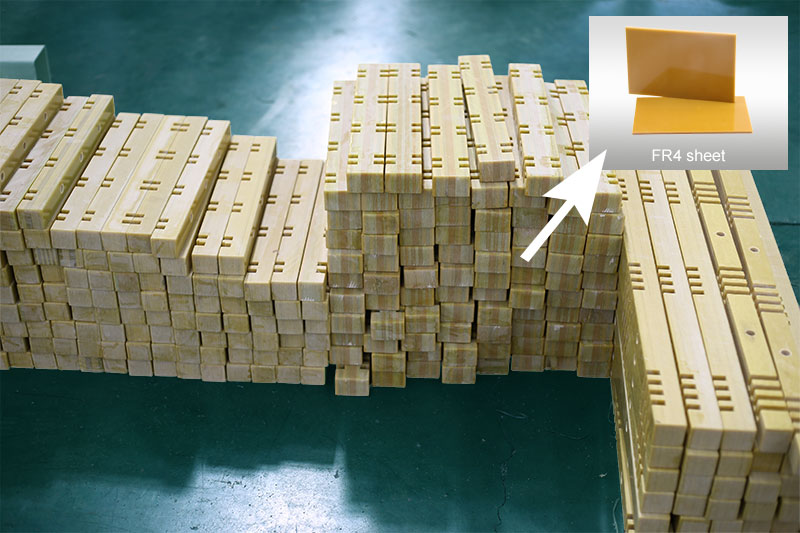
IV. Thermal Resistance and Long-Term Operational Stability
Adaptation to Continuous Thermal Stress
Power equipment typically operates 24/7 over long service lifetimes rather than in intermittent duty cycles.
FR4 provides:
F-class (155°C) thermal endurance or higher
High-Tg FR4 grades that retain mechanical and electrical stability at elevated temperatures
2. Resistance to Aging and Electric Arc Damage
During switching operations, overloads, or fault conditions:
FR4 exhibits good arc resistance
Flame retardancy can reach UL94 V-0
These properties are directly related to operational safety and fault containment.
V. How FR4 Functions in Typical Power Equipment
In Transformer Systems
FR4 is far more than a simple spacer. It plays a critical role in:
Maintaining winding geometry
Controlling insulation distances
Sharing mechanical stresses
Enhancing overall insulation system reliability
In dry-type transformers, FR4 is one of the core structural insulation materials.
In Switchgear and Distribution Cabinets
In these systems, FR4 is used to:
Provide phase-to-phase and phase-to-ground insulation
Support and insulate busbar systems
Act as a protective barrier for personnel safety
Its importance is especially evident in compact and modular switchgear designs.
In Renewable Energy and Power Electronics
In inverters, energy storage systems, and photovoltaic installations, FR4:
Supports high-power electronic modules
Electrically isolates high-voltage DC and AC circuits
Ensures both mechanical stability and electrical safety
VI. Performance Requirements for FR4 in Power Systems Are More Than “Basic Insulation”
In power system applications, the concern is not merely whether FR4 can insulate, but whether it can:
Remain stable over long periods
Perform reliably under humidity, vibration, and electrical stress
Exhibit predictable and controlled aging behavior
Therefore, power-grade FR4 typically requires:
Low moisture absorption
High CTI (Comparative Tracking Index)
High glass transition temperature (Tg)
Flame retardancy and arc resistance
VII. Engineering Positioning of FR4 Compared with Other Insulation Materials
In power systems, insulation materials are not substitutes but complementary components with clearly defined roles:
FR4: Integrated insulation and structural support
G10 / G11: Higher mechanical strength or higher temperature resistance
Insulation paper and flexible laminates: Winding and interlayer insulation
Epoxy molded components: Complex, customized insulation structures
FR4 represents the best balance of performance, manufacturability, and cost efficiency.
VIII. An Engineer’s One-Sentence Summary
The value of FR4 in power systems lies not simply in its ability to insulate, but in its capability to reliably combine insulation, structure, and safety throughout long-term operation.
Leave us a message to get quotation and sample!
If you are interested in our products,, please send us a message and we will contact you as soon as we receive it. Email: info@ztaero.com whatsApp: +8616650273778
Releated News
- 10-13 2026How to Choose DDP Insulation Paper for Oil-Immersed Transformers?
- 10-12 2026FR4 Epoxy Fiberglass Sheets for CNC Machining Factories
- 10-10 2026Transformer Pressboard
- 10-09 2026Epoxy Fiberglass Filament-Wound Tubes for Transformer Core Winding Insulation
- 09-28 2026Transformer Kraft Paper vs. Thermally Upgraded Paper
- 09-28 2026Xujue Electrical Exhibits at Data Centre World Singapore 2026