How to select Motor insulation paper
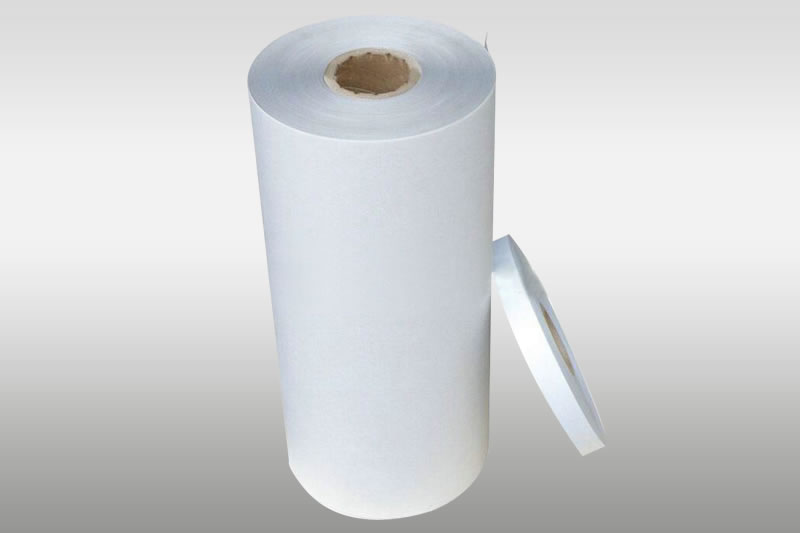
Motor insulation paper(NMN/NHN/DMD insulation paper) plays a dual pivotal role in electric motors as both an electrical barrier and a mechanical buffer.
Motor insulation paper plays a dual pivotal role in electric motors as both an electrical barrier and a mechanical buffer:
It provides rigorous dielectric isolation between energized coils and the core/housing (ground insulation), as well as between different phase windings (interphase insulation), completely preventing current leakage and short circuits. Concurrently, it withstands abrasive scraping from sharp slot edges during the winding insertion process and absorbs alternating electromagnetic vibrations during motor operation. Furthermore, serving as a resin-absorbent matrix integrated with insulating varnish, it effectively blocks the ingress of moisture and oil contaminants while facilitating thermal dissipation, serving as a critical foundational material that ensures the long-term safe and stable operation of the motor.
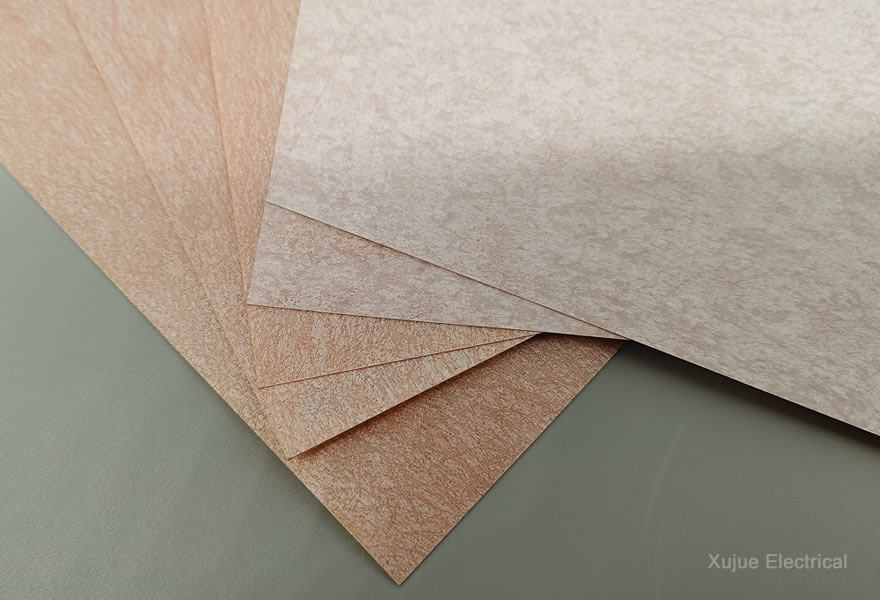
How to select Motor insulation paper
1.Match by Thermal Class
The material’s maximum continuous operating temperature must exceed the hottest spot inside the motor:
Class B (130°C): Standard for small to medium, everyday AC motors.
Class E (120°C): Legacy low-voltage AC/DC motors (rarely used in new designs).
Class F (155°C): The current mainstream industry standard for industrial motors.
Class H (180°C): High-performance, heavy-duty, or variable-frequency drive (VFD) motors.
2.Match Thickness by Power & Voltage
Insulation thickness is directly correlated with dielectric requirements, motor size, and structural constraints:
Power below 10 kW: Generally uses 0.17 mm thickness.
Power above 10 kW: Recommended 0.21 mm thickness.
Frame Size (Center Height) 80–112 mm: Recommended 0.25 mm thickness.
High Voltage (>1000V): Requires 0.30 to 0.50 mm or greater to handle electrical stress.
Rotor Slot Insulation: Must ≥0.15 mm to prevent physical tearing.
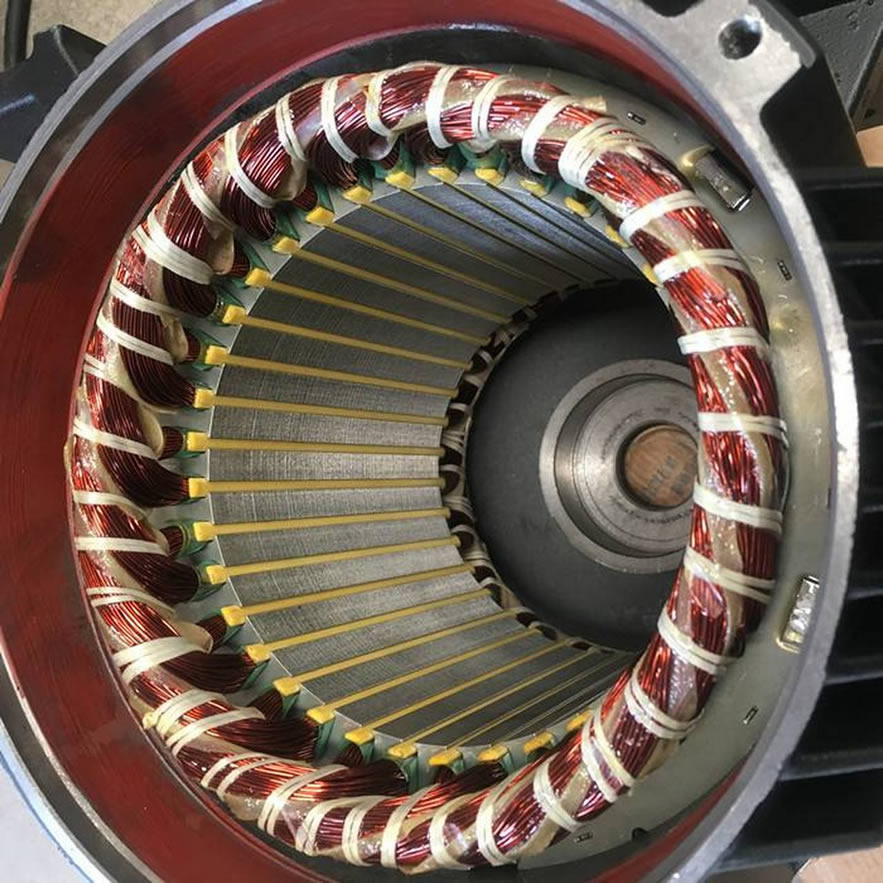
3.Compare Common Composite Materials
Modern motor design relies heavily on multi-layer composite laminates to combine the dielectric strengths of films with the physical toughness of fibers.
| Material Abbreviation | Layer Structure Composition | Thermal Class | Core Application Edge |
| DMD | Polyester Non-woven Cloth + Polyester Film | Class B / F | High mechanical strength, highly cost-effective. |
| NMN | Nomex Aramid Paper + Polyester Film | Class F / H | Excellent hydrolysis resistance, strong tear resistance. |
| NHN | Nomex Aramid Paper + Polyimide Film | Class H | Ultra-high dielectric properties, extreme heat resistance. |
| Fishpaper | Chemically Treated Vulcanized Fiber | Class E and below | Excellent for stamping/punching, used in low-voltage phase isolation. |
4. Account for Stress and Environment
Frequent Start/Stop: Generates severe thermomechanical stress. Check test specifications like IEC 60034-18-41 or GB/T 17948.6 for dynamic endurance testing.
Aging Margin: For severe Class F or H duty cycles, add a 20% to 30% thickness buffer to combat long-term material degradation.
Edge & Phase Isolation: Anchor edges and cross-overs with high-temperature insulation tapes. Flame-retardant PET or PI (Kapton) tapes are standard choices.
Leave us a message to get quotation and sample!
If you are interested in our products,, please send us a message and we will contact you as soon as we receive it. Email: info@ztaero.com whatsApp: +8616650273778
Releated News
- 09-28 2026Transformer Kraft Paper vs. Thermally Upgraded Paper
- 09-28 2026Xujue Electrical Exhibits at Data Centre World Singapore 2026
- 09-22 2026Xujue Electrical Exhibits at Enlit Asia 2026
- 09-22 2026High Voltage Motor Insulation Materials
- 09-20 2026Motor Insulation Materials: B, F, H & EV Motor Guide
- 09-17 2026Oil-Immersed Transformer Winding Insulation Paper