Applications of Insulation Materials in Traction Transformers
Applications of Insulation Materials in Traction Transformers: DDP (Diamond Dotted Paper) Electrical kraft paper / transformer insulation paper Crepe paper / embossed insulation...
Applications of Insulation Materials in Traction Transformers: Key Components, Material Types, and Performance Requirements
Traction transformers are one of the most critical components in high-speed trains, electric locomotives, and urban rail transit systems. They step down the high-voltage overhead line power (such as AC 25 kV / 50 Hz) and supply stable electrical energy to traction motors and auxiliary systems. Operating under high temperature, strong vibration, heavy load, and high electrical stress, traction transformers require highly reliable insulation systems to ensure long-term safety and durability.
This article provides a detailed overview of the insulation structure, main application areas, commonly used materials, and performance requirements in traction transformers.
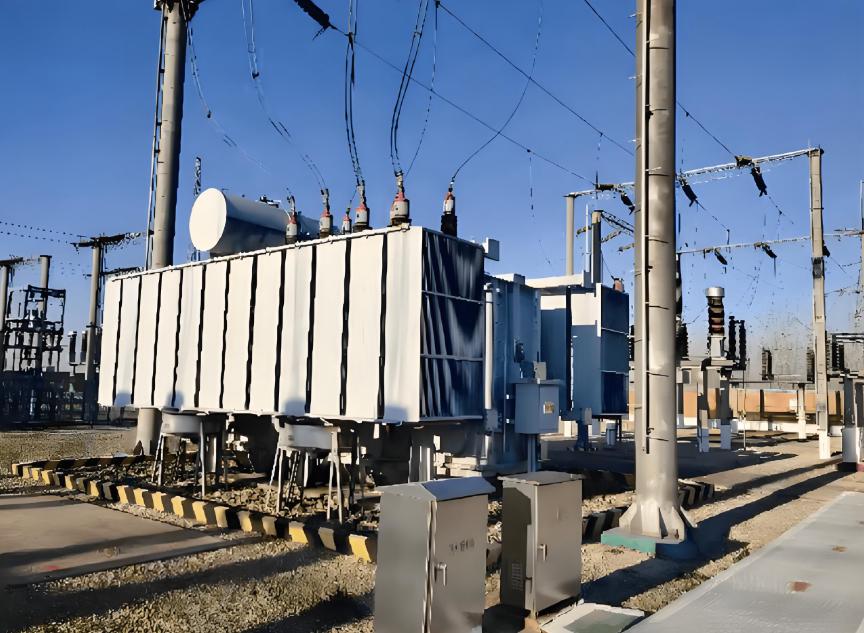
1. Main Insulation Areas in Traction Transformers
The insulation system of a traction transformer consists of main insulation, turn insulation, layer insulation, inter-coil insulation, solid structure insulation, and oil-paper composite insulation. Key insulated areas include:
High-voltage coil to low-voltage coil insulation
Prevents electrical breakdown between different windings.
Turn and layer insulation
Maintains insulation within the same winding.
Core-to-coil insulation
Ensures electrical separation between windings and the magnetic core.
Lead insulation and connection insulation
Improves reliability at high-voltage terminals.
Solid structural insulation components
Support, isolate, and protect mechanical and electrical parts.
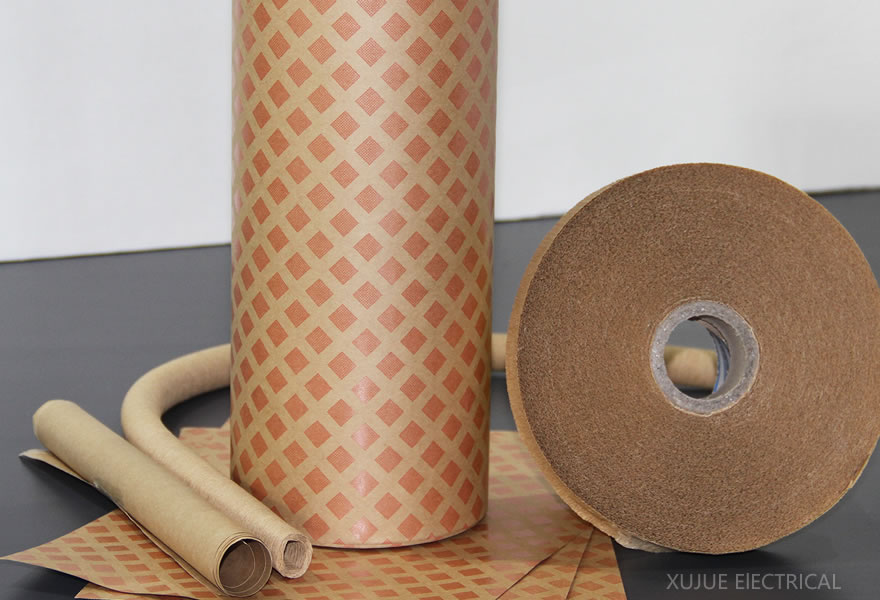
2. Common Insulation Materials Used in Traction Transformers
Main Insulation (HV Main Insulation)
Most traction transformers use oil-paper composite insulation, known for its high electrical strength and aging resistance.
Common materials:
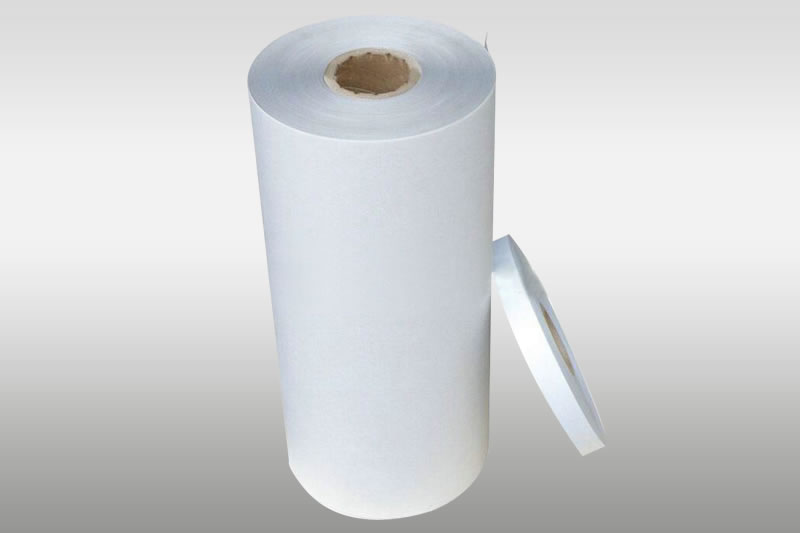
DDP (Diamond Dotted Paper)
Electrical kraft paper / transformer insulation paper
Crepe paper / embossed insulation paper
Aramid paper (Nomex 410/464)
High-voltage cable paper
Features:
Excellent dielectric strength
Oil absorption creates a dense insulation structure
Strong resistance to impulse voltage
DDP adhesive dots provide secure bonding under heat, preventing winding loosening under vibration
DDP is widely used because it forms bonding points after hot pressing, improving mechanical stability under high vibration.
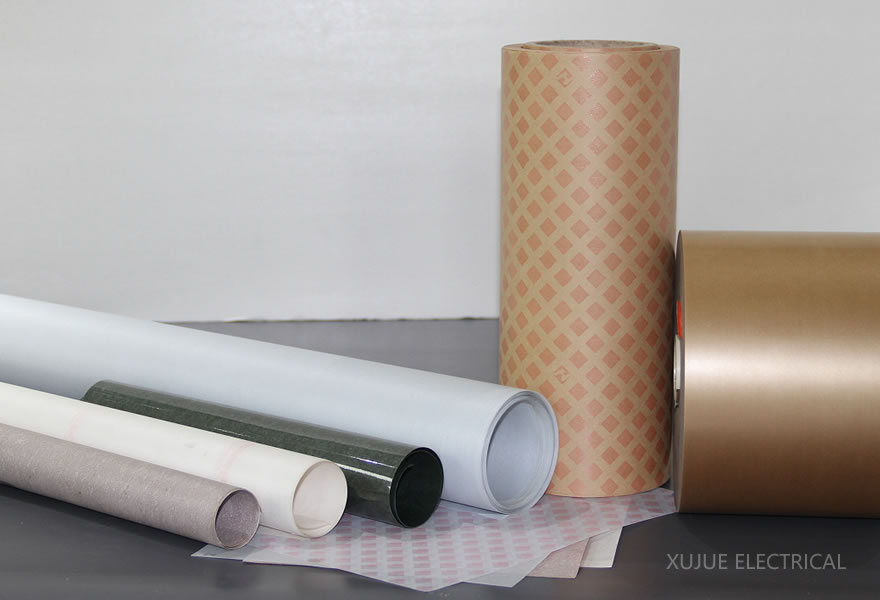
Winding Insulation (Turn & Layer Insulation)
Traction transformer windings face strong current, high temperatures, and long-term thermal cycling.
Common materials:
DMD (Polyester non-woven + PET film + Polyester non-woven)
NMN (Nomex + PET + Nomex)
NHN (Nomex + PI film + Nomex)
PI insulation tape
PET insulation film
Aramid paper wrapping
Advantages:
High mechanical strength
Flexible and easy to wind
Suitable for Class F (155°C) and Class H (180°C) systems
Among them:
NMN → widely used in Class F
NHN → ideal for Class H high-temperature insulation
DMD → cost-effective for layer insulation
End Insulation & Lead Insulation
End sections experience the strongest electric field concentration and voltage gradient.
Common materials:
Epoxy glass cloth laminated sheets (FR4, G10, G11)
Epoxy molded insulation parts
Fiberglass sleeving / silicone rubber sleeving
Corona-resistant paper
FR4/G10/G11 components are widely used as end barriers and structural supports due to their mechanical strength and excellent dielectric properties.
Solid Insulation Structural Components
These components provide mechanical support and maintain insulation integrity.
Common materials:
Epoxy glass fiber boards (FR4 / G10 / G11)
Epoxy rods and tubes
Laminated wood insulation boards
Pressboard (Transformer board)
BMC/SMC molded parts
Functions:
Structural support
Electrical isolation
Resistance to mechanical stress and short-circuit force
G10/G11 are often used in traction transformers due to high vibration resistance.
Oil-Immersed Insulation System
Most traction transformers are oil-immersed types.
Materials include:
Mineral insulating oil
Synthetic insulating oil
Natural ester / biodegradable insulating oil
Oil-paper insulation (DDP, kraft paper, pressboard)
Features:
High dielectric strength
Excellent thermal stability
Strong partial-discharge resistance
Improves winding cooling efficiency
3. Key Performance Requirements for Insulation Materials in Traction Transformers
Traction transformers operate in harsh environments and must meet more stringent requirements than conventional power transformers.
High Thermal Resistance (Class F / H)
Ability to withstand 155–180°C under long-term operation.
High Dielectric Strength
To endure high impulse voltage and strong electromagnetic stress.
Vibration and Fatigue Resistance
Essential due to rail vehicle vibration at 250–350 km/h.
Moisture and Aging Resistance
Required for coastal, rainy, humid, and heavily polluted environments.
Dimensional Stability
FR4/G10/G11 parts must not deform under heat and mechanical loads.
Fire Safety Compliance
Must meet EN45545 railway fire and smoke safety standards.
4. Summary Table: Insulation Materials & Applications in Traction Transformers
| Material | Application Position | Key Features |
|---|---|---|
| DDP insulation paper | Main insulation, interlayer insulation | Strong bonding, oil-compatible, high dielectric strength |
| NMN / NHN composites | Layer insulation, coil wrapping | Flexible, high-temperature rated, excellent dielectric strength |
| DMD insulation | Layer insulation | Cost-efficient, good thermal class |
| Nomex aramid paper | Main insulation, end insulation | Flame-resistant, high temperature, long aging life |
| FR4 / G10 / G11 epoxy boards | End barriers, supporting parts | High strength, heat resistant, flame retardant |
| Epoxy rods & tubes | Structural supports | Strong rigidity, good insulation |
| Silicone & fiberglass sleeving | Lead insulation | High temperature and abrasion resistance |
| Insulating oil + pressboard | Oil-paper system | Stable, high dielectric and cooling performance |
5. Conclusion
Insulation materials play a crucial role in ensuring the safety and long-term reliability of traction transformers. As modern rail systems continue to evolve toward higher speeds, higher power density, and lighter weight, traction transformer insulation materials will increasingly require:
Higher dielectric strength
Better thermal endurance (Class H and beyond)
Improved vibration and aging resistance
Lightweight and environmentally friendly composites
Stronger resistance to partial discharge and corona
6. Electrical insulation material manufacturers
XUJUE ELECTRICAL is a professional manufacturer of high-quality electrical insulation materials, integrating the research and development, production and sales of electrical and electrical insulation materials. It has more than 65 years of manufacturing experience. The production capacity and market share of insulation materials are ranked top three in the industry, and special insulation materials are ranked first. Products are exported to Europe, America, Southeast Asia and other countries and regions.
If you need to know more about transformer insulation materials product information and quotations, please contact us, we can provide you with free shipping samples for your testing
Leave us a message to get quotation and sample!
If you are interested in our products,, please send us a message and we will contact you as soon as we receive it. Email: info@ztaero.com whatsApp: +8616650273778
Releated News
- 10-10 2026Transformer Pressboard
- 10-09 2026Epoxy Fiberglass Filament-Wound Tubes for Transformer Core Winding Insulation
- 09-28 2026Transformer Kraft Paper vs. Thermally Upgraded Paper
- 09-28 2026Xujue Electrical Exhibits at Data Centre World Singapore 2026
- 09-22 2026Xujue Electrical Exhibits at Enlit Asia 2026
- 09-22 2026High Voltage Motor Insulation Materials